

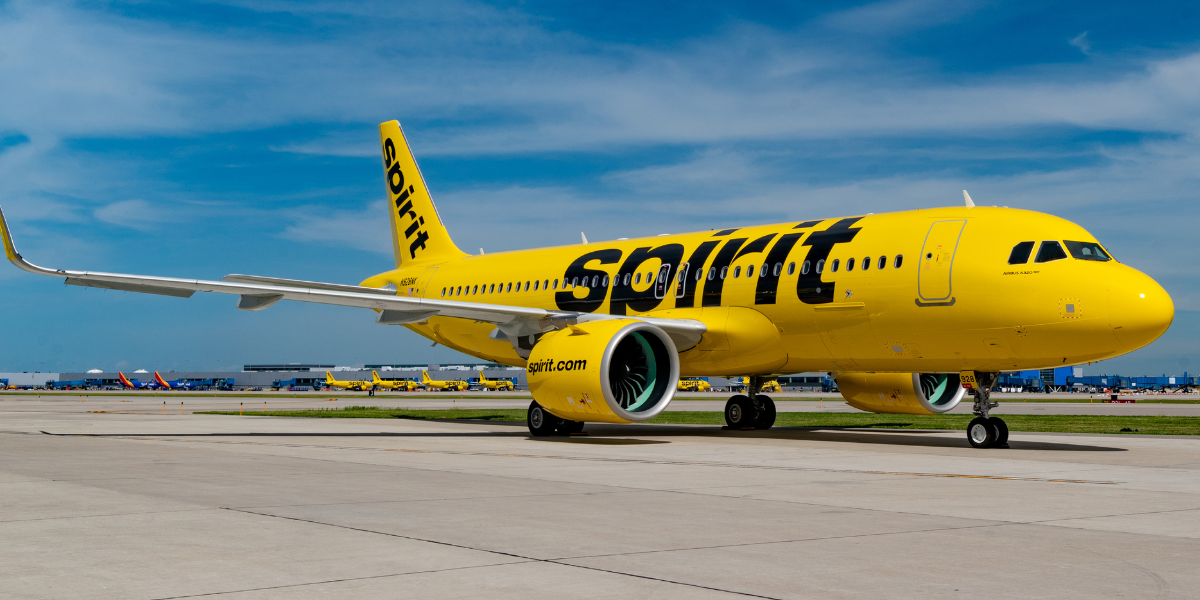
The sudden shutdown of Spirit Airlines has sent shockwaves through the travel industry, leaving thousands of passengers scrambling for alternatives. The ultra-low-cost carrier confirmed on May 2 that it has ceased operations with immediate effect, citing financial strain driven largely by a sharp rise in fuel costs and ongoing liquidity challenges. The move comes even as the airline was attempting to navigate a restructuring plan earlier this year.
Why Did Spirit Airlines Shut Down?
In an official statement, CEO Dave Davis said the airline was unable to secure the additional funding required to sustain operations, forcing it to pursue an orderly wind-down. The development marks a significant disruption in the US aviation market, particularly for budget travellers who relied heavily on Spirit’s low fares across domestic and short-haul routes.
Rescue Fares Step In
In response to the sudden disruption, major US carriers, including American Airlines, JetBlue Airways, and United Airlines, have introduced so-called “rescue fares.” These are discounted, short-notice tickets designed to help stranded passengers reach their destinations without paying last-minute surge prices.
While these fares are not as low as Spirit’s typical pricing, they offer some relief in an otherwise volatile situation. Availability, however, is limited and varies by route, meaning travellers are advised to act quickly and remain flexible with timings and airports.
Also Read: When Airlines Misplace Your Bags: Know Your Rights And Next Steps
What Happens To Existing Bookings
Passengers who booked directly with Spirit using credit or debit cards will receive automatic refunds to their original payment method. For those who made bookings through third-party agents or online travel platforms, the process may take longer, and travellers are advised to contact their booking provider directly.
Refunds for bookings made using vouchers, credits, or loyalty points under the airline’s Free Spirit programme are still being worked out as part of the broader bankruptcy proceedings. This uncertainty has left frequent flyers waiting for clarity on how much they can recover.
Wider Impact On Travel
Spirit’s shutdown is expected to have ripple effects across the aviation sector. As one of the largest low-cost carriers in the US, its exit reduces capacity in the budget segment, which could lead to higher fares in the short term, especially on popular routes. Analysts also note that increased demand shifting to full-service airlines may put additional pressure on pricing and seat availability during peak travel periods.
Also Read: France Scraps Airport Transit Visa For Indian Travelers
For Indian travelers planning trips to or within the US, this development could mean fewer cheap domestic connections and slightly higher travel costs. Those with upcoming itineraries are advised to recheck bookings, monitor airline announcements, and consider travel insurance claims where applicable.
What Travelers Should Do Now
Travelers affected by the shutdown should first confirm their refund status, then immediately explore alternative bookings through major airlines offering rescue fares. Keeping travel dates flexible, setting fare alerts, and checking multiple airports can help secure better deals during this transition.
While the situation remains fluid, the swift response from other airlines has helped cushion the immediate impact. For now, staying informed and acting quickly will be key to navigating the disruption smoothly.