
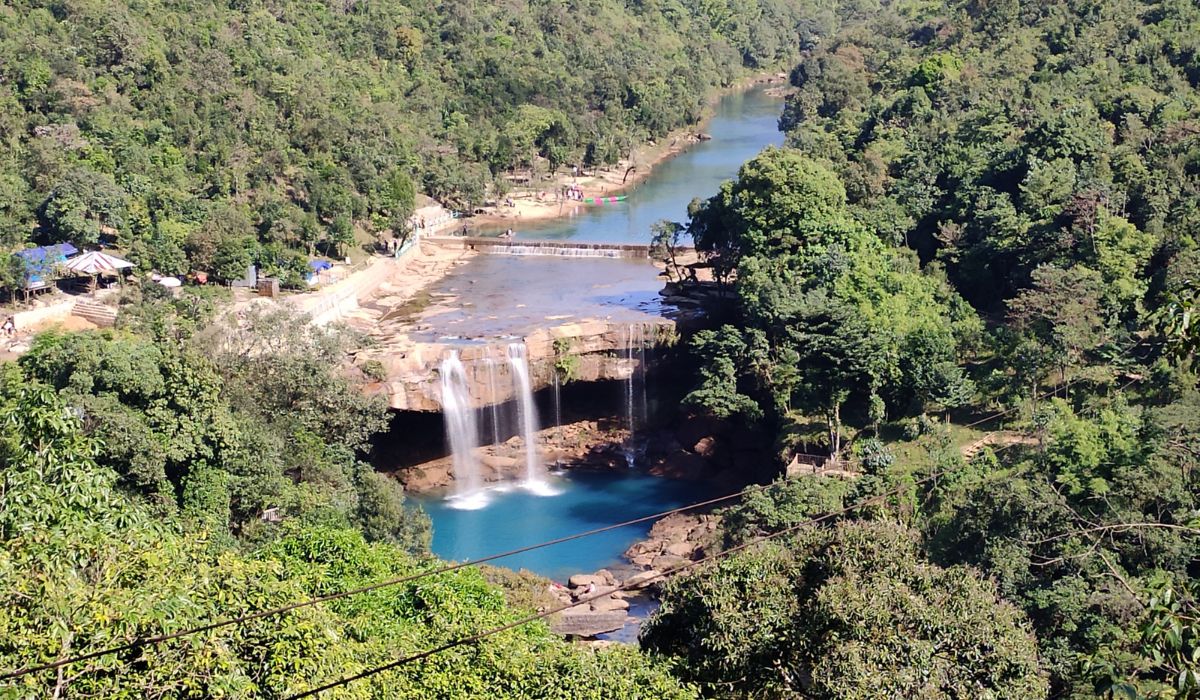
Northeast India during the monsoon is a visual masterpiece; think roaring waterfalls, mist-covered valleys, and vibrant green landscapes. But traveling here between June and September requires balancing wanderlust with absolute caution. The monsoon season has hit the region with significant intensity. Current India Meteorological Department (IMD) data shows widespread, heavy rainfall, particularly across hilly terrains. Such weather can lead to localized flooding, landslides, and transport disruptions depending on local conditions. Is it safe to travel to the Northeast right now? The short answer is: It depends entirely on which state you visit and your tolerance for sudden itinerary changes. This unstumbled guide breaks down current risk zones, logistical challenges, and safe alternatives for travelers.
Is Northeast India Safe In Monsoon? Where To Go And Where Not To
Red Zones: Avoid Traveling Here
Arunachal Pradesh: Traveling here is highly risky. Arunachal Pradesh remains one of the most landslide-prone states during the monsoon. Heavy rainfall can disrupt highways and mountain roads with little warning. Road travel here is highly volatile here during the monsoon.
Assam (Plains): High risk of riverine flooding. The Brahmaputra and its tributaries routinely breach their banks during heavy July downpours, inundating low-lying national parks (like Kaziranga) and rural highways.
Meghalaya (The Ridge Lines): Moderate to High risk. While breathtaking, the roads connecting Shillong to Cherrapunji and Dawki frequently experience heavy fog, localized landslides, and flash runoffs that can leave travelers stranded.
Medium To High Risk Zones: Manageable With Caution
Sikkim: Highly unpredictable. The NH10 highway lifeline is historically vulnerable to disruptions from heavy rainfall, though major tourist hubs like Gangtok remain functional.
Nagaland, Manipur, & Mizoram: These states experience persistent heavy rainfall that slows down mountain transit, though urban centers remain accessible. Expect slow journeys and delayed flights.
Structural Realities Of Monsoon Travel: What To Expect
Road And Highway Blockades
Monsoon travel across Northeast India demands flexibility and careful planning. One of the biggest challenges is the region’s mountainous terrain, where a single landslide can block a national highway for anywhere between 12 and 36 hours. The severity of the damage and the speed of clearance operations can impact the duration of the closures. These closures, apart from causing traffic delays, can also isolate entire stretches of road. This leaves travelers without access to fuel stations, restaurants, accommodation, ATMs, or nearby medical facilities. Supplies can quickly become limited, making preparedness essential rather than optional.
Flight Cancellations And Airport Delays
Air travel is equally vulnerable during the monsoon. Intense cloudbursts, dense fog, and rapidly changing weather conditions frequently reduce visibility at airports such as Pakyong in Sikkim, Shillong (Umroi), and even Guwahati. Flights may be delayed, diverted, or cancelled with little notice. This may cause cascading disruptions to your travel plans and can even take several days to resolve. This is especially the case when weather systems persist. Travelers should avoid scheduling tight connections or time-sensitive commitments immediately after arrival or before departure.
Wildlife And National Park Closures
Nature-based tourism also follows seasonal restrictions. Major wildlife destinations, including Kaziranga National Park and Manas National Park in Assam, remain closed to visitors during the monsoon. These closures protect both tourists and wildlife, as annual flooding transforms the landscape and provides essential conditions for breeding, habitat renewal, and the seasonal migration of animals to higher ground. Visitors planning wildlife experiences should schedule their trips outside the monsoon closure period to ensure both safety and a meaningful experience.
Also Read: 10 Best Monsoon Destinations In India For An Epic Rainy Season Trip
Essential Travel Tips
- Never travel without cross-checking the daily State Disaster Management Authority (SDMA) bulletins and IMD regional warnings.
- Build at least a 48-hour buffer into your travel itinerary to prevent missing connecting flights out of major hubs like Guwahati.
- Carry waterproof electronics cases, reliable trekking boots with strong grip, heavy-duty rain gear, and a comprehensive emergency medical kit (including mosquito repellents and water purification tablets).
- Expect road closures and hindered transportation as rain can significantly impact roadways.
- If you’re not an experienced trekker, avoid going on treks and trails as rains tend to make them quite tricky to navigate.
Summing Up
If your goal is a seamless, relaxed holiday with packed sightseeing schedules, avoid the Northeast during the peak monsoon. For seasoned travelers who crave raw nature, don’t mind staying indoors at a cozy boutique homestay to watch the rain, and have completely flexible schedules, a carefully planned monsoon trip to a stable hub like Shillong or Gangtok can be deeply rewarding if you respect local weather alerts.