
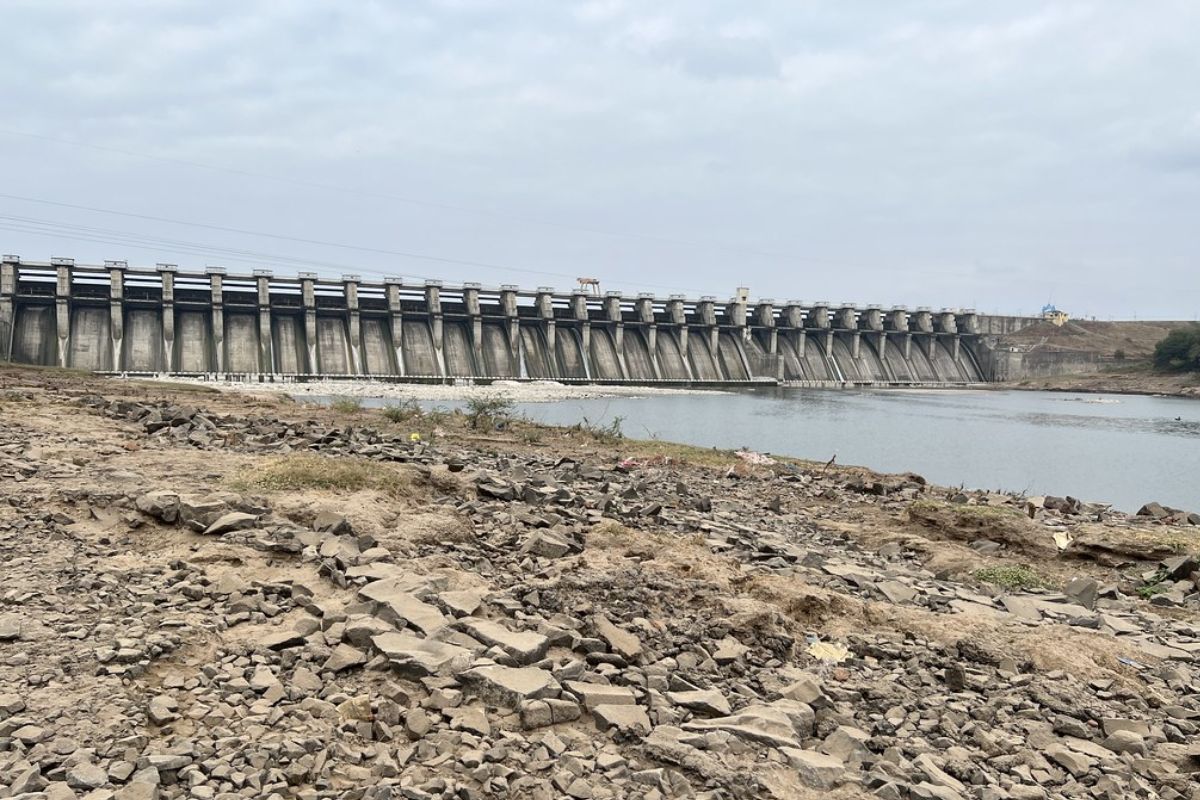
Ahead of the monsoon, water reserves in Maharashtra are under pressure as reservoir levels fall. The levels have been falling across all the reservoirs in the state, which is way less than last year. The dams of the state currently have only 25% storage of their live storage capacity. This has raised concerns among the residents. Talking about Pune, the water reserves are dwindling, emerging as Maharashtra’s biggest concern.
Water Crisis In Maharashtra
The latest report by the Water Resources Department, dated June 10, 2026, shows that the dams in the state currently hold only 25.51% of their live storage capacity. This includes all the large, medium, and minor dams (3,028). This has raised serious concerns about water availability in several regions.
Maharashtra’s current total usable water stock available stands at 10,421.90 million cubic metres (MCM). This number is way less than the number recorded on the same day last year. The timing of this decline in water availability is extremely bad, as many regions of this state are currently facing intense heat. This heat increases the pressure on water for agriculture and drinking supplies.
Also Read: Maharashtra Forms Panel For Arbitrary Bus Fare Hikes And Illegal Practices
Several key reservoirs that cater to the agricultural, industrial, and urban needs are reporting lower-than-expected storage levels. This includes Panshet, Bhatghar, Dimbhe, Koyna, Khadakwasla, Varasgaon, Nira Deoghar, Mulshi, and Warna.
Also Read: Maharashtra To Get 200 EV Charging Stations; Entire ST Fleet To Turn Electric By 2035
Regional Storage Levels Are Falling
Amravati, among the six administrative divisions, has the highest reservoir storage at 38.4%. This is followed by Nagpur at 36.98%. Chhatrapati Sambhajinagar has recorded 28.17% storage, while the Konkan division has 31.26%, and Nashik has 26.66%.
This problem of water storage availability is more concerning in the Pune division, as the city has the lowest numbers in Maharashtra. The reservoirs in Pune are currently at just 15.5% of live storage capacity, with a sharp drop compared to last year. The number recorded last year at this corresponding period was 26.82%.
Reflecting a decline of 11% over the past year, the Pune division’s dams collectively hold 2.307.27 MCM of water. This includes all the 724 dams in Pune.
Though the India Meteorological Department has predicted favourable monsoon conditions in the upcoming days, the reservoirs will continue to remain in stress until the rain becomes consistent.
Also Read: Israel To Install Chhatrapati Shivaji Maharaj Statue; Maharashtra CM Extends Support
Summing Up
Water reserves in Maharashtra are under pressure due to less available storage capacity. Any further delay in the arrival of consistent monsoon can increase the pressure on the authorities of water management.