
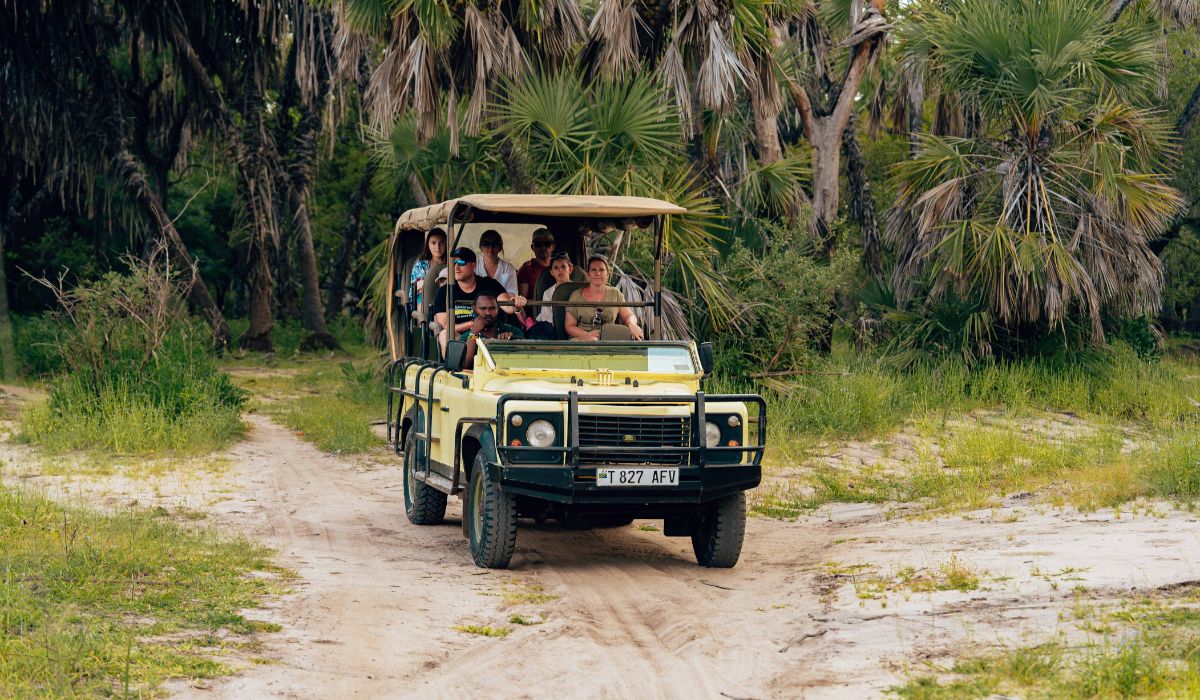
In a major overhaul to the safari experience in Karnataka, the state government has banned all open-jeep safaris across all tiger reserves and wildlife sanctuaries. This decision was taken after a slew of incidents took place, including the death of a few tourists. From now on, only heavily protected, enclosed vehicles of the forest department will be deployed for safaris. These vehicles will also have shatterproof glasses. The decision has received mixed responses as open-jeep safaris are quite popular at such reserves and sanctuaries.
Why Has Karnataka Banned Open-Jeep Safaris?
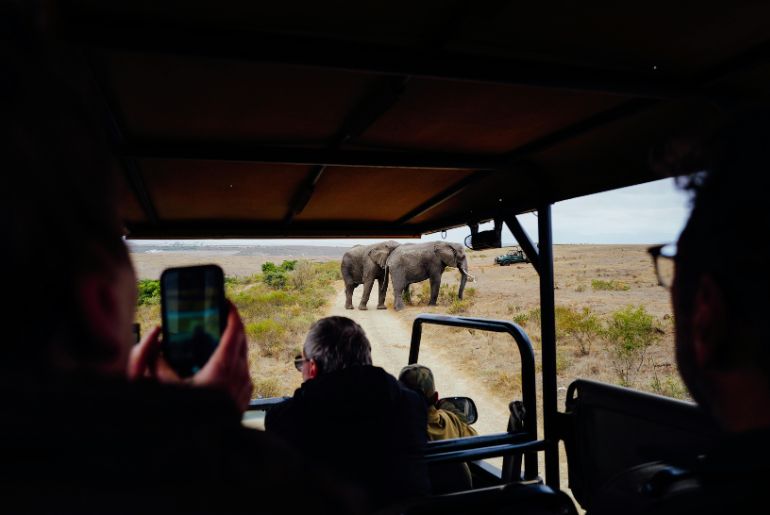
A while back, two leopard attacks were reported at the Bannerghatta National Park. Along the Bandipur-Nagarhole belt, three people were killed in a matter of one month last November. Another chilling incident saw the death of a 10-YO boy after he was attacked by a leopard near Nagamale.
Also Read: Karnataka Halts Safaris and Trekking After Three Fatal Tiger Attacks: A Data-Backed Analysis
While none of these deaths occurred during an Open-Jeep Safari, officials have still taken the preemptive measure of banning them in order to protect tourists. The state’s ecotourism sector also saw an estimated loss of INR 3 crores per day owing to a 5-month halt on safaris.
Also Read: Gir National Park to Introduce Train Safari: A New Way to Experience Asiatic Lions Up Close
Other Precautions Taken To Prevent Accidents
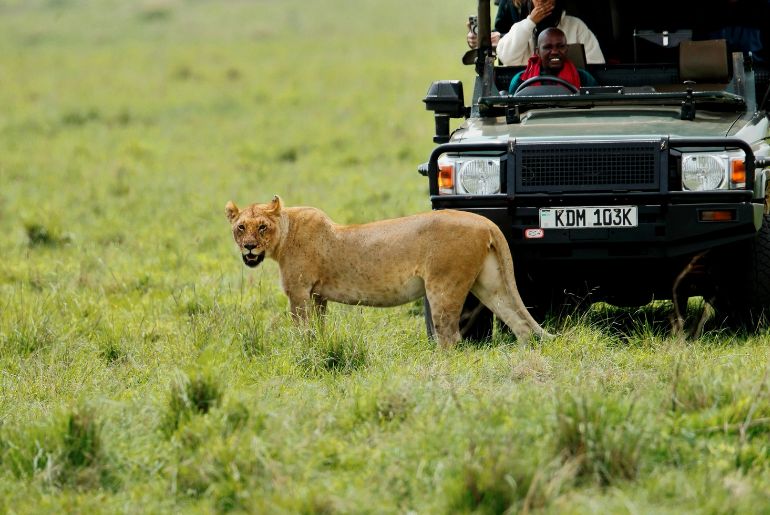
The state government has also implemented a zero stepping out policy during safaris, even in enclosed and protected buses. What is more, rapid response medical units and advanced first aid kits are also being set up for future crisis mitigation.
Also Read: How Many Safaris To Do In Tadoba? Your Complete Guide For First-Timers
All five of Karnataka’s reserves will come under the purview of this ban. They are Bandipur, Nagarahole, Kali (Anshi-Dandeli), Biligiri Ranganatha Temple (BRT), and Bhadra.
Also Read: Best Wildlife Safaris Around The World
Summing Up
While the ban may be disappointing for many, it may yield positive results all around. It is hoped that by deploying protected vehicles, such accidents may be prevented. Besides, certain ecological disadvantages like disturbance to the animals’ natural habitat may also be reduced.