

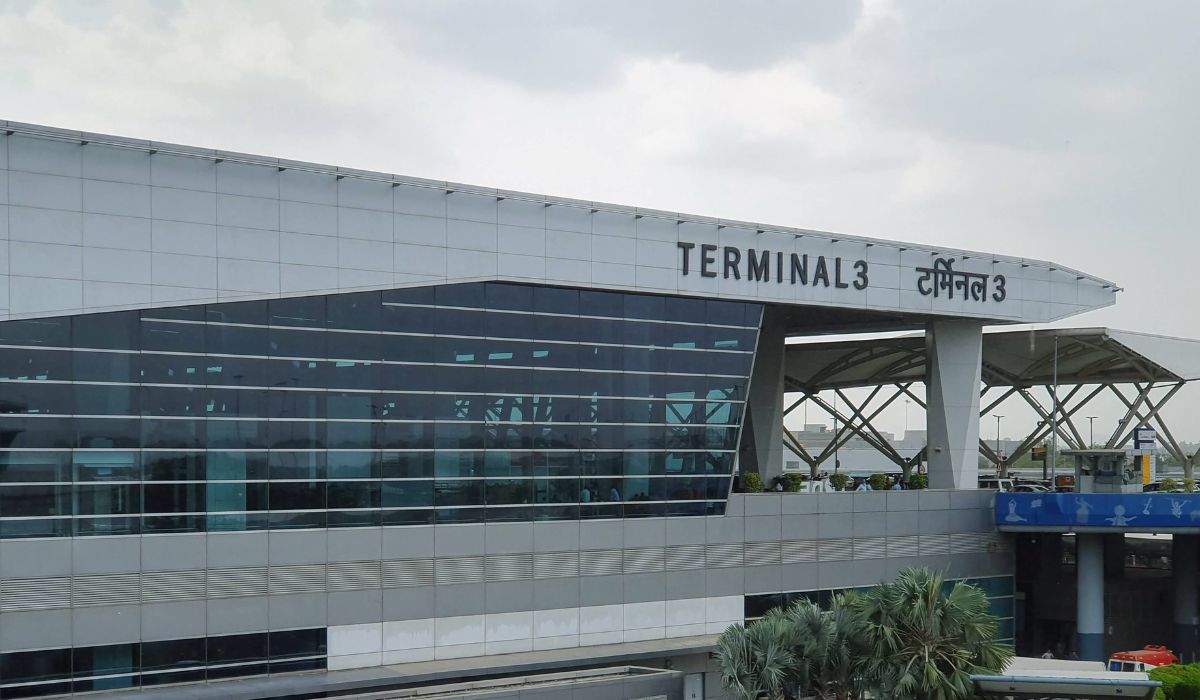
In what is widely considered to be a significant step towards weather-resilient aviation, the Union Minister, Dr. Jitendra Singh, has officially launched the first SkyCast System in India at the Indira Gandhi International Airport (IGIA) in Delhi. This particular system was launched under the central government’s flagship programme, Mission Mausam. Here are all of the important details that you would need to know about this particular system that will aid in aviation navigation.
India Launched First SkyCast System At Delhi IGIA
Good News for Aircraft operators and Aircraft passengers alike!
Proud to have launched today, India’s first-ever and world’s 19th #SkyCast system at IGI Airport, New Delhi. This is a state-of-the-art integrated atmosphere remote sensing equipment for Fog monitoring, high… pic.twitter.com/SUbJIJksCi
— Dr Jitendra Singh (@DrJitendraSingh) May 29, 2026
Every year during winter, Delhi and the surrounding regions are blanketed in dense fog. This results in significant disruption of air travel. Flights are canceled or delayed unpredictably, and both passengers and airlines are greatly inconvenienced.
Also Read: Terminal 2 Of Delhi Airport Might Get Abandoned In 2033
The new SkyCast System helps in tackling this very issue. By delivering highly accurate weather and visibility information alerts up to three hours in advance, it ensures that the airlines can prepare well in advance for weather conditions.
Also Read: How To Travel From Delhi Airport Using Metro: Detailed Delhi Metro Airport Express Line Guide
What Is A SkyCast System?
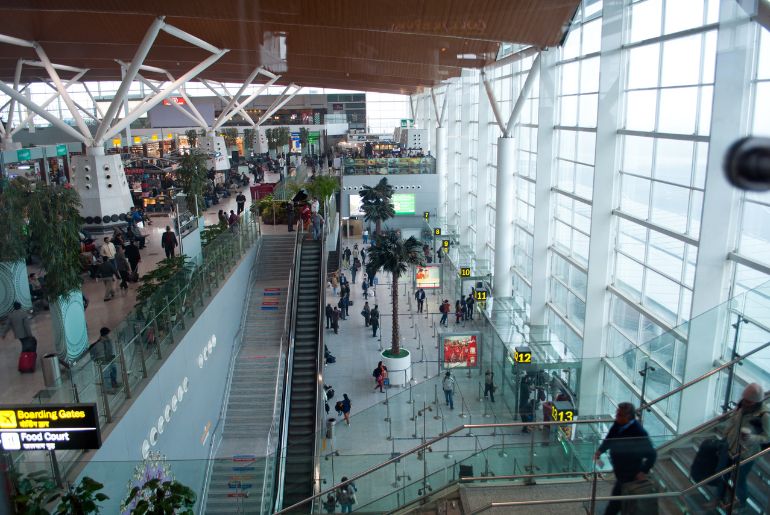
The SkyCast System works by combining inputs from numerous remote sensing technologies in a single framework. It operates up to an altitude of three kilometers and uses specialized instruments such as Radar Wind Profiler and SODAR, Ground-based Fog Aerosol Spectrometer (GFAS), and CL61 Lidar-Based Ceilometer.
Also Read: Delhi Airport Introduces e-Arrival Card: No More Paper Forms For Foreign Travelers
By constantly updating the Air Traffic Control (ATC) and airlines about the atmospheric parameters, it drastically reduces the likelihood of mid-air holding patterns, which are generally caused by sudden visibility drops and unexpected microbursts.
Also Read: Delhi Airport’s Renovated Terminal 2 To Reopen This October After Major Upgrades
Summing Up
This marks an added layer of safety for Indian aviation. The SkyCast system will help pilots and airlines alike in better navigating the weather. This will further prevent the cancelations of flights and will minimize commuter discomfort as well as commercial losses for airlines.