

Europe has rolled out a major change at its borders, officially switching to a new digital system that replaces traditional passport stamping for non-EU travellers. The Entry/Exit System (EES), which went live on April 10, 2026, is now operational across 29 Schengen countries and marks a significant shift towards biometric-based border control.
Europe Rolls Out New Entry/Exit System (EES)
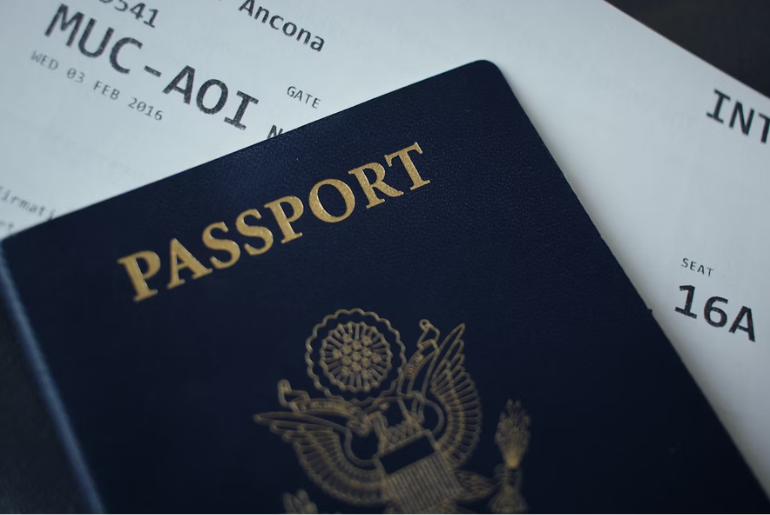
Under the new system, travellers entering Europe for short stays will no longer receive passport stamps. Instead, authorities will digitally record their movements using fingerprints, facial scans, and passport data. The system is designed to improve security, track overstays more accurately, and reduce identity fraud.
Officials say the process will make border management more efficient in the long run. “This is a major step towards smarter and more secure borders,” an EU official said, adding that the system will help authorities better monitor who enters and exits the region. However, for travellers, the immediate experience may feel more complex.
Also Read: Thailand To End 60-Day Visa-Free Entry Soon: Key Updates Travelers Must Know
What Is The New Entry/Exit System (EES)?
First-time visitors will now need to complete biometric registration at immigration, either through self-service kiosks or with border staff. This includes fingerprint scans and a facial image capture. In addition, travellers may be asked to provide details about their stay, such as hotel bookings, return tickets, or the purpose of their visit.
Once registered, repeat travellers are expected to have a smoother experience. After the initial enrolment, future crossings should be quicker, as travellers will only need to verify their identity biometrically.
The new rules apply to all short-stay visitors, including those travelling from India, who are allowed to stay in the Schengen area for up to 90 days within a 180-day period.
EES System Causes Delay After Initial Roll Out
However, the rollout has not been without issues. Reports from across Europe suggest that the first few days of implementation have led to long queues and delays at several airports. Industry bodies have warned travellers to expect disruptions as systems and staff adjust to the new process.
A joint statement from ACI EUROPE and Airlines for Europe (A4E) highlighted that the launch weekend saw “significant delays and operational challenges,” with some passengers missing flights due to extended waiting times at border control. In one widely reported incident at Milan’s Linate Airport, dozens of passengers were unable to board their flight after being stuck in queues for hours.
As per The Independent, only 34 passengers boarded the Easyjet flight to Manchester , leaving 122 behind in Italy, who “watched their plane depart without them.”
A4En in their statement harshly condemned the new EES roll out. They said, “The only feasible solution is for the European Commission to allow for the full and partial suspension of EES until the end of summer, where necessary.”
Summing Up
While the shift to a fully digital system promises faster processing and better security in the future, the transition phase is proving challenging. For now, travellers heading to Europe should be prepared for a more structured, data-driven process at immigration, and possibly a longer wait.