
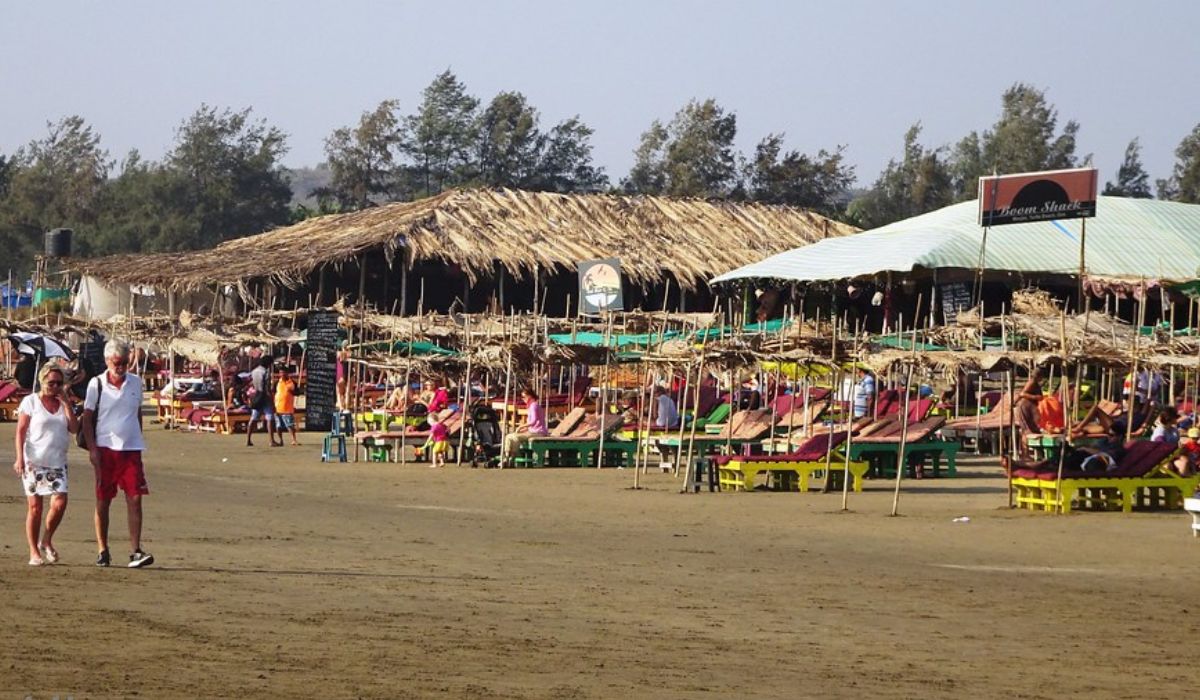
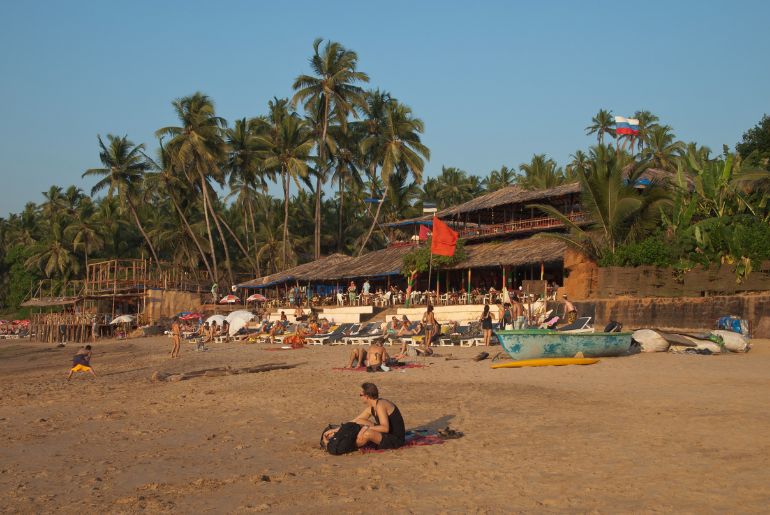
When you think of Goa, it is probable that the image in your mind is of a sun-baked beach abutted with shacks. You probably picture yourself relaxing on a deck bed under a bamboo-and-thatch shack with a drink, watching the waves. But this image couldn’t be farther from what Goa is during the monsoon season. Everything changes when the southwest monsoon arrives in June. The Arabian Sea turns turbulent, and winds lash the coast. So, no, traditional temporary beach shacks are not open during the monsoon. By law and environmental necessity, they are completely dismantled. While the shacks on the sand disappear, Goa’s culinary and coastal scene doesn’t completely die — it simply moves inland and uphill.
Are Beach Shacks Open In Goa During Monsoon?
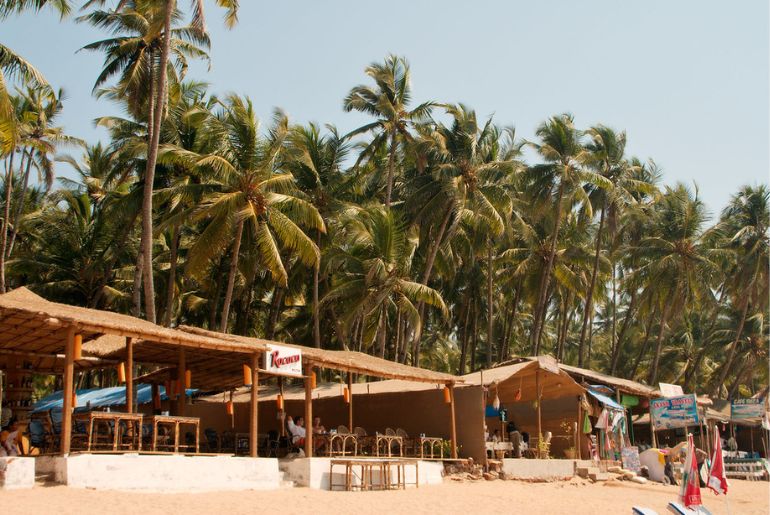
Goa has what is dubbed the official Goa State Shack Policy. Under this, approximately 360+ seasonal shacks allotted across North and South Goa beaches must pack up. While the government extended the deadline slightly until June 10th to support operators, everything must be stripped down to bare sand for the core monsoon months (June through September). Here is why this shutdown is non-negotiable:
High Tides & Rough Surf: Monsoon waves systematically erode the shoreline, and rising water levels routinely swallow the exact sandy stretches where shacks sit in December.
CRZ (Coastal Regulation Zone) Mandates: Shacks are legally classified as temporary seasonal structures. Retaining them year-round violates strict environmental protections.
The Agricultural Return: Highlight a unique local cultural aspect: many shack workers and operators dismantle their businesses to return to their ancestral villages for seasonal paddy farming.
Beach Shacks Vs Permanent Coastal Cafes
Many tourists watch social media videos of people dining by the sea in July and mistakenly assume shacks are open. It is critical to differentiate between temporary beach shacks and permanent structures:
Beach Shacks: Beach shacks are situated directly on the beaches. They’re made from eco-friendly materials like bamboo, wood, and thatch. It usually features Open-air deck beds and tables that are placed on the shore. During the monsoon, these shacks are completely dismantled. Such shacks and beachfront setups are ubiquitous on beaches like Calangute, Baga, and Morjim.
Permanent Coastal Restaurants, Cafes, and Clubs: These are usually on cliffs, private land, or across coastal roads. They are open year-round and have interior (covered) and outdoor seating. They feature concrete, brick-and-mortar structures with heavy, weatherized glass. They also have enclosed dining or sheltered covered decks. Such establishments are more commonly found in Assagao, Anjuna cliffs, or Panaji.
Where To Go In Goa During Monsoon Instead
While you can’t sit on the sand, several permanent coastal zones offer incredible culinary experiences with rain-slashed sea views throughout July and August:
1. The Anjuna And Vagator Cliffside Cafes
Permanent, concrete establishments perched high on the rocky cliffs stay fully operational. They install heavy waterproof transparent blinds so you can watch the dramatic waves crash against the rocks below while enjoying hot meals safely out of the rain.
2. The Luxury Gastro-Hub of Assagao
Known as Goa’s culinary capital, this hinterland village features beautifully restored Indo-Portuguese villas turned into premium restaurants and bars. Protected by lush jungle canopies, it is the ultimate rain-watching dining zone.
3. Fontainhas And Panaji Riverfront
The Latin Quarter features cozy indoor bistros, boutique bakeries, and fine-dining spots that thrive during rainy afternoons.
4. South Goa Resort Dining
Upscale 5-star resorts along the Varca and Cavelossim belts keep their in-house beachfront fine-dining pavilions open, heavily weather-proofed with structural glass boundaries.
Also Read: Can You Visit Goa During Monsoon? Safety Rules And Trip Guide
Safety Warnings For Beach Visitors And Other Tips
- Wading or swimming anywhere in the ocean is entirely illegal and strictly monitored by Drishti Marine lifesavers. Red flags fly across every single beach stretch.
- Because shacks are gone, there are no public washrooms, lights, or sheltered rest zones on the open sand. If a sudden cloudburst hits while you are walking down Calangute beach, you will have to run all the way back to the main road parking for shelter.
- Watch out for stray cattle and flooded approaches as deserted monsoon beaches often become resting grounds for local cattle, and the narrow approach roads leading to beach entry points can flood rapidly during high tides.
- Avoid driving at all costs if you’re planning to drink, even if you are an excellent driver. The rain makes the roads extra tricky to navigate.
- If you’re prone to getting cold, avoid renting two-wheelers and rent four-wheelers instead.
- If you’re renting a two-wheeler, make sure that the number plate is yellow. It is illegal for tourists to ride a white-number-plate two-wheeler. If caught by a policeman, they may have to pay a fine.
Summing Up
If your dream holiday hinges entirely on lounging on a beach bed directly on the sand while listening to reggae music at a bamboo shack, you should skip Goa from June to September. However, if you are willing to swap the sand for a dramatic, cliff-top indoor restaurant or a cozy cafe tucked inside an emerald-green village, the monsoon reveals an incredibly soulful, deeply authentic side of Goa that winter party-goers never get to see.