
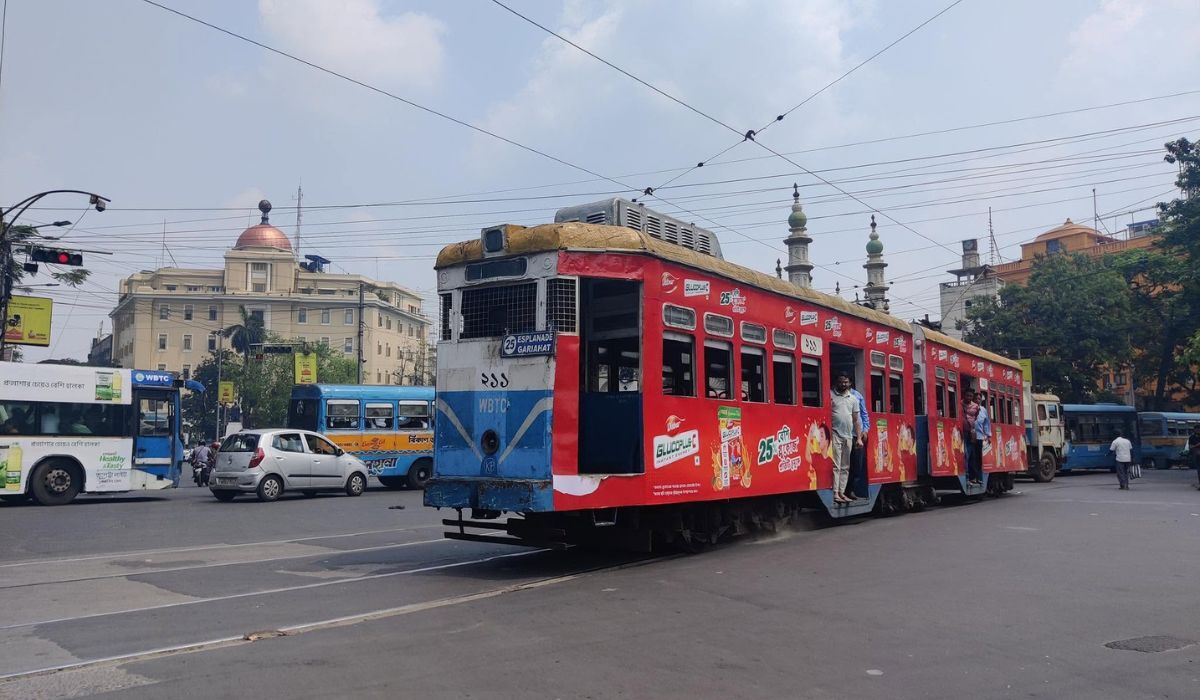
In a country with a number of unique and historical cities, Kolkata holds a singular distinction. It is the only city in India where you can still travel via trams, the mode of transport of yore. This historical mode of transport was first introduced as horse-drawn carriages in 1873. After the widespread success of the trams, they were electrified around 1902. Back then, they operated under the Calcutta Tramways Company (CTC), which, since 2016, has merged with the West Bengal Transport Corporation (WBTC). Today, these vintage steel-and-wood streetcars offer a nostalgic escape from modern metro rushes. Here is everything you need to know about active routes, ticket fares, operating hours, and riding strategies.
Active Tram In Kolkata And Heritage Options
View this post on Instagram
When it first started, the tram network spanned dozens of lines across North and South Kolkata. Today, however, daily operations are focused solely on key historic corridors. They are as follows:
Route 5: Shyambazar Terminus To Esplanade
This is widely considered the classic North Kolkata route. It travels down historic avenues that connect old-world residential sectors, traditional markets, and colonial institutions to the city center at Esplanade.
Stops On The Route: Shyambazar, College Street (Boi Para), Wellington Junction, and Esplanade
Route 25: Gariahat Depot To Esplanade
When it comes to riding the tram in South Kolkata, there isn’t a more classic route than this. It takes its passengers past south-side shopping hubs, tree-lined avenues, and leafy residential neighborhoods up to Central Kolkata.
Stops On The Route: Gariahat Depot, Park Circus, Nonapukur, Wellington, and Esplanade
AC Heritage Trams And Special Excursions
Apart from these two major routes, you can also take a gad about town on special decorated heritage excursion trams such as the Smarnika cafe-tram and single-bogie AC trams. These typically operate on select weekend slots or private heritage bookings out of Esplanade Depot, offering cushioned seating and air conditioning.
Also Read: Kolkata: Exploring The City Where History Lives On In Everyday Life
Ticket Fares And Operational Timings
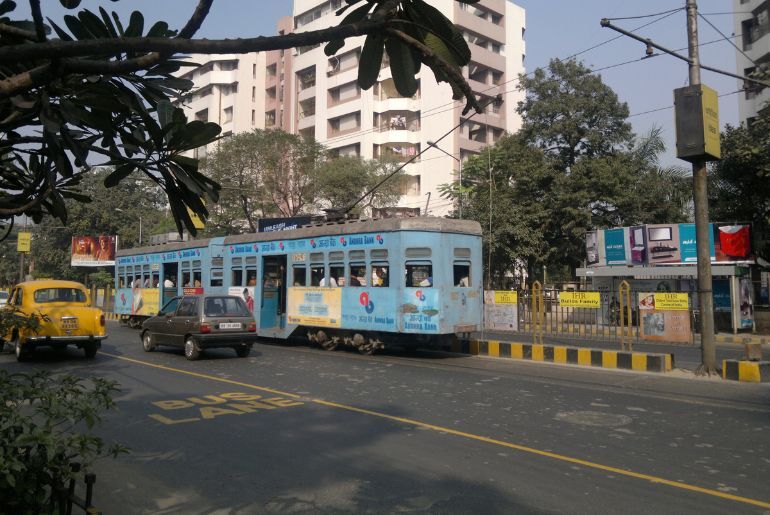
Even today, these trams continue to be one of the most affordable modes of transportation to ever exist in India, and even in Asia. The following is the fare breakdown for trams in Kolkata:
Regular Non-AC Tram Fare: Depending on the distance traveled, the cost of the ticket can be anywhere between INR 6 and INR 10 per passenger.
AC Heritage Tram Fare: The ticket prices are slightly higher, between INR 20 and INR 30 per passenger, depending on the distance you have to travel.
Today, the tram services ply from 6:30 AM to 8:30 PM, every day. They run generally at an interval of around 20 to 30 minutes, though timings can vary based on street traffic conditions.
How To Ride A Tram: Step-by-Step Guide
First Step: Locate A Tram Stop Or Terminus
Head to any of the tram stops that are closest to you. You can consider Esplanade Tram Depot in Central Kolkata, Shyambazar in the North, or Gariahat Depot in the South. These termini offer dedicated boarding platforms where trams queue before starting their routes. You can get comfy seats if you board at any of these stops.
Insider Tip: Esplanade, Shyambazar, and Gariahat are the primary hubs in Kolkata
Second Step: Board The Car And Find A Seat
Step inside the wooden coach that has just arrived, and then proceed to take a seat on the traditional slatted wooden or metal benches alongside the large, bar-shielded windows. As the fans keep humming overhead, giving off cooling breezes, the vehicle snakes through the historic city, making you feel nostalgic.
Insider Tip: Watch your step on street-level boarding to avoid mishaps and falls
Third Step: Buy Your Paper Ticket From The Conductor
To retain the old-world charm of trams, there are no advanced digital tokens or online passes required for standard daily trams. As soon as you board the tram, a uniform-wearing conductor will approach you. You must state your destination stop, pay the small cash fare of INR 5, INR 10, or INR 20 notes, and receive a traditional paper ticket.
Insider Tip: Carry cash in small denominations, as it is required
Fourth Step: Enjoy The Journey And Signal Your Stop
All you have to do now is sit back and relax. Watch the tram clatter along its tracks at a comfortable pace of around 15 to 20 km per hour. When you’re approaching your destination stop, notify the conductor, who will then tug a ceiling cord to ring the driver’s signal bell. This will bring the tram to a halt, and you’ll be able to disembark.
Insider Tip: Listen for the conductor’s bell
Also Read: Did Sienna In Kolkata Impress Us With Its Contemporary Bengali Food?
Summing Up
One of the quickest ways to time travel is to step inside a tram in Kolkata. You get to enjoy the remnants of a bygone era while taking a break from your fast-paced city life. Today, riding a Kolkata tram is less about high-speed transit and more about experiencing living history. As you roll past the ever-changing cityscape, heritage colonial architecture, bustling street markets, and banyan-shaded avenues, you get to slow down and view the city through a vintage lens. You experience part of the famous Kolkata charm and get to fall in love a bit more with the city.