
When it comes to visiting mountainous countries neighboring India, either Nepal or Bhutan can be a riveting choice for your first trip abroad. Both countries offer distinctive cultural experiences while retaining certain crucial similarities, such as their proximity to India, which makes picking between the two quite challenging. If you’re similarly confused about how to go about choosing between the two, this unstumbled guide his here to help you. From entry requirements and documents needed to daily budget and cost comparison, here are all of the important details you would need to decide which destination is a better choice for you, Nepal or Bhutan.
Nepal Or Bhutan: Entry Rules And Documents
Nepal: Maximum Convenience
Under the 1950 Indo-Nepal Treaty, Indian citizens do not need a visa to visit Nepal. Foreign nationals from countries other than India can obtain a seamless Visa on Arrival (VoA) at Tribhuvan International Airport in Kathmandu.
While you don’t need a visa, you still need to carry an original Indian Passport that is valid for at least six months or more, or an Election Commission Voter ID card. It is also important to keep in mind that Aadhaar cards, PAN cards, and driving licenses are strictly NOT accepted for air transit.
One of the reasons why Nepal is a great option for solo adventurers is that tourists have the freedom to travel independently, hire local taxis, or explore on foot without mandatory tour guides.
Bhutan: Regulated And Structured
Bhutan is a different ballgame entirely when it comes to documentation and visiting costs. Indian citizens do not need a visa but must obtain a mandatory Entry Permit online or at Phuentsholing or Paro. For foreign nationals from countries other than India, tourists require a pre-approved visa for a $40 USD fee.
Apart from this, every tourist must pay a daily government levy. For Indian nationals, it is INR 1,200 per adult, per night you spend in the country, and for Indian children (between six and twelve years of age), the government levies INR 600. Visit for children under six years of age is free.
Tourists from countries other than India must pay USD 100 per adult per night. What is more, all foreign visitors must book certified accommodation for their stay. They must also hire a licensed Bhutanese tour guide for travel outside Paro and Thimphu valleys.
Mountain Views And Iconic Landscapes
Nepal: Scale And High-Altitude Drama
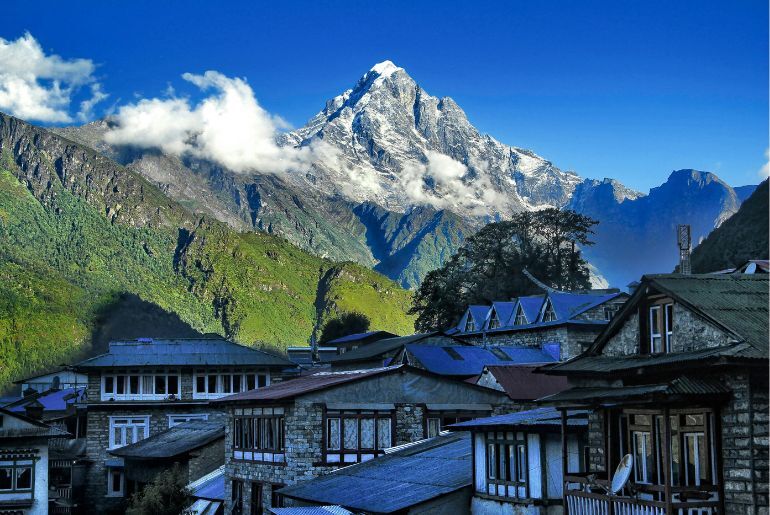
Nepal is home to a total of eight of the 14 highest peaks in the whole world, including Mount Everest, Kangchenjunga, and the Annapurna massif. Tourists get to witness jagged, snow-capped giants towering right over lakeside towns like Pokhara. Adventure enthusiasts also get to experience the high-energy mountain culture, trekking trails, and bustling stupas such as Boudhanath and Swayambhunath.
Bhutan: Serene Valleys And Dzongs
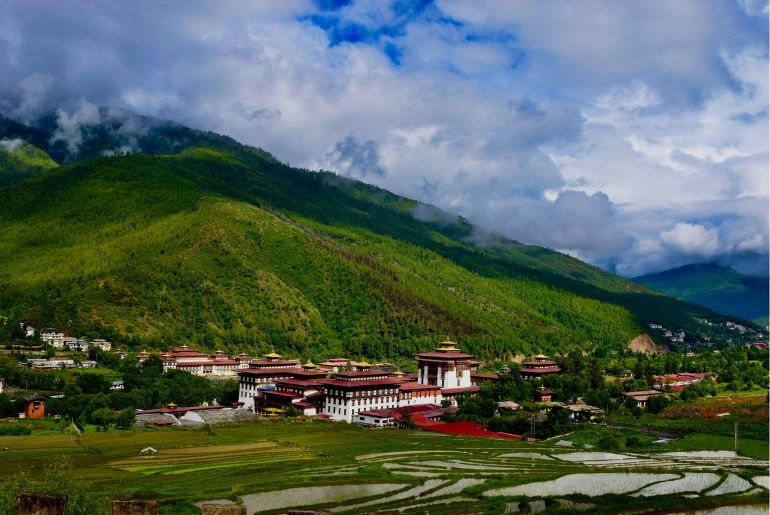
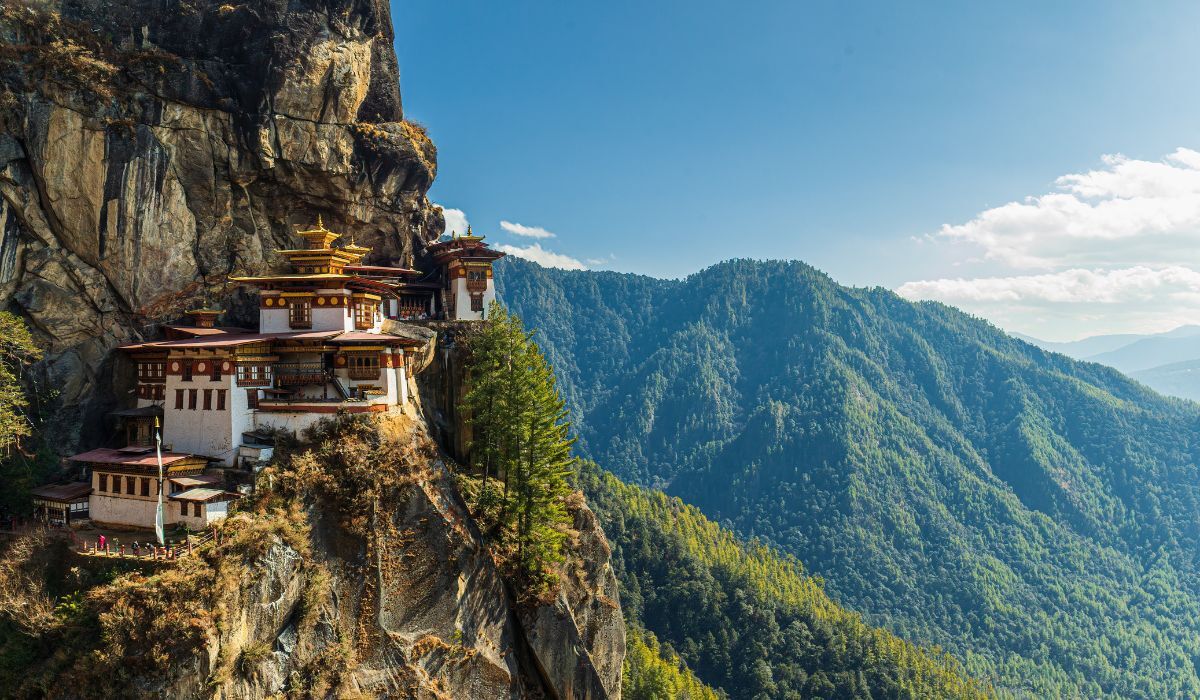
When it comes to views, Bhutan offers pristine and heavily forested pine valleys, as the country is around 70 percent to 71 percent forest cover. These pine valleys are anchored by cliffside monasteries such as the Tiger’s Nest, which is also known as Paro Taktsang.
Tourists can also witness pristine architectural harmony, tranquil dzongs or fortresses, prayer flags fluttering across mountain passes, as seen in Dochula Pass, and zero traffic lights.
Also Read: Nepal Flash Floods: Which Parts Of India Are At Risk And How Can You Help People Affected?
Nepal Or Bhutan: Daily Budget And Cost Comparison
For Nepal, your per-day cost, including stay, meals, and transportation, can total around INR 2,500 to INR 4,500.
In Bhutan, your total per-day cost, including government tax, transportation, stay, meals, and a mandatory guide, can be around INR 6,000 to INR 9,000.
The Final Verdict: Which One Should You Pick?
Choose Nepal If
You’re on a budget or traveling as a solo backpacker. Nepal is also the better choice if you want complete travel spontaneity without rigid itineraries. It is also a great option if you love outdoor adventure activities, high-altitude trekking, nightlife, and bustling street markets.
Choose Bhutan If
You’re looking for a serene, crowd-free vacation with curated, stress-free travel convenience, and you value Gross National Happiness, ancient Buddhist heritage, and immaculately preserved nature. Bhutan is also a better option for you if you don’t mind splurging extra for guaranteed comfort, private guides, and exclusive entry rules.
Summing Up
Choosing between Nepal or Bhutan is more about deciding what sort of a vacation you’re looking for, whether you want a budget-friendly and independent vacation or a quiet and curated cultural experience. Nepal is better for the former and Bhutan for the latter. Both countries accept Indian currency, so there is not much hassle, currency-wise. It is important to note, however, that INR 500 denomination notes can, at times, face some resistance in the more rural regions of Nepal. As such, carrying INR 100 and INR 200 notes is better. You can even get the cash you’re carrying converted upon landing in the country.