
After a mandatory three-month monsoon shutdown, from the 1st of July to the 30th of September, India’s top national parks and tiger reserves officially reopen their gates for the 2026 to 2027 tourism season. For wildlife enthusiasts and nature aficionados, this is an exciting time. For Safari experiences too, this particular period offers a unique experience. Visitors can witness Lush green canopy, refreshed water bodies, crisp morning temperatures, and animals stepping onto open trails to dry off. However, for some, the thicker foliage might make sightings a bit more challenging, almost akin to a thrilling game of tracking. This unstumbled guide will tell you about the major tiger reserves in India that have opened up and other important details regarding them.
Top Tiger Reserves Open In October
Parks Reopening October 1: Full Core And Buffer Operations
1. Ranthambore Tiger Reserve, Rajasthan
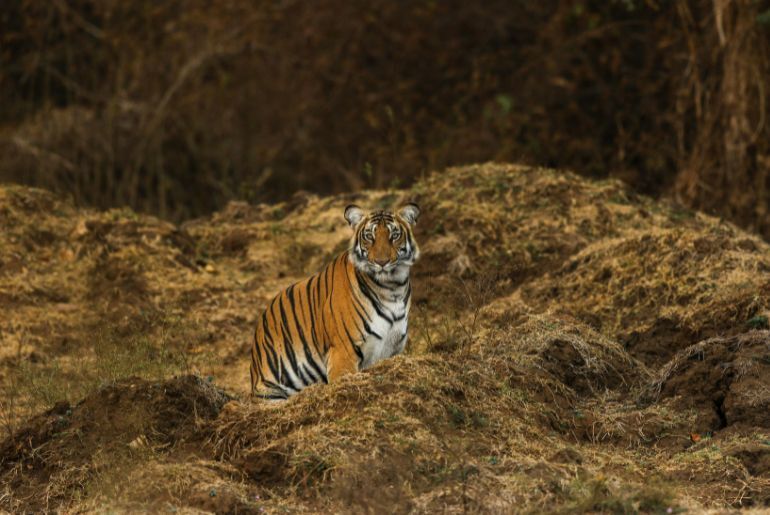
This place generally sees a high demand for the central lake zones once it opens.
Core Zone Open Date: Currently open; Zones one to five open on 1st of Oct
Buffer Zone Open Date: Zones six to ten open year-round
2. Jim Corbett National Park, Uttarakhand
The zones in Jim Corbett open in a staggered manner. The Bijrani Zone opens on the 1st of Oct, but the others do not.
Core Zone Open Date: Bijrani Zone opens on the 1st of Oct.
Buffer Zone Open Date: The Jhirna and Dhela zones are open year-round.
3. Tadoba Andhari Tiger Reserve, Maharashtra
The gates of the core zones like Moharli, Kolara, and Navegaon are now open for the winter season.
Core Zone Open Date: Open from the 1st of October
Buffer Zone Open Date: Open year-round
4. Pench National Park, Madhya Pradesh
The Touria and Silaria gates have opened for the season.
Core Zone Open Date: Open from the 1st of October
Buffer Zone Open Date: Open year-round
5. Panna National Park And Tiger Reserve, Madhya Pradesh
The Madla and Hinouta core gates open, and so do the Ken River boat safaris. However, the latter are subject to water levels.
Core Zone Open Date: Open from the 1st of October
Buffer Zone Open Date: Open year-round
6. Namdapha National Park And Tiger Reserve
Activities such as trekking, jungle camping, and eco-tourism tracks here open post-monsoon.
Core Zone Open Date: Opens from the 1st of October
Buffer Zone Open Date: Open year-round
Parks Reopening October 15: Mid-October Delayed Openings
7. Kanha Tiger Reserve, Madhya Pradesh
All of the core zones such as Kisli, Mukki, Sarhi, and Kanha core zones are active by mid-Oct.
Core Zone Open Date: Opens on the 15th of Oct
Buffer Zone Open Date: Open year-round
8. Bandhavgarh National Park And Tiger Reserve, Madhya Pradesh
The gates to core zones like Tala, Magadhi, and Khitauli are active; however, they remain closed during Wednesday evenings.
Core Zone Open Date: Tala opens on the 1st of Oct, while other core zones open on the 15th of Oct
Buffer Zone Open Date: Open year-round.
9. Satpura Tiger Reserve, Madhya Pradesh
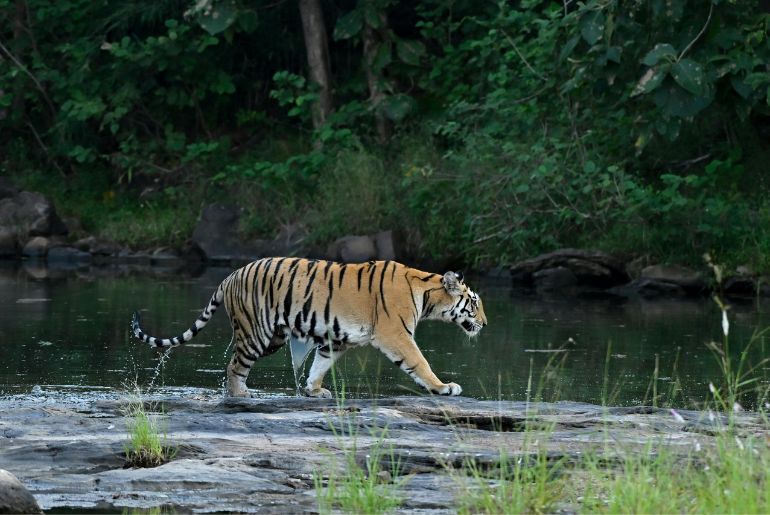
Madhai core gate and boat crossings become operational, and so do activities such as canoeing and walking safaris.
Core Zone Open Date: Open from the 15th of October
Buffer Zone Open Date: Open year-round
Parks Reopening November 1
10. Kaziranga National Park, Assam
This particular national park has a staggered model for opening as well. Partial Jeep Safaris resume along with the Kohora and Bagori ranges. Elephant safaris, however, only begin on November 1.
Core Zone Open Date: Opens from the 1st of November
Buffer Zone Open Date: No buffer zone here.
Also Read: Supreme Court Orders Tiger Safaris Shifted To Non-Forest Areas, Imposes Ban On Night Tourism
Core Zone vs. Buffer Zone: Understanding The Difference
What Are Core Zones?
It is important to understand the difference between the two. As the name suggests, the core zone is the deepest, most heavily protected area of a reserve. It generally has very restricted access via vehicle entry, and even that has its limits. These core zones typically witness the highest demand, as these are the places you are most likely to spot a tiger in. However, owing to their popularity, the mandatory permits for these zones generally sell out 120 days in advance.
What Are Buffer Zones?
The forest area surrounding the core zones and adjoining the human settlements is known as buffer zones. These zones have much more flexible permit availability. Some select reserves also offer night safari options, like in Bandhavgarh and Pench. These zones are excellent for general wildlife viewing.
Visiting a wildlife reserve in October means that the high height of the grass immediately after monsoon can lower long-distance visibility in core zones. This makes buffer tracks and forest roads prime spots for tracking pugmarks.
Also Read: Maharashtra Govt To Unveil New Tiger Reserves, Leopard Safaris By 2029
Summing Up
Regardless of which of these Tiger Reserves you end up visiting, make sure you adhere to safety guidelines. If you’re going on Safari rides, make sure to also maintain a respectful distance from the animals. It is possible that when you do visit the national park, it’ll be a bit nippy. So, it is better to carry warm clothes.