
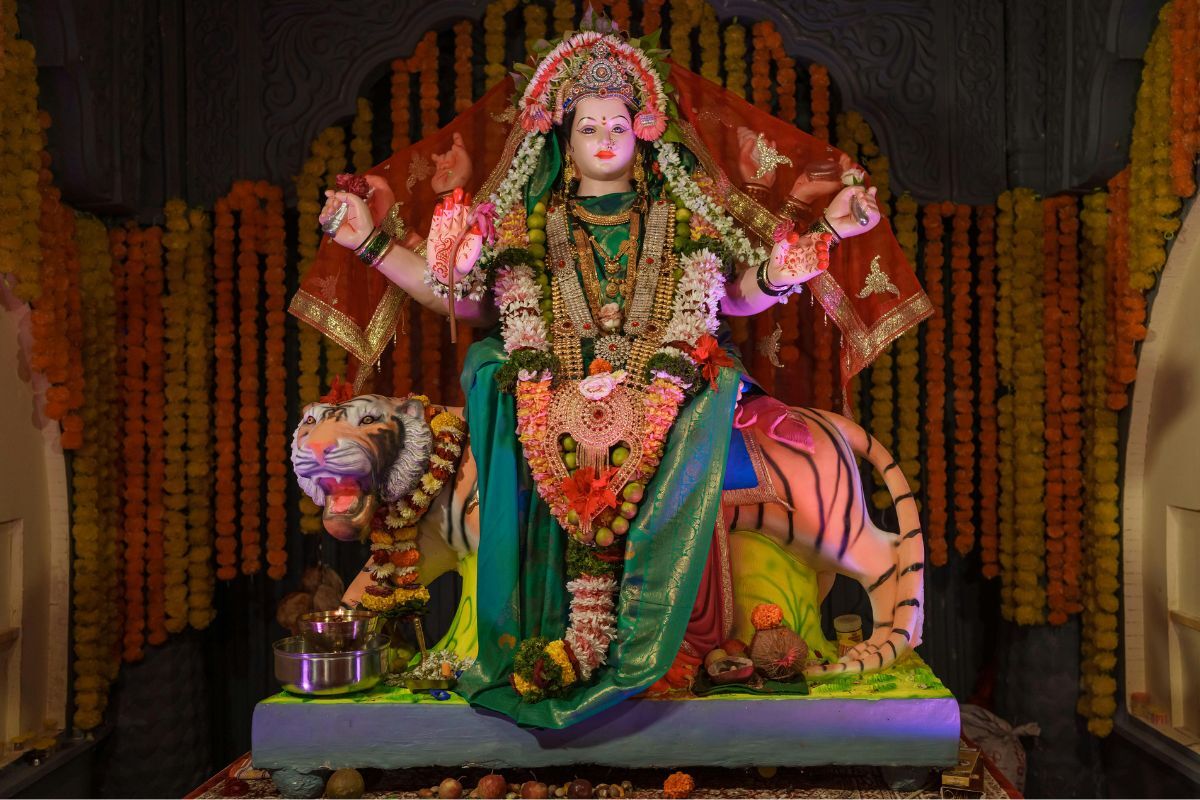
Navratri is known as one of the most vibrant and colorful festivals in India. Navratri means nine nights, and all these nine nights are dedicated to Lord Durga and her nine beautifully unique forms or manifestations. They are collectively known as Navdurga. Beyond traditional Garba, Dandiya, fasting, and elaborate pujas, another custom is following the 9 Navratri color code. Every single day of Navratri is associated with a specific color that is related to the goddess that is represented on that day. Here’s a list of day-wise color list for you to follow.
Navratri Colors For 2026
11 October, 2026 – Sunday
Color: Orange
Goddess: Maa Shailputri
Significance: Sharad Navratri begins with the worship of Maa Shailputri, the daughter of mountains, and the first form of Durga. This form of the goddess embodies absolute power and divine nature. She is seen holding a trident and a lotus in her hands and is seated on a bull. The color orange is known to symbolize warmth, brightness, and positive energy. It carries the glowing energy and optimism of a rising sun, which sets a joyful start to the festival. Wearing orange on day 1 is said to fill the devotee with positive momentum to embark on this spiritual journey.
Bhog: Ghee
12 October, 2026 – Monday
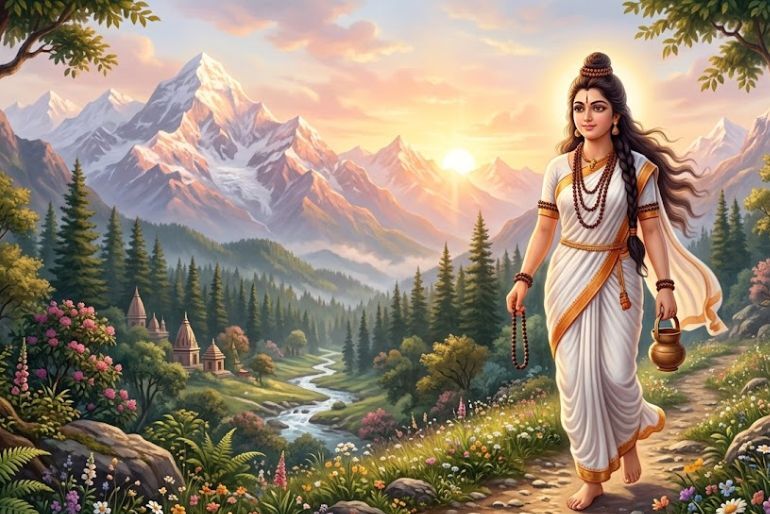
Color: White
Goddess: Maa Brahmacharini
Significance: The second day of Navratri honors Maa Brahmacharini, who symbolises penance, spiritual discipline, and devotion. It is believed that she practiced intense penance to attain Lord Shiva. She is seen holding a water pot and rosary in her hands. White represents simplicity, purity, peace, and devotion. It reflects the prayerful mood of the second day of Navratri. Wearing white on day 2 is said to bring clarity of mind, inner calm, steadfastness, meditation, as well as devotion.
Bhog: Mishri
Also Read: How Is Durga Puja In Kolkata Different From Navratri? Rituals, Food & What Changes
13 October, 2026 – Tuesday
Color: Red
Goddess: Maa Chandraghanta
Significance: The third day of Navratri honors Maa Chandraghanta, who is known as the ten-armed warrior goddess. She bears a half-moon shaped like a bell on her forehead. This goddess is known to represent ferocity and bravery towards evil and benevolence towards the devotees. The color red is known as the ultimate symbol of Shakti, which represents fearlessness, divine protection, vitality, strength, passion, love, and auspiciousness. It is also the color of the chunri that is offered to the Goddess.
Bhog: Kheer
14 October, 2026 – Wednesday
Color: Royal Blue
Goddess: Maa Kushmanda
Significance: Day four of Navratri is dedicated to Maa Kushmanda, who is known as the cosmic creator with a beautiful smile. She radiates luminous warmth and resides in the center of the Sun. The goddess has eight arms and is seated on a lion. The color royal blue represents cosmic depth, steady strength, royalty, boundless space, elegance, tranquility, richness, calmness, and divine wisdom. It symbolizes the infinite power of the goddess and honors it.
Bhog: Malpua
15 October, 2026 – Thursday
Color: Yellow
Goddess: Maa Skandamata
Significance: Day 5 is traditionally associated with Goddess Skandamata, who is known as the motherly form of Goddess Durga. She is seen holding the infant Skanda or Karthikeya in her lap and is seated on a lion. This form of the goddess shows maternal warmth, affection, and protection. The color yellow is a joyous and mood-uplifting color that represents optimism, intellectual wisdom, good health, and happiness. It brings cheerfulness to the festive spirit mid-Navratri.
Bhog: Yellow Banana
Also Read: Which Mata Temples Should You Visit During Navratri? Ambaji, Kalighat & More
16 October, 2026 – Friday
Color: Green
Goddess: Maa Katyayani
Significance: The sixth day of Navratri is dedicated to Goddess Katyayani, who was born to sage Katyayana. She is known as the fierce warrior deity who was born from the anger of the gods. Even though she has a fierce nature, the goddess is known for nurturing creation. She is seen seated on a lion with a sword in one hand. The color green represents new beginnings, nature, growth, harmony, fertility, prosperity, and emotional healing. Wearing green on day 6 of Navratri is believed to bring divine favor and tranquility, making it perfect for new starts and hopes.
Bhog: Honey
17 October, 2026 – Saturday
Color: Grey
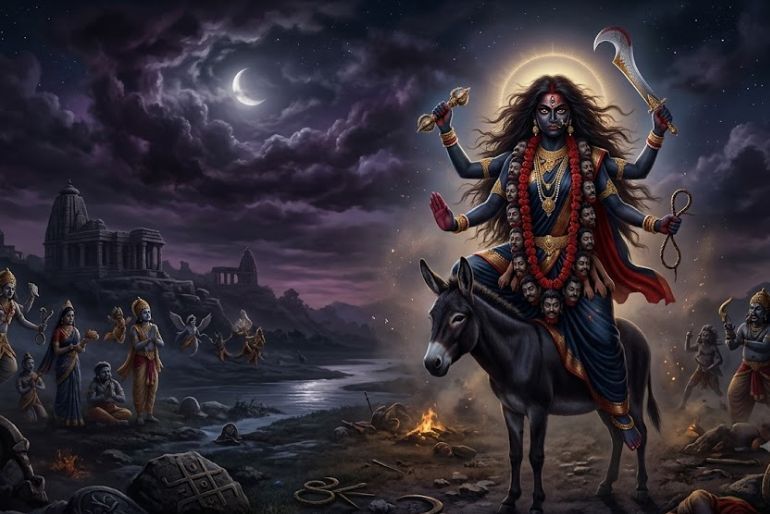
Goddess: Maa Kaalratri
Significance: Day seven of Navratri honors Goddess Kaalratri. It is known as the most formidable form of Goddess Durga. It is a dark form of the goddess that destroys evil spirits and fear. She is seen adorning a necklace of skulls around her neck, has disheveled hair, and is seated on a donkey. The color grey is known to symbolise neutrality, mental strength, balance, groundedness, and transformation that follows destruction. Wearing grey on day 7 brings the ability and strength to stay steady while witnessing any change.
Bhog: Jaggery
Also Read: Where Is Garba Happening In Bengaluru For Navratri 2026? Tickets, Venues & Dates
18 October, 2026 – Sunday
Color: Purple
Goddess: Maa Mahagauri
Significance: The eighth day of Navratri is dedicated to Maa Mahagauri, who is associated with forgiveness, purity, grace, and radiance. She has a small drum in her hand and is seated on a pure white cow. The color Purple is known to combine the calmness of blue with the fierce quality of red. It symbolizes luxury, dignity, royalty, spiritual enlightenment, grandeur, richness, and ambition. Wearing purple on day 8 brings a higher sense of purpose and also honors the forgiving nature of the goddess.
Bhog: Coconut
19 October, 2026 – Monday
Color: Peacock Green
Goddess: Maa Siddhidatri
Significance: The ninth day of Navratri honors Maa Siddhidatri, who grants all spiritual fulfilment and supernatural accomplishments to deities and devotees. This goddess is a form that symbolizes grace, purity, and inner transformation. She has a shankh in her hand and is seen seated on a floating lotus. The color peacock green symbolizes beauty, freshness, individuality, compassion, and divine completion. Wearing peacock green offers the perfect culmination to the festival.
Bhog: Black Chana
Also Read: Where Is Falguni Pathak Performing For Navratri 2026 In Mumbai? Tickets, Venue & More
Note: This article was compiled after verifying current publicly available business information.
Summing Up
From orange to peacock green, we have listed all nine colors of Navratri with their significance and the goddess associated with each. Wearing these designated colors is believed to attract positive energy, prosperity, peace, and divine blessings. Make sure you share this complete day-wise guide with your friends and family.