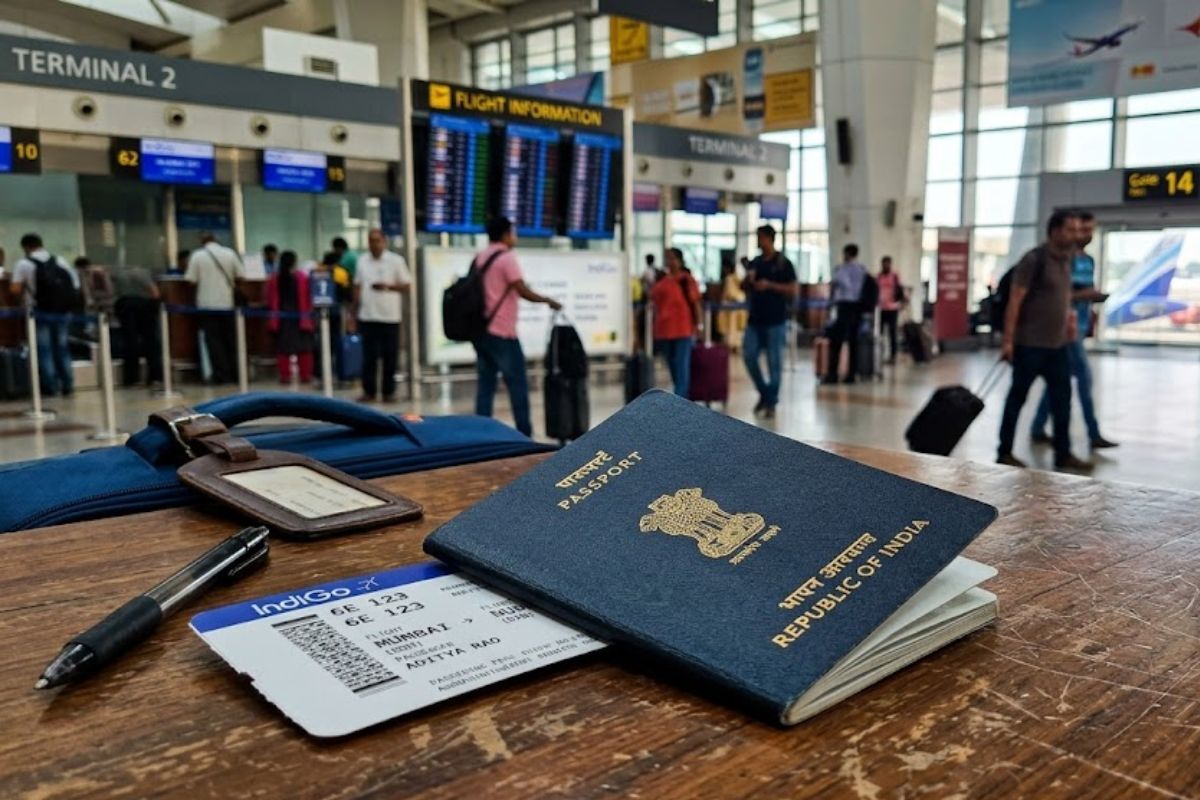

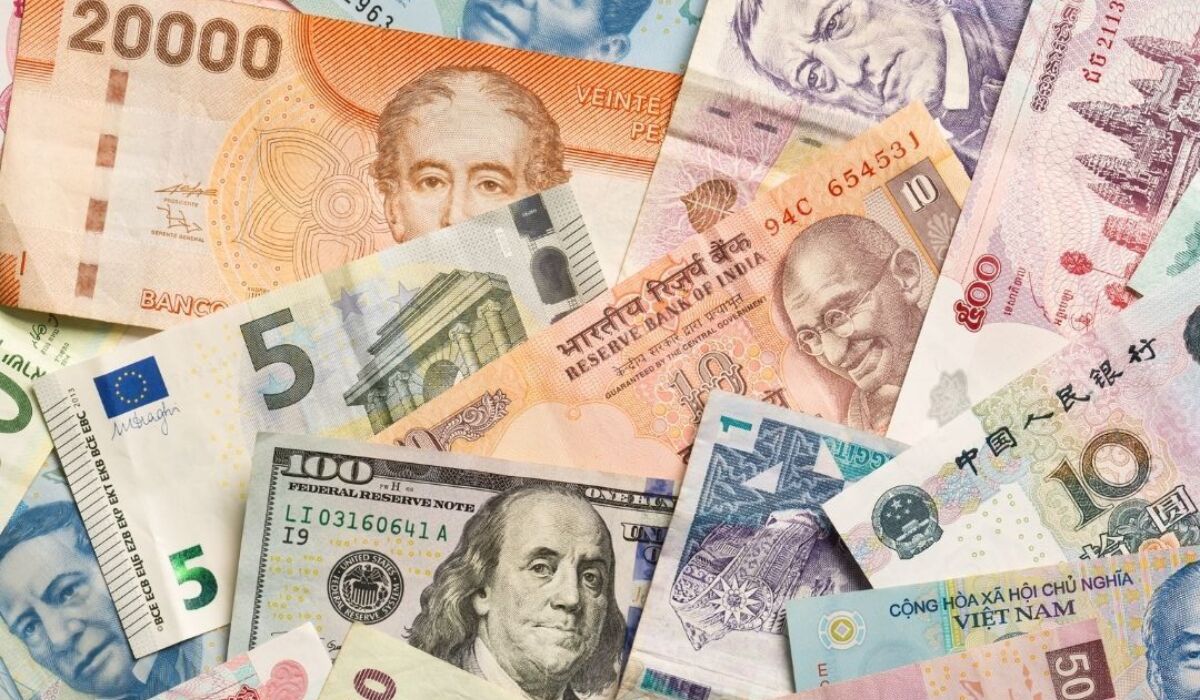
Paying for things abroad sounds simple until you actually start planning how much foreign currency to carry. Cash is useful for smaller purchases, credit cards are convenient for hotels and larger payments, while forex cards give travelers a prepaid option for managing spending in another currency. Each works differently, and relying entirely on one payment method can create problems if a card stops working, cash is lost, or unexpected charges appear. For Indian travelers heading overseas, comparing forex card vs credit card vs cash can make it easier to understand where each option works well and where it falls short. Exchange rates, foreign transaction fees, security, acceptance, and the type of spending you expect to do can all influence which payment method makes the most sense.
How Do Forex Cards, Credit Cards And Cash Work Abroad?
A forex card is a prepaid travel card loaded with foreign currency before departure, as you spend from the card’s available balance, much like using a debit card. Some forex cards support multiple currencies, which can be useful when traveling through more than one country. Since the amount is prepaid, it can also make it easier to keep track of a travel budget. A credit card works differently because you spend against your available credit limit and pay the bill later. International purchases are converted at the applicable exchange rate, plus any charges imposed by the card issuer. Cash is the simplest of the three: you exchange Indian rupees for the required foreign currency and carry the physical notes with you.
Wondering whether travel insurance is necessary for an overseas trip? Here’s what to know about travel insurance for international travel, including minimum cover, companies and how to choose.
What Are The Advantages And Disadvantages Of A Forex Card?
One of the biggest attractions of a forex card is exchange-rate certainty. The foreign currency is loaded onto the card at the applicable rate, so subsequent movements in that currency do not change the value of the balance already loaded. This can make expenses easier to predict when exchange rates fluctuate during a trip.
Other forex card benefits include the convenience of prepaid spending and potentially greater security than carrying a large amount of physical cash. If a card is lost or stolen, it can generally be blocked, and replacement or balance-protection options may be available depending on the issuer. There are limitations, though. ATM withdrawals can incur additional charges, and a forex card may not be accepted by every small merchant, local transport provider, or street vendor. Travelers should therefore check fees, ATM charges, reload conditions, and supported currencies before departure.
Packing for an overseas vacation? Here are 10 things Indians should pack for an international trip, from adapters to power banks.
When Does A Credit Card Make More Sense Abroad?
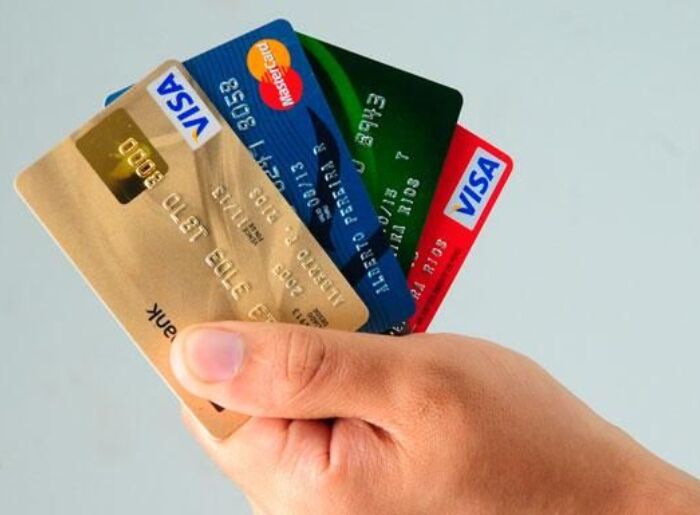
Credit cards are widely accepted and can be particularly convenient for hotel bookings, larger purchases, online payments, and situations where a merchant requires a card. However, some bookings may have limits or additional conditions depending on the card. Depending on the card, travelers may also receive rewards, cashback, lounge access, travel benefits, or other perks.
Credit card foreign transaction fees, currency conversion charges, and the exchange rate applied to a purchase can all affect how much you ultimately pay. Interest can also become a factor if the credit card bill is not paid in full by its due date. Another practical reason to carry a credit card, even when it is not your main payment method, is that it gives you a backup. If your forex card is declined or its balance runs low, having another internationally enabled card can prevent a payment problem from becoming a bigger inconvenience.
Is Carrying Cash Still Necessary For International Travel?

Despite the convenience of cards, carrying some local currency remains useful. Cash can cover tips, small purchases, street food, local transport, and payments at businesses that do not accept cards. It can also serve as an immediate backup if there is a problem with a payment terminal or your cards. The downside is that physical money can be lost or stolen and generally cannot be recovered. Travelers also need to consider exchange rates and conversion fees when buying foreign currency, as well as the potential cost of exchanging unused notes after the trip. For this reason, cash is generally more practical for smaller everyday expenses than for funding an entire international trip.
Forex Card Vs Credit Card Vs Cash: How Do They Compare?

When it comes to exchange rates, forex cards allow travelers to load currency at the applicable rate before spending it. Credit card purchases are converted using the applicable rate when the transaction is processed, while the exchange rate for cash is determined when you purchase the foreign currency. Charges also vary, with forex cards potentially carrying ATM fees, credit cards involving foreign transaction or currency conversion charges, and cash carrying conversion costs.
Security and acceptance are also important considerations as a lost forex and credit cards can generally be blocked, whereas misplaced or stolen cash is difficult to recover. Credit cards are widely accepted internationally, while forex cards work at many merchants and ATMs depending on the payment network. Cash remains useful for smaller merchants and situations where electronic payments are unavailable. For budgeting, forex cards can make it easier to stay within a planned amount because you spend from a prepaid balance. Credit cards provide greater flexibility but require closer attention to spending and repayment. Cash also creates a natural spending limit, although keeping track of individual purchases can be more difficult.
Should You Carry More Than One Payment Method Abroad?
When considering the best way to carry money abroad, using a combination of payment methods is often more practical than relying on a single option. A forex card can cover regular expenses, while a credit card can be kept for bookings, larger transactions, or emergencies. Carrying a limited amount of local cash is also useful for smaller payments where cards may not be accepted. Before leaving India, check whether your cards are enabled for international transactions and review any foreign transaction, ATM, and currency conversion charges. The right combination will also depend on your destination, stopovers, and local payment habits, especially if you are traveling through multiple countries with different currencies.
Planning a quick international getaway? Discover destinations Indians can visit from Mumbai within a 4 to 6-hour flight.
Author’s Note
The information in this guide has been compiled primarily from official Reserve Bank of India guidelines, along with current information from HDFC Bank and SBI Card. These sources were used to explain forex regulations, cash exchange, forex card charges, international credit card transactions, and potential foreign transaction fees. Since exchange rates, fees, and card terms can change, travelers should check the latest terms with their bank or authorized forex provider before making a transaction.
Summing Up
There is no single payment method that covers every situation abroad. Forex cards offer prepaid spending and exchange-rate certainty for the currency already loaded, while credit cards provide flexibility and broad acceptance. Cash remains useful for small purchases and places where cards are not accepted. Instead of relying entirely on a single option, consider your destination, spending habits, and available payment options while travelling abroad before deciding what combination to carry. Understand the charges before you travel and keep at least one backup available in case your primary payment method does not work.