
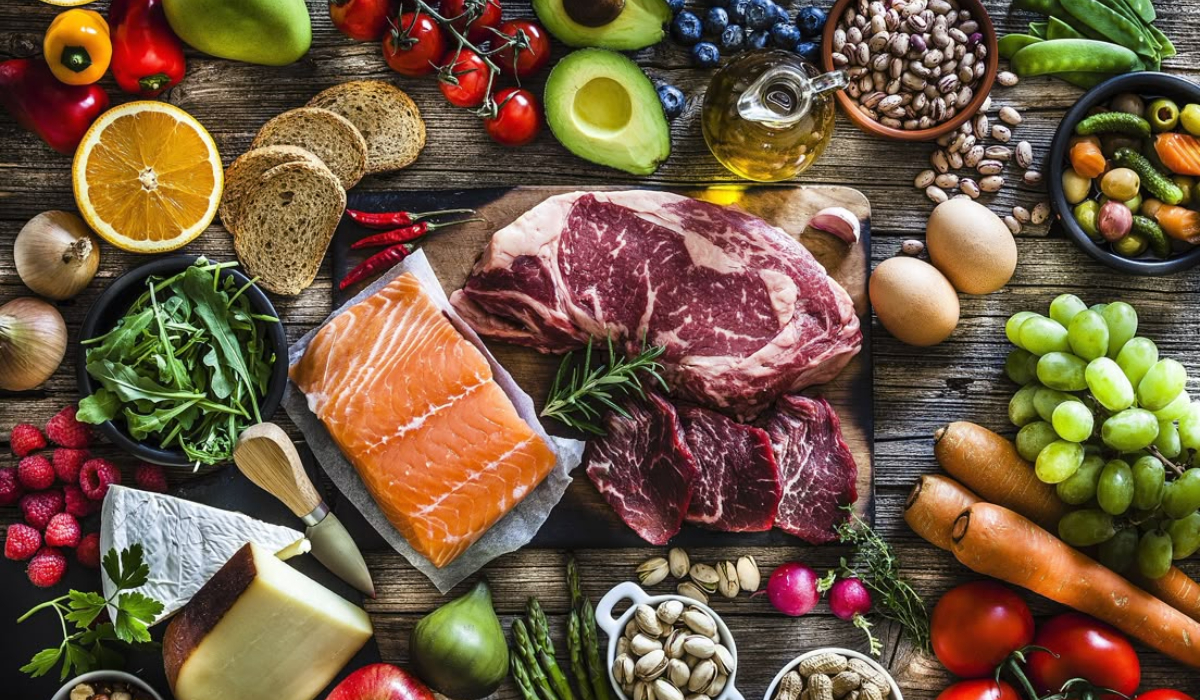
Food is usually one of the most impressive aspects of a trip; sampling a local specialty, shopping at a local market, or coming across a restaurant in a neighbourhood can teach you a lot about a place and its culture. Yet travelling can disturb the eating habits that you have at home.
Long trips, unfamiliar foods, irregular mealtimes, and eating out more often can make it hard to keep a balanced routine. However, you don’t need to skip local specialties or worry about every meal to stay healthy while traveling. By making a few smart choices, you can enjoy new foods and still take care of yourself.
Why Is It Harder To Eat Healthy While Traveling?
An early flight might mean skipping breakfast; a packed sightseeing schedule can push lunch into the afternoon; and unfamiliar surroundings may leave you unsure where to find food that suits your needs. Eating out more frequently also means having less control over ingredients and preparation methods. Researching restaurants and grocery stores, keeping snacks available, and knowing your dietary requirements before departure can reduce the number of last-minute food decisions you need to make during the trip.
Traveling during the rains? Know which monsoon street foods to avoid to reduce the chances of food-related trouble.
7 Practical Food Tips
1. Research Where You Want To Eat
Before you arrive at your destination, look up restaurants, cafes, grocery stores, and markets. Make sure to save some places near your accommodation, as well as others close to the attractions you intend to visit. This will be especially useful after a long day, when convenience might otherwise decide what and where you eat. Ask residents about places they enjoy rather than limiting yourself to restaurants in major tourist areas.
Discover authentic Ho Chi Minh food items you can look for while browsing local supermarkets.
2. Choose Freshly Prepared And Local Food
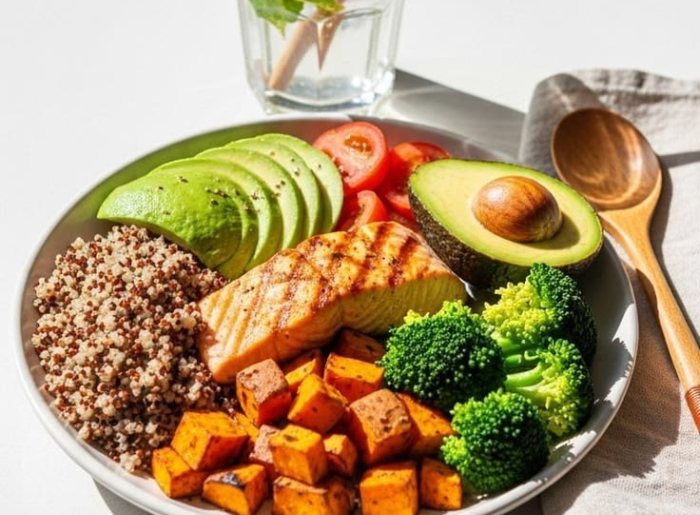
Local markets are great for finding seasonal fruits, vegetables, and other ingredients. You can use these to cook your own meals or have a healthy snack with you during the day.
3. Pack Snacks For Long Travel Days
Flights, road trips, train rides, and sightseeing don’t always match up with regular mealtimes. Carrying a snack in your bag helps you avoid going too long without eating or having to settle for whatever is available. Pick snacks that are easy to carry, and if you’re traveling internationally, check the rules about bringing food. Some places don’t allow certain foods, especially fresh produce, across their borders.
Explore these healthy cafes in Delhi for wholesome and flavorful options.
4. Keep Yourself Hydrated
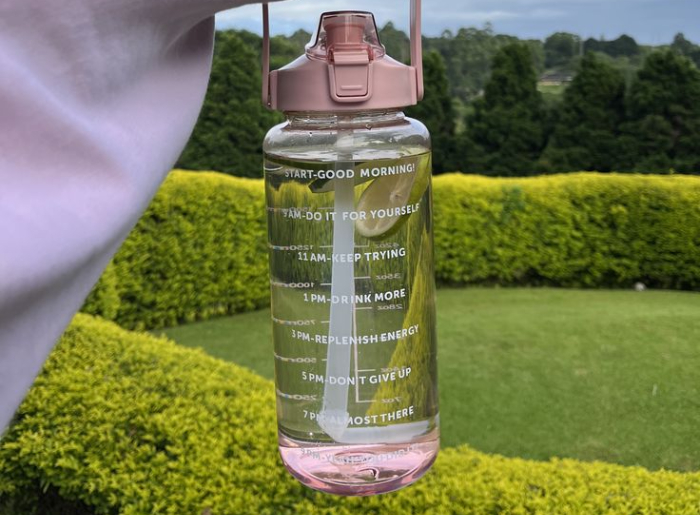
On busy travel days, it’s easy to forget to drink water, especially if you’re walking a lot or in a hot place. Carry a reusable water bottle to make it easier to stay hydrated and cut down on single-use plastic. If the tap water isn’t safe to drink, go for purified water or factory-sealed bottled drinks. Be careful with ice, since it might be made from tap water.
5. Pay Attention To How Your Food Is Prepared
Menus don’t always explain how dishes are made; therefore, if you have dietary needs, don’t hesitate to ask about the ingredients or how the food is prepared.
6. Prepare Some Meals Yourself
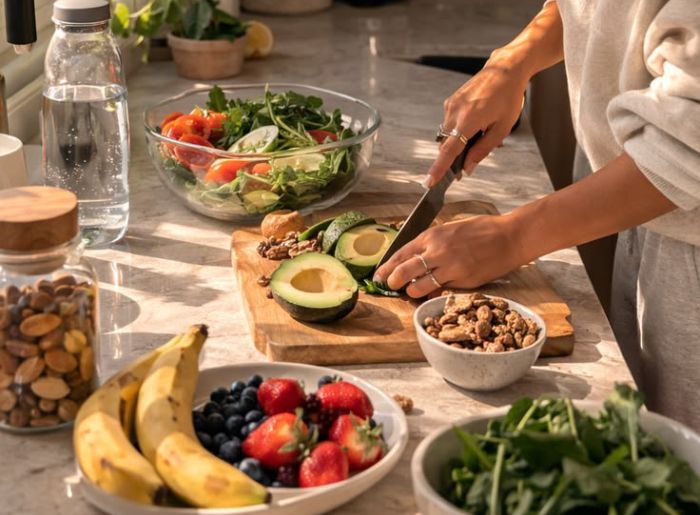
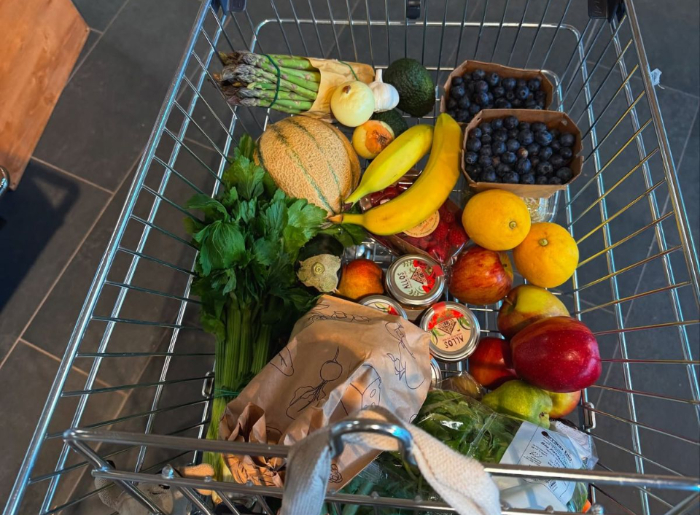
If you have access to a kitchen, try making breakfast or a simple meal instead of eating out for every meal. Shopping at local stores or markets gives you more control over your food and lets you try ingredients locals use. Markets are also a great way to find seasonal produce and regional specialties you might not see in restaurants.
7. Plan Ahead
You don’t have to stick to your usual routine perfectly to eat well while traveling. Before you go, think about any foods you need to avoid and your dietary needs. Knowing this ahead of time makes choices easier when you arrive. At the same time, food is part of the travel experience. Leave room to explore local recommendations and dishes you may never have the chance to try again.
Read Dr. Namita Jain’s insights on fitness and superfoods and building healthier everyday habits.
What Are The Best Healthy Snacks To Pack For Travel?
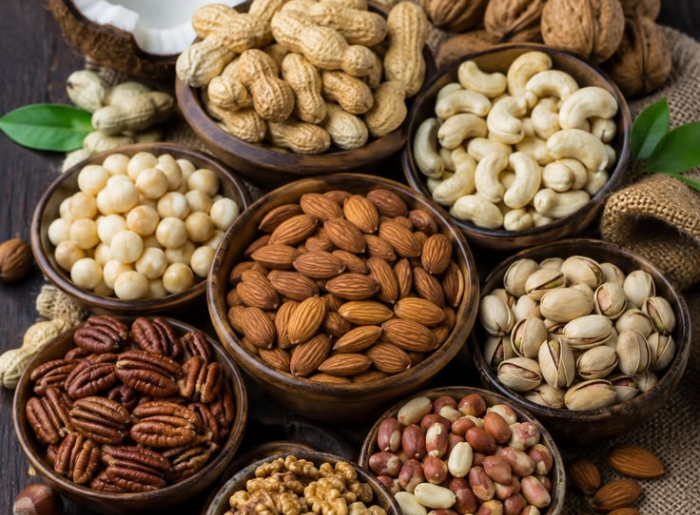
Portable snacks can be particularly useful at airports, on long journeys, or during sightseeing days when your next meal may be several hours away. Options mentioned in the shared information include:
- Nuts: Compact and convenient for carrying during a busy travel day.
- Dried fruit: Easy to pack without taking up much luggage space.
- Trail mix: A practical option for flights, road trips, and long sightseeing days.
- Granola: Useful when you need something quick between scheduled meals.
- Fresh local fruit: When you arrive, check out local markets for seasonal fruit you can enjoy throughout the day.
How Can You Enjoy Local Food While Making Safer Choices?
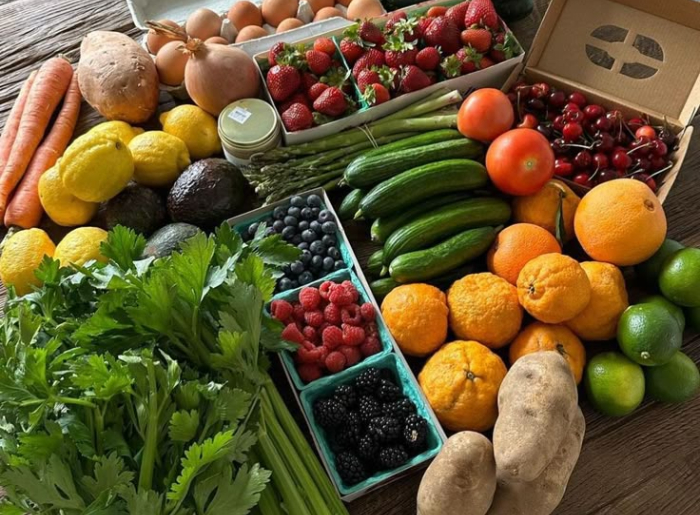
Trying local dishes should still be part of your trip. The goal isn’t to avoid unfamiliar food, but to find a balance and pay attention to food hygiene when needed.
- Try the regional specialties: Local cuisine can be an important way to understand a destination, so leave space in your itinerary for dishes you genuinely want to experience.
- Balance richer meals: If you have a big lunch, keep your next meal lighter instead of making every meal an overindulgence
- Look for busy food stalls: In areas where street food is popular, favor stalls with a high turnover of customers and freshly prepared food.
- Choose thoroughly cooked food: When hygiene is a concern, look for live stalls, as they cook your meal freshly and in front of you; also keep a lookout for the general cleanliness of the restaurant or stall.
- Be cautious with raw produce: In destinations where water safety is uncertain, take care with raw salads, unpeeled fruit, and vegetables that may have been washed in unsafe water.
- Watch the water and ice: If local tap water is considered unsafe for travelers, stick to safe drinking water and avoid ice made from tap water.
Summing Up
Checking out a few restaurants, packing snacks, staying hydrated, choosing fresh foods, and watching how food is prepared and handled can make trying new cuisines much easier. Most importantly, don’t let sticking to a routine keep you from enjoying your trip. Local food is a big part of travel, and with a bit of planning, you can enjoy new experiences while making choices that help you feel good and energized along the way.