
India’s breakfast table changes remarkably from one state to another. A morning in Punjab might begin with a hot stuffed paratha, while West Bengal has puffed luchis with spiced potatoes. In Maharashtra, breakfast can be fiery and layered, while southern India brings fermented batters, lentils, rice, and coconut to the table. In the Northeast, rice, fresh vegetables, and smoked meats take on a more prominent role.
This Independence Day 2026, breakfast can be an opportunity to explore that culinary range. Instead of limiting the celebration to dishes inspired by the colors of the national flag, consider a table that reflects India’s regional food traditions and the communities that have shaped them.
India’s Food And Cultural Diversity
Indian food cannot be described by just one set of ingredients or cooking methods. The land, weather, farming, movement of people, religion, and local habits have all shaped how people cook and eat. Wheat breads are common in northern India, while rice, lentils, and fermented batters are the base of many southern breakfasts. Western India has its own styles using grains, beans, dairy, and strong spices, while the Northeast uses a lot of rice, fresh vegetables, smoked meats, and local foods.
Breakfast gives a clear look at these differences. The same morning meal can be crispy, steamed, fermented, fried, a little sweet, very spicy, or simply plain depending on the place. On Independence Day, sharing these regional dishes is a way to celebrate not just Indian food, but the cultural variety behind it.
North Indian Breakfasts For Independence Day
Aloo Paratha, Punjab
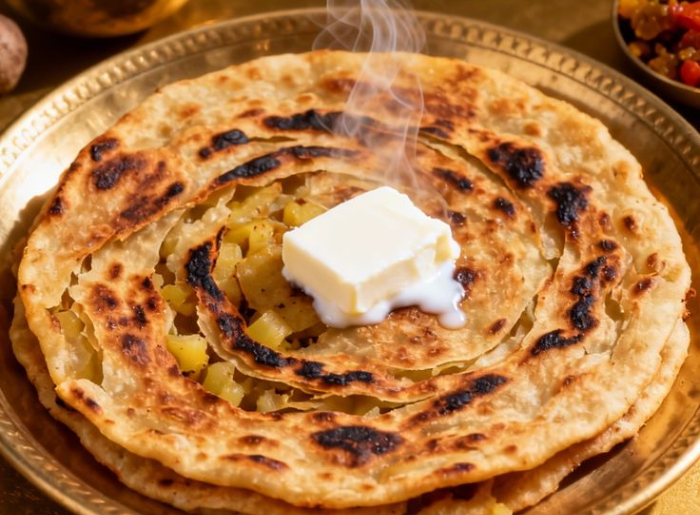
A Punjabi breakfast favorite, aloo paratha wraps a warmly spiced mashed-potato filling in soft whole-wheat dough. Cooking it on a hot tawa with ghee creates a golden exterior with crisp patches while keeping the center soft. Green chilies, coriander, and spices give the filling its savory kick, while white butter, curd, and pickle add richness, coolness, and acidity.
Chole Bhature, Punjab
Closely associated with Punjab and widely loved across North India, Chole Bhature is unapologetically rich and filling. The chickpeas are cooked in an aromatic, tangy gravy with a pronounced spice profile, while freshly fried bhature are airy inside with a lightly crisp exterior. Onions and pickles help cut through the richness.
Amritsari Kulcha, Punjab
From Amritsar, Amritsari Kulcha is known for its blistered outside and tasty filling. Potato is usually mixed with onion, coriander, green chilies, and spices before being wrapped in dough. Cooked at high heat and finished with butter, the kulcha is crispy, buttery, tangy, and especially good with chole.
East Indian Breakfasts For Independence Day
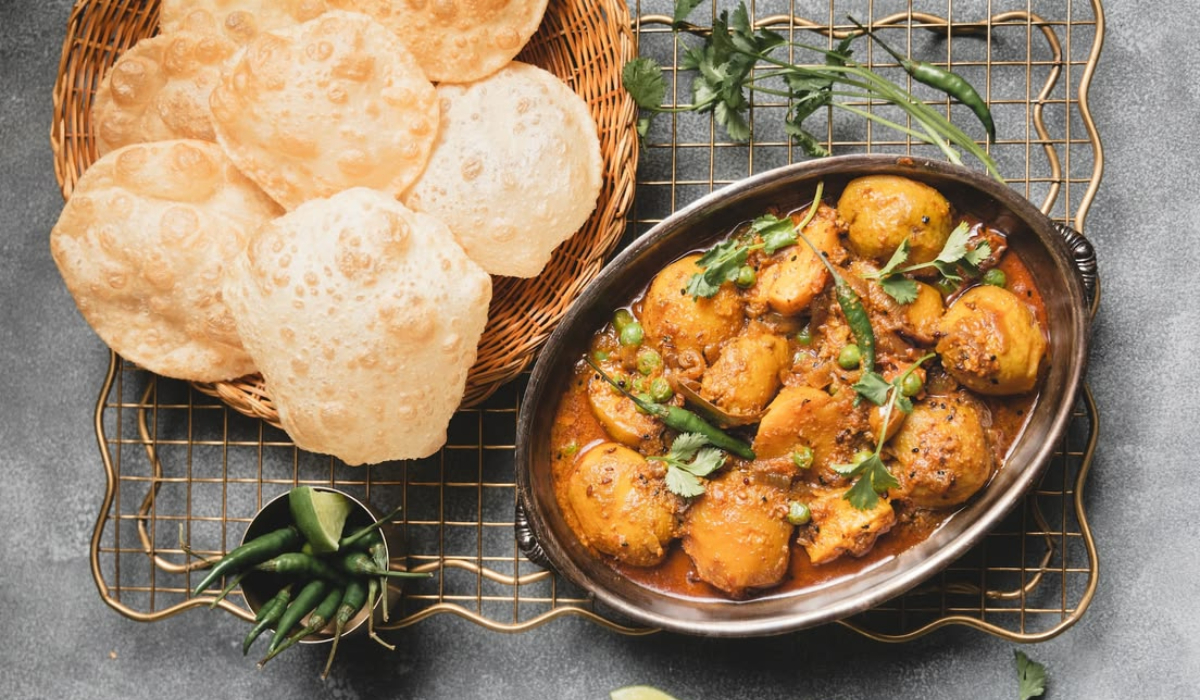
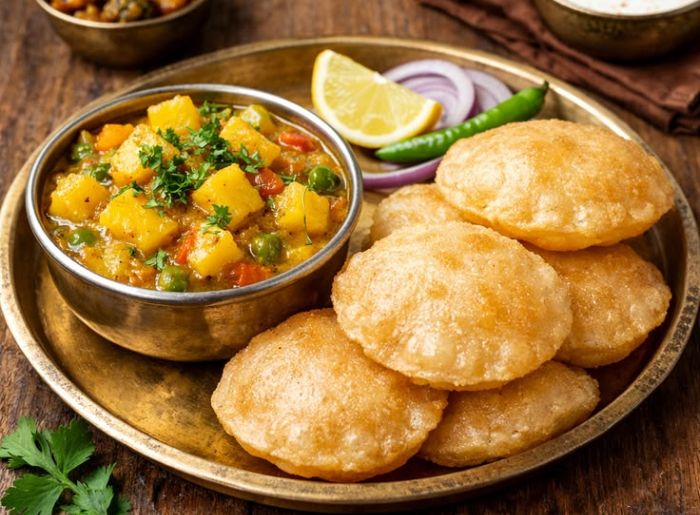
Luchi And Aloo Dum, West Bengal
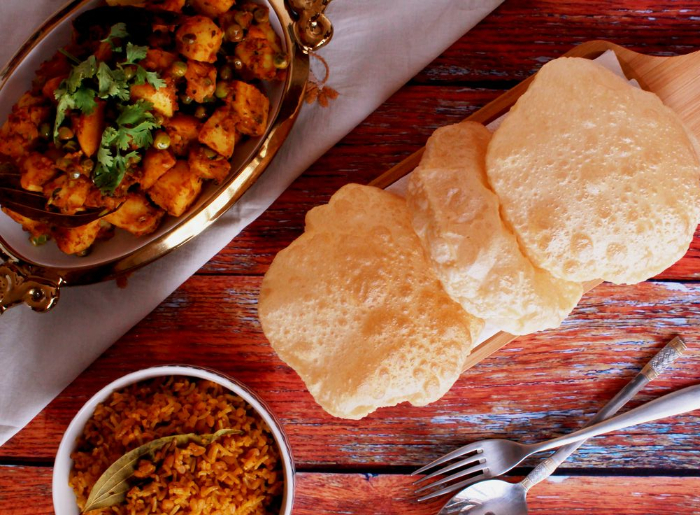
A classic Bengali combination, Luchi and Aloo Dum balances delicate fried bread with a deeply flavored potato preparation. Luchi is made with refined flour, which gives it a softer texture and paler appearance than whole-wheat puri. The mildly flavored bread provides an ideal base for aromatic aloo dum, with its tender potatoes and spiced gravy.
Sweet Poha Or Phale, Tripura
Linked to Tripura and popular in parts of West Bengal, Sweet Poha, or Phale, uses flattened rice in a very different way from savory poha. Mixed with milk, yogurt, or cream and sweetened with jaggery, it is soft and creamy, with the gentle caramel-like sweetness of jaggery giving the dish its flavor.
West Indian Breakfasts For Independence Day
Misal Pav, Maharashtra
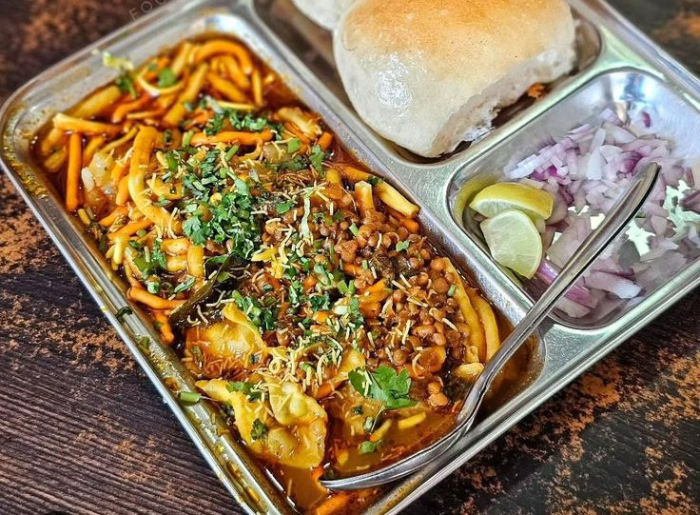
Maharashtra’s Misal Pav is a breakfast for those who like strong heat. Spicy sprouted moth beans are served with hot gravy, crunchy farsan, chopped onions, coriander, and lemon, then eaten with soft pav bread. The mix is spicy, tangy, crunchy, and savory in almost every bite.
Thalipeeth, Maharashtra
Thalipeeth is a simple Maharashtrian flatbread usually made from bhajani, a roasted mix of different grains. Onion, coriander, chilies, and spices add extra flavor. Unlike soft roti, Thalipeeth has an earthy, nutty taste and gets crispy edges when cooked, giving it a unique texture and flavor.
Shrikhand, Maharashtra And Gujarat
Closely associated with Maharashtra and Gujarat, Shrikhand brings sweetness to the breakfast table. Strained yogurt gives it a dense, silky texture, while sugar, cardamom, and saffron create a fragrant sweetness with a gentle tang from the yogurt. Nuts are often added for crunch.
Also Read: Independence Day 2026: 10 Places That Played A Significant Role In India’s Freedom Struggle
South Indian Breakfasts For Independence Day
Idli, Vada & Sambar, Tamil Nadu And Karnataka
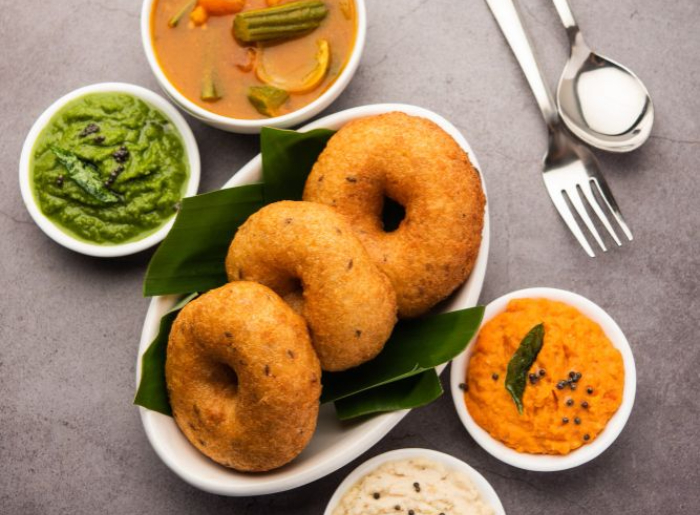
Popular across southern India, especially Tamil Nadu and Karnataka, this combination works by contrast. Idlis are soft and slightly tangy; medu vadas are savory and crispy; and sambar brings warmth and sourness, along with vegetables, lentils, and spices. Coconut chutney adds a cool, creamy touch to the plate.
Dosa, South India
Dosa is one of southern India’s most recognizable breakfasts, made from fermented rice and lentil batter cooked on a hot griddle. Fermentation gives it a subtle tang, while cooking it thin creates its signature crispness. It can be eaten plain or filled with spiced potatoes, usually alongside sambar and coconut chutney.
Puttu And Kadala Curry, Kerala
A traditional Kerala pairing, Puttu and Kadala Curry relies on two very different flavor profiles. Steamed rice flour layered with grated coconut gives puttu a soft, crumbly texture and delicate flavor. Kadala curry provides the counterpoint with earthy black chickpeas, coconut, and warming spices.
Northeast Indian Breakfasts For Independence Day
Rice And Bai, Mizoram
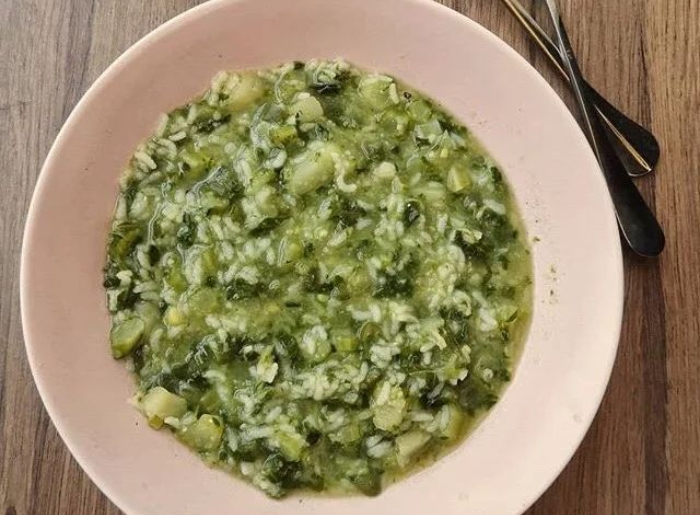
In Mizoram, Bai reflects a cooking tradition that keeps vegetables and greens central to the dish. The comforting preparation can include seasonal vegetables, bamboo shoots, and, in some versions, pork. Served with rice, it is savory and relatively light, with cleaner flavors than heavily spiced gravies.
Rice With Smoked Pork Or Vegetables, Nagaland
Rice is central to Naga food traditions and is often paired with vegetables, greens, or meat. Smoked pork gives the meal a particularly distinctive character, adding a deep, woody savoriness that works alongside chilies and other local ingredients. The result is hearty and flavorful without depending on elaborate spice blends.
What To Serve With These Regional Breakfasts
The right accompaniments can complete a regional breakfast. Aloo Paratha works particularly well with white butter, curd, and pickle, while Amritsari Kulcha calls for chole and chutney. Misal Pav benefits from fresh onions and lemon, while sambar and chutneys traditionally accompany Idli, Vada, and Dosa. For Puttu, Kadala Curry provides the essential spicy contrast, while Shrikhand can bring a cooling, sweet finish to a larger breakfast spread.
Also Read: Independence Day 2026: Pre-Independence Eateries In India That Are Still Operational Today
Summing Up
India’s regional breakfasts tell stories about local ingredients, cooking traditions, and generations of cultural exchange. From Punjab’s buttery breads and Maharashtra’s fiery Misal Pav to Kerala’s coconut-rich Puttu and Nagaland’s smoky flavors, no two regions approach the morning meal in quite the same way. For Independence Day 2026, exploring these regional dishes offers a delicious way to celebrate the diversity that defines India, one breakfast plate at a time. From the wheat fields of Punjab to the lush hills of the Northeast, what’s served for breakfast tells a story about the land and the people who live there.