
In the scenic valley of Chamba, set against the backdrop of majestic mountains and breathtaking greenery in Himachal Pradesh, the Chamba Minjar Mela is one of North India’s most vibrant cultural celebrations. Every monsoon, this historic festival transforms the picturesque town into a lively destination where centuries-old traditions, colorful processions, devotional rituals, folk music, and royal customs come together in a week-long celebration. Visitors from across India and abroad gather to witness the unique blend of spirituality, agriculture, and local heritage that has defined Chamba for generations. Recognized as Himachal Pradesh’s celebrated monsoon harvest festival, Minjar symbolizes prosperity, communal harmony, and devotion. Beyond its cultural performances and festive atmosphere, the fair preserves the royal traditions and folklore that continue to make it one of the state’s most cherished annual events.
When Is Chamba Minjar Mela 2026?
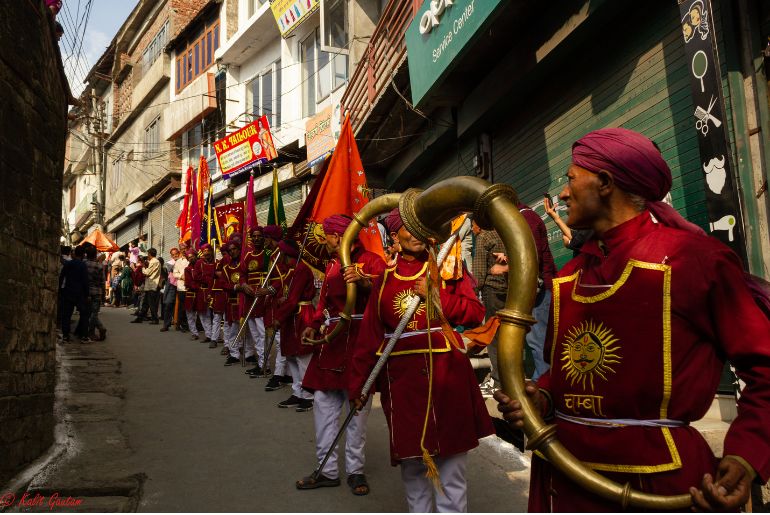
The International Minjar Fair 2026 will be celebrated from Sunday, July 26 to Sunday, August 2, 2026. It unfolds over eight days, with each day featuring traditional ceremonies, cultural performances, sporting events, and religious observances. The celebrations culminate in a spectacular royal procession and the symbolic immersion of Minjar offerings into the Ravi River.
The festival marks the beginning of the harvest season while commemorating historical victories and expressing gratitude for agricultural abundance. Here are the important dates of the Chamba Minjar Mela 2026:
| Event Milestone | Date (2026) | Key Rituals & Highlights |
| Minjar Flag Hoisting | July 26, 2026 (Sunday) | Official opening ceremony at Chowgan ground with silk tassel distribution. |
| Cultural Evenings And Fairs | July 27 to Aug 1, 2026 | Folk music, Himachali dance, sports events, and local handicraft expos. |
| Royal Procession And Visarjan | August 2, 2026 (Sunday) | Grand parade from Akhand Chandi Palace to the Ravi River for Minjar immersion. |
Throughout the festival, visitors can enjoy artisan markets showcasing Chamba’s famous handicrafts, traditional textiles, woodwork, metal crafts, and local cuisine. Evening cultural programs feature renowned folk performers alongside invited artists. This means that every day of the celebration is unique.
What Is Chamba Minjar Mela?
The word “Minjar” refers to the distinctive silk tassel that forms the central symbol of the festival. Men and women traditionally wear this colorful tassel on their clothing throughout the celebrations. The tassel represents the golden blossoms of maize and paddy crops that begin appearing during the monsoon season, signifying the promise of a plentiful harvest and prosperity for farming communities.
The Minjar tassel embodies gratitude toward nature and serves as a prayer for abundant crops, peace, and collective well-being. It also symbolizes the close relationship between agriculture, faith, and everyday life in the Himalayan region.
One of the festival’s most important customs is the Vedic offering, locally known as Lohan. Families prepare a red cloth containing sacred items, including a coconut, a coin, seasonal fruits, and a Minjar tassel. During the concluding ceremony, these offerings are respectfully immersed in the Ravi River while devotees pray for prosperity, good harvests, health, and protection from natural calamities.
History And Significance Of This Mela
The origins of the Chamba Minjar Mela are rooted in both history and folklore, making it one of Himachal Pradesh’s most fascinating cultural festivals.
The Victory Legend (935 AD)
According to local tradition, the festival commemorates the victory of the King of Chamba over the ruler of Trigarta (present-day Kangra) around 935 AD. Upon returning victorious, the king was welcomed by his subjects with ears of ripened maize and paddy, symbols of prosperity, peace, and agricultural abundance.
The royal celebration gradually evolved into an annual festival, where the presentation of maize and paddy transformed into the silk Minjar tassel that is now worn by participants throughout the celebrations.
Over time, the event became both a harvest festival and a commemoration of unity, prosperity, and the kingdom’s rich heritage.
The Diverted River Legend
Another cherished legend connects the festival to the mighty Ravi River. It is said that the river once flowed dangerously close to the Lakshmi Narayan Temple, making it difficult for devotees to reach the sacred shrine.
According to folklore, learned Brahmins from Banaras conducted a seven-day yajna seeking divine intervention. Their prayers were answered when the river miraculously changed its course. Pilgrims were able to safely access the temple. In gratitude for this blessing, devotees began offering sacred items into the Ravi River during the Minjar celebrations.
This tradition continues today through the ceremonial immersion of the Lohan offering, symbolizing thanksgiving, faith, and divine protection. Together, these historical narratives and religious beliefs have shaped the enduring legacy of the Minjar Mela.
What Visitors Can Expect At The Mela
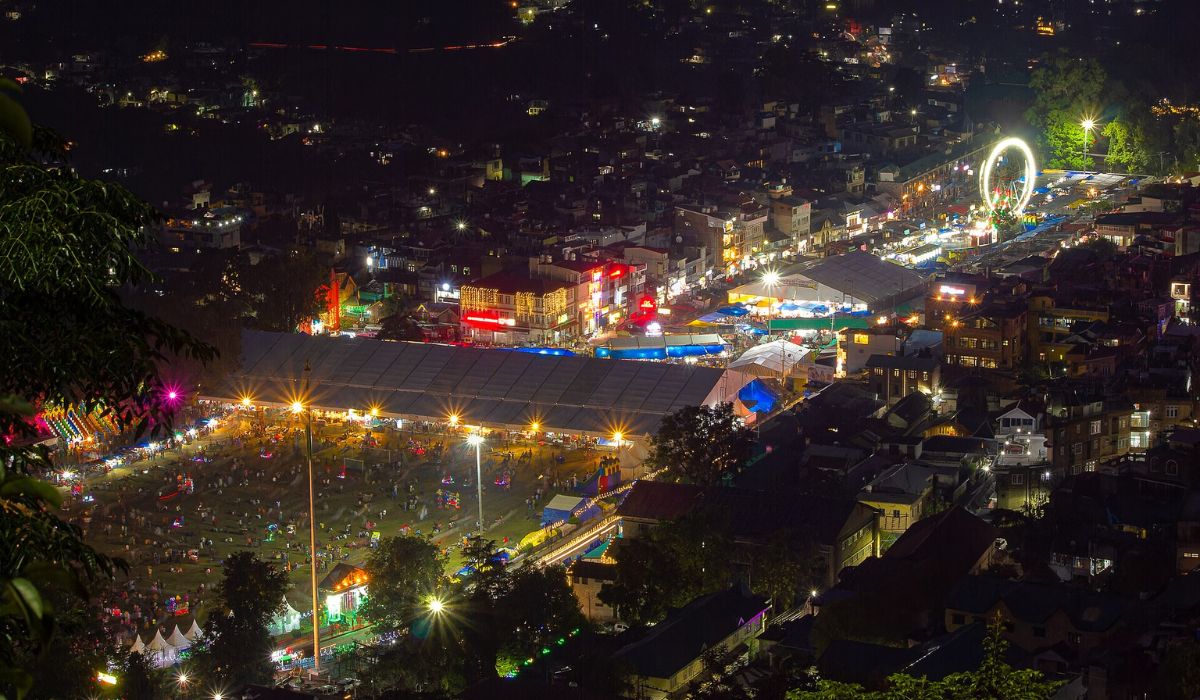
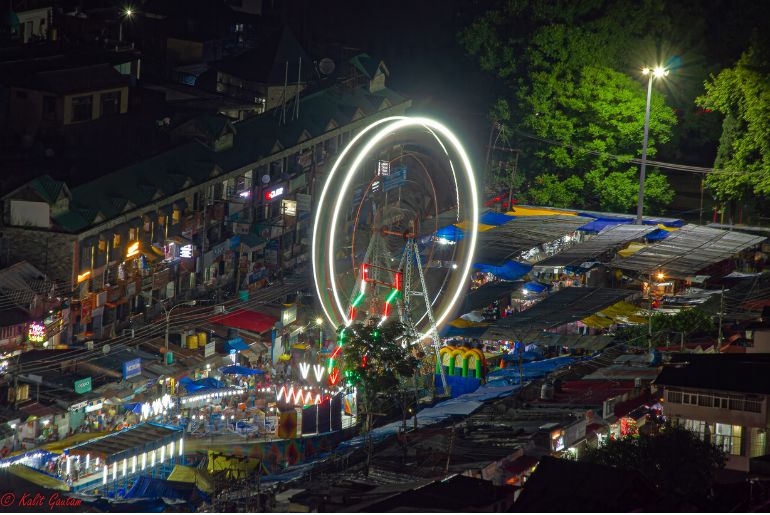
During Minjar Mela, the iconic Chowgan Ground becomes the vibrant heart of Chamba’s festivities. The expansive open ground transforms into a colorful fairground lined with handicraft stalls, traditional food vendors, amusement rides, exhibitions, and cultural pavilions.
Visitors can browse locally made Chamba rumals, woolen products, wooden carvings, and handcrafted souvenirs while enjoying authentic Himachali hospitality. Food lovers can savor regional specialties such as Chamba Dham, a traditional festive meal served during celebrations, along with local sweets and seasonal delicacies.
Each evening features cultural performances showcasing Himachali folk dances, classical music, devotional singing, and performances by invited artists and celebrity singers. This festive atmosphere continues well into the night.
It crescendoes with the magnificent Shobha Yatra on the closing Sunday. The ceremonial procession includes beautifully decorated palanquins carrying local deities (Devtas), traditional musicians playing Ransingha and Nagara, folk performers, police bands, and thousands of devotees moving through Chamba’s historic streets before reaching the Ravi River for the sacred immersion ceremony.
How To Reach The Chamba Minjar Mela?
Reaching Chamba is convenient through multiple transport options.
How to Reach
By Air: The nearest airport is Gaggal Airport (Kangra/Dharamshala), approximately 120 km from Chamba. Taxis and buses are readily available from the airport.
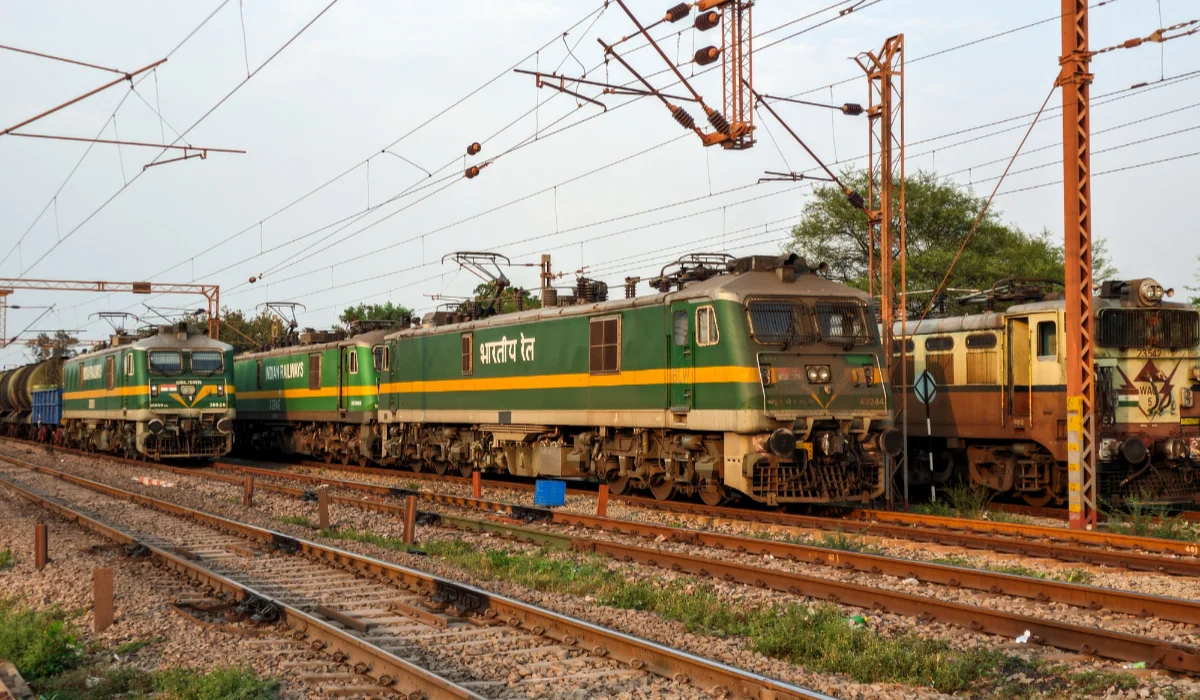
By Rail: Pathankot Railway Station, about 120 km away, serves as the nearest major railhead. Travelers can continue by taxi or Himachal Road Transport Corporation (HRTC) buses.
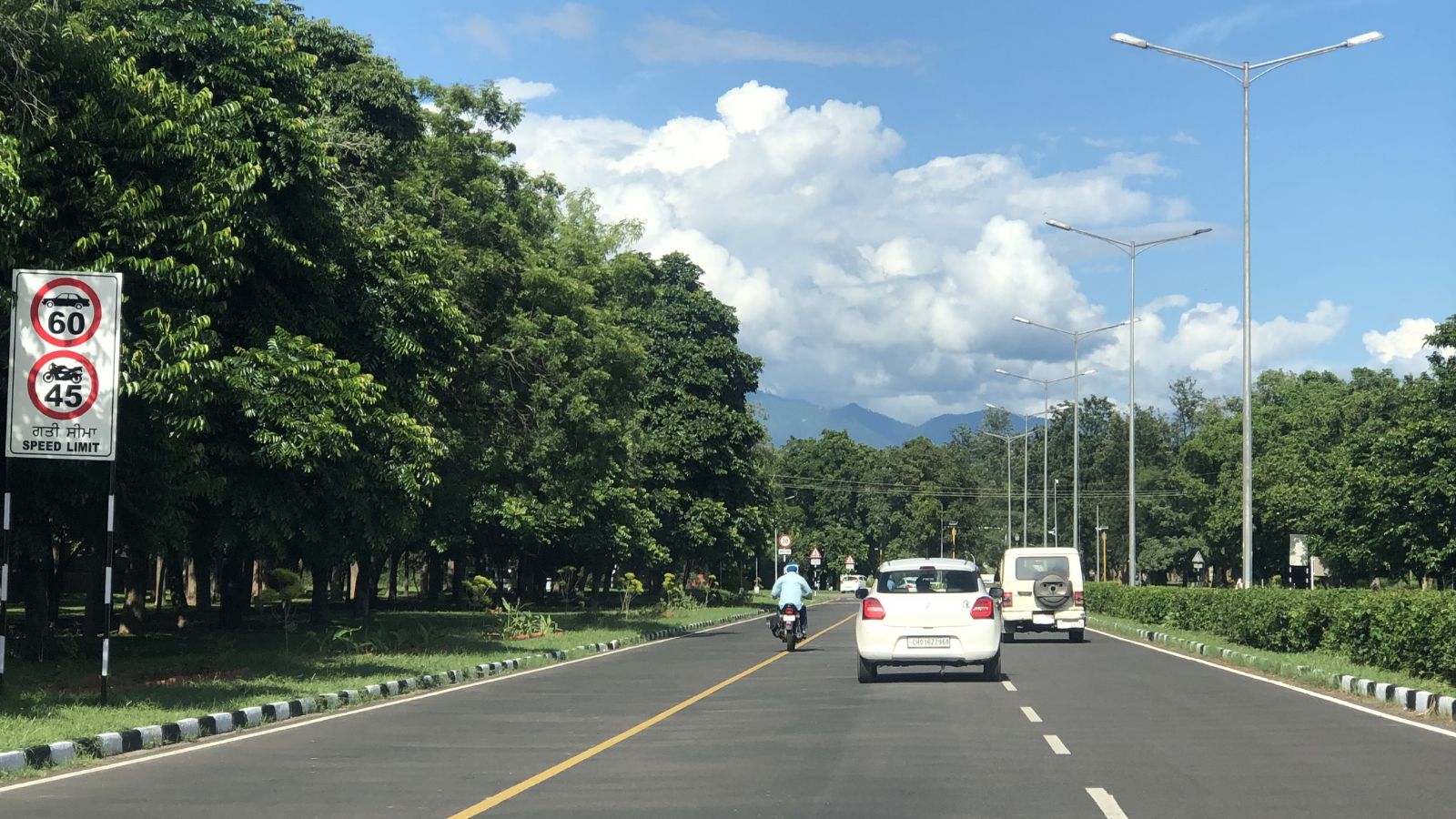
By Road: Chamba enjoys good road connectivity with Delhi, Chandigarh, Shimla, Dharamshala, and nearby towns through regular overnight buses and private taxis.
How To Pick Your Stay
Since Minjar Mela attracts thousands of visitors, hotels, guesthouses, and homestays often reach full occupancy well before the festival begins. Booking accommodation several months in advance is strongly recommended.
Things To Do And Nearby Places To Visit
Extend your visit by exploring nearby destinations including Khajjiar, often called the “Mini Switzerland of India,” the hill station of Dalhousie, and the historic Laxmi Narayan Temple, one of Chamba’s most important religious landmarks.
Also Read: 8 Places To Visit In Himachal During Monsoon
Summing Up
The Chamba Minjar Mela 2026, taking place from July 26 to August 2, is a vibrant celebration of Himachali heritage, agricultural prosperity, royal history, and spiritual devotion. It has endured for centuries. From colorful silk Minjar tassels and sacred river rituals to lively cultural performances and grand processions, every aspect of the festival reflects the rich traditions of the Chamba Valley. Whether you are a cultural enthusiast, history lover, photographer, or traveler seeking authentic mountain experiences, attending the Minjar Mela provides a memorable opportunity to experience the warmth, hospitality, and timeless customs of Himachal Pradesh.