

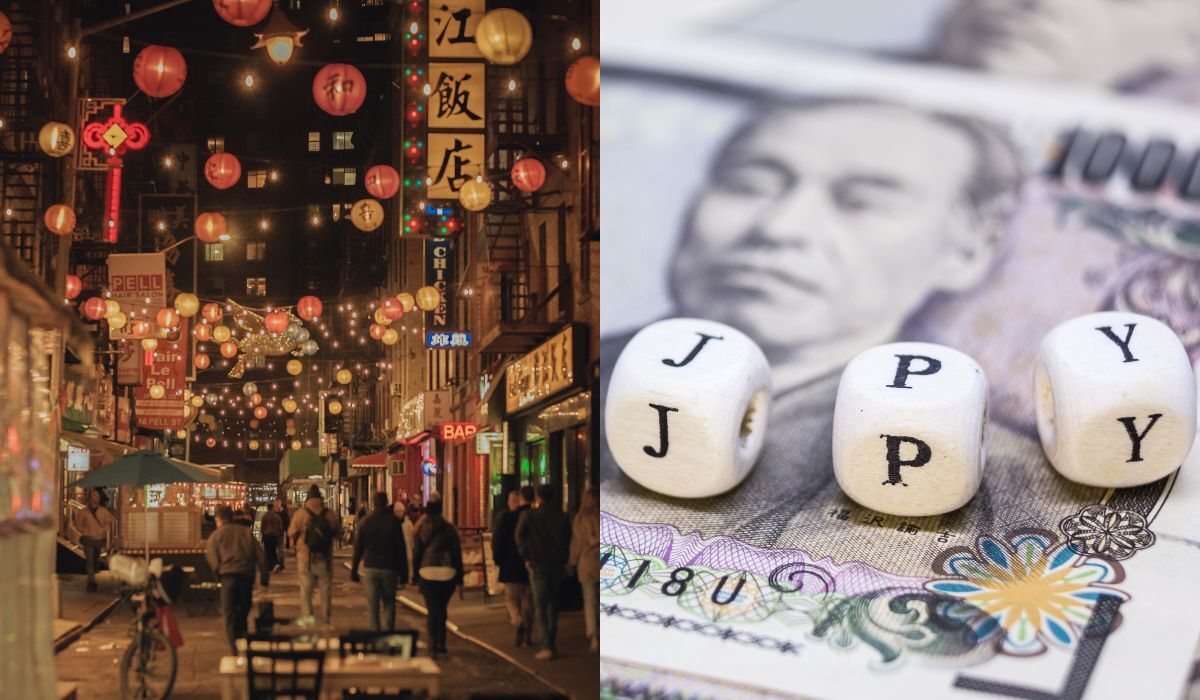
For a long time, Japan was viewed by Indian travelers as an impossibly expensive destination, relegated to high-budget bucket lists alongside Western Europe and North America. However, the travel landscape has shifted dramatically. With the Japanese Yen hovering near historic lows against the Indian Rupee (around 1 JPY=INR 0.59), a flat INR 500 embassy visa fee for Indian passport holders, and a wave of affordable low-cost carrier (LCC) air routes, Japan is now genuinely budget-friendly for Indians. If you plan strategically, a seven- to ten-day trip to Japan can cost roughly INR 1,000,000 to INR 1,30,000 per person (including flights and visa), putting it on par with a trip to Dubai, Vietnam, or Bali.
Can Japan Be A Budget-Friendly Destination For Indians? Cost Breakdown
| Expense Category | Estimated Cost (INR) | Budget Strategy |
| Visa Fee | INR 500 (plus VFS fee) | Standard single or multi-entry tourist visa |
| Round-Trip Flights | INR 38,000 to INR 55,000 | Booking connecting flights via KUL/BKK or LCC sales |
| Accommodation | INR 2,000 to INR 3,500 per night | Capsule hotels, hostels, and business hotels (APA, Toyoko Inn) |
| Food & Convenience | INR 1,200 to INR 2,000 per day | Konbini meals (7-Eleven, Lawson), ramen shops, Yoshinoya |
| Local Transport | INR 600 to INR 1,200 per day | IC cards (Suica/Pasmo), local subways, overnight buses |
How To Prepare For Your Japan Trip: Step-By-Step Guide
Here’s how you should prepare for your Japan trip before your actual departure:
1. Three To Four Months Out: Hack Flight Routings
Look beyond expensive direct flights. Connecting flights through hubs like Kuala Lumpur (AirAsia), Bangkok (Thai VietJet), or Vietnam (VietJet) frequently drop round-trip fares between India and Tokyo/Osaka down to INR 38,000 to INR 45,000.
2. Two Months Out: Apply For The INR 500 Japan Visa
Submit your application via VFS. While Japan revised its global visa rates, Indian passport holders enjoy a concessional flat fee of INR 500 for tourist visas. Make sure your bank statements show a consistent balance (approx. INR 1.5 to INR 2 Lakhs per applicant).
3. One Month Out: Skip The All-Japan JR Pass (Unless Crucial)
Following major price hikes in recent years, the nationwide JR Pass rarely pays off for basic itineraries (Tokyo to Kyoto to Osaka). Instead, buy point-to-point Shinkansen tickets or use regional rail passes (like the Kansai Thru Pass).
4. One Week Out: Load Digital Transit And Currency Apps
Add a digital Suica or Pasmo card directly to your Apple Wallet or load cash onto a physical Welcome Suica card at the airport. Download Google Maps (flawless for Japanese train platforms) and Google Translate for real-time camera translation.
Budget Hacks Indians Should Keep In Mind
Where To Eat: Konbini Stores, Budget Chains, And Veg Option
- Local Konbini Stores: Japanese convenience stores like 7-Eleven, FamilyMart, and Lawson are famous for high-quality, cheap food. You can get fresh onigiri (rice balls) for ¥150 (around INR 90), hot bento boxes for ¥500 (around INR 295 INR), and egg salad sandwiches for ¥250 (around INR 148 INR).
- Local Budget Chains: Eat at local budget fast-food chains like Sukiya, Yoshinoya, and Matsuya. A massive, hot bowl of beef gyudon with rice and miso soup costs under ¥600 (around INR 355 INR).
- Vegetarian Alternatives: Finding vegetarian food in Japan requires planning. Use the HappyCow app to locate local Indian restaurants or Buddhist temple restaurants (Shojin Ryori). In konbinis, look for plain sea-salt onigiri, edamame, and potato salads.
How To Travel Within Japan: Buses Over Bullet Trains
If you are moving between Tokyo and Osaka/Kyoto on a tight budget, instead of an INR 8,000+ Shinkansen (bullet train) ticket, book an overnight express bus like Willer Express. A ticket costs around ¥3,500 to ¥5,000 (around INR 2,000 to around INR 2,950) and saves you the cost of a night’s hotel room while moving you to your next destination.
Where To Stay: Accommodation Suggestions
- Capsule Hotels: These are ideal for solo travelers, offering clean, futuristic Pod-style beds for INR 1,800 to INR 2,500 per night.
- Business Hotels: Chains like APA Hotel or Toyoko Inn offer compact, ultra-clean private rooms with private bathrooms, free breakfasts, and stellar locations near major train stations for INR 3,500 to INR 5,000 per night.
Also Read: Japan Visa Guide For Indians: Requirements, eVisa & VFS Fees
Summing Up
Yes, Japan can absolutely be a budget-friendly destination for Indian travelers today. By taking advantage of the low embassy visa cost, leveraging favorable exchange rates, eating at local konbinis, and sticking to regional transport, a trip to Tokyo and Kyoto is now well within reach for the average Indian tourist.



One Response