

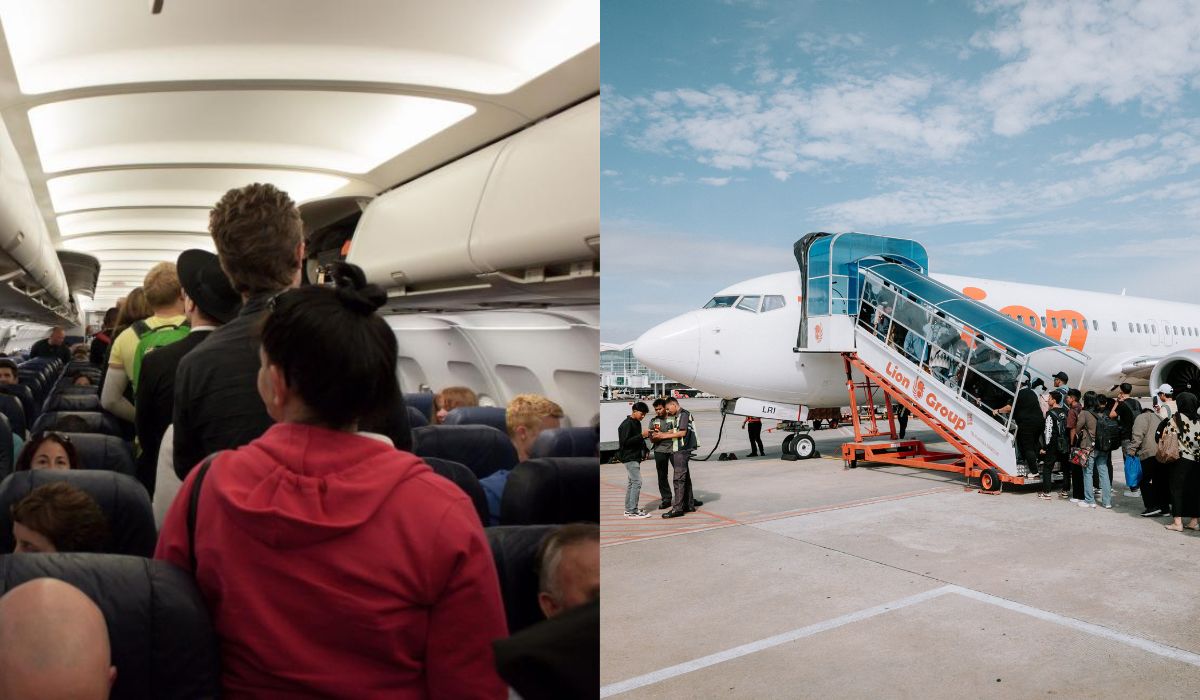
Has the quality of air travel declined over the years? Bring it up at a dinner party, and you’ll get an earful about shrinking seats, surprise fees, and endless lines. Ask the industry’s own numbers, though, and a messier picture emerges. By the data, 2025 was the safest, fullest, and most efficient year in commercial aviation history. Global airlines filled a record 83.6 per cent of every seat flown, according to the International Air Transport Association (IATA), and total fares, once inflation is factored in, are dramatically cheaper than they were fifty years ago.
Yet passenger complaints remain a constant, and “flying just isn’t what it used to be” has become one of travel’s most common refrains. That’s the paradox sitting at the center of this debate. This unstumbled guide sets out to explore why so many passengers feel air travel has become worse, look objectively at how the flying experience has changed over the past, and examine what the future of airline travel is, as carriers race to fix what they can actually control.
Was Air Travel Quality Better In The Past?
From A Global Perspective
The image is familiar: white tablecloths at 30,000 feet, real silverware, complimentary champagne, prime rib carved seat-side, passengers dressed in their Sunday best. This isn’t fabricated nostalgia. In the US, airlines in the 1960s and ’70s genuinely competed on service because, until 1978, they were legally barred from competing on price. Under the Civil Aeronautics Board, the federal body that controlled U.S. domestic routes and fares until the Airline Deregulation Act of 1978 took effect, carriers couldn’t undercut one another on ticket prices, so they competed with lounges, hot meals, and legroom instead. That glamor carried a steep price tag: a coast-to-coast round trip that costs a few hundred dollars today could easily equal $600 to well over $1,000 in today’s money back then.
From An Indian Perspective
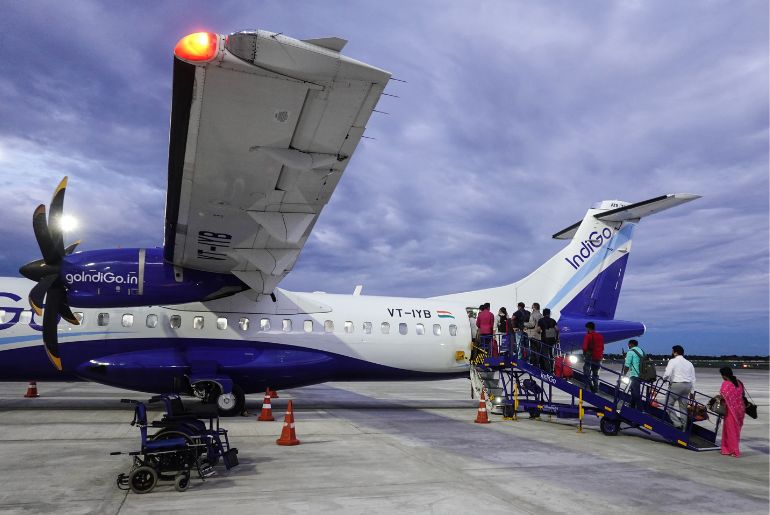
India, on the other hand, never experienced a long “golden age” of mass commercial flying with luxurious domestic service. Until the 1990s, air travel was largely limited to business travellers, government officials, and affluent families. Airlines such as Air India dominated the market, fares were high, and competition was limited. Everything changed after economic liberalization and the arrival of private airlines.
Over the next three decades, carriers such as IndiGo, SpiceJet, GoAir (later Go First), AirAsia India and Vistara reshaped the market by competing aggressively on price. More recently, the Air India Group consolidation and the growth of Akasa Air have continued to transform the industry. The biggest difference is accessibility. Flying between Delhi and Bengaluru, Mumbai and Kolkata, or Chennai and Hyderabad is no longer an occasional luxury. It has become routine for students, professionals, and even families.
The government’s UDAN regional connectivity programme has also expanded air travel beyond major metropolitan areas by supporting flights to smaller cities and underserved airports, bringing aviation to regions that previously had little or no scheduled service.
Why Are Flights Costlier But Less Comfortable?
If flying is objectively cheaper and safer, then the question arises: why are passengers unhappy with airlines? The answer lies less in any single failure than in an accumulation of smaller frictions.
Physically, flights have become less comfortable. Standard economy seat pitch, which is the distance from a point on your seat to the same point on the seat in front, has shrunk from roughly 34 to 36 inches in the 1970s and ’80s to a typical 30 to 31 inches today, with some ultra-low-cost carriers packing rows as tight as 28 inches. Airlines didn’t do this arbitrarily: shaving an inch of pitch across a cabin can free up space for an entire extra row, and an extra row means real revenue over an aircraft’s lifetime.
Furthermore, India remains one of the world’s most price-sensitive aviation markets. Competition generally keeps base fares relatively affordable, particularly when tickets are purchased well in advance. However, travellers increasingly encounter optional charges for preferred seats, extra baggage, priority boarding, meals, and schedule flexibility.
This “unbundled” pricing model allows airlines to advertise lower starting fares while charging only passengers who choose additional services. During periods of strong demand or higher aviation fuel costs, fares can rise sharply. Earlier in 2026, some airlines temporarily reduced domestic capacity as higher fuel prices increased operating costs, tightening seat availability during the busy travel season.
Why Do Passengers Think Air Travel Quality Is Worse Now?
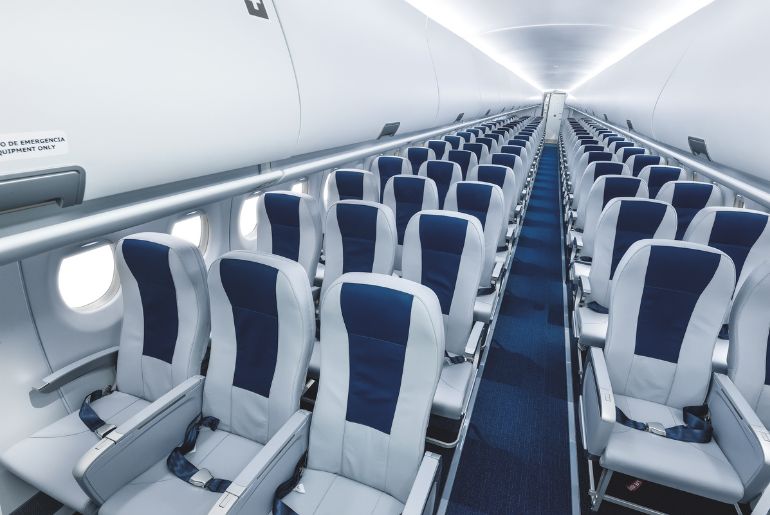
Here, the story gets more nuanced than it first appeared to be, because fares haven’t actually gone up! Surprised? We were too, when we first discovered this. What changed is the shape of the price. Airlines unbundled the ticket, separating out baggage, seat selection, and legroom as optional purchases. Ancillary fees hit a record $157 billion worldwide in 2025 (up from $148.4 billion in 2024). Passengers paid less overall but feel nickel-and-dimed at every step of checkout.
Customer Service And Operational Strain
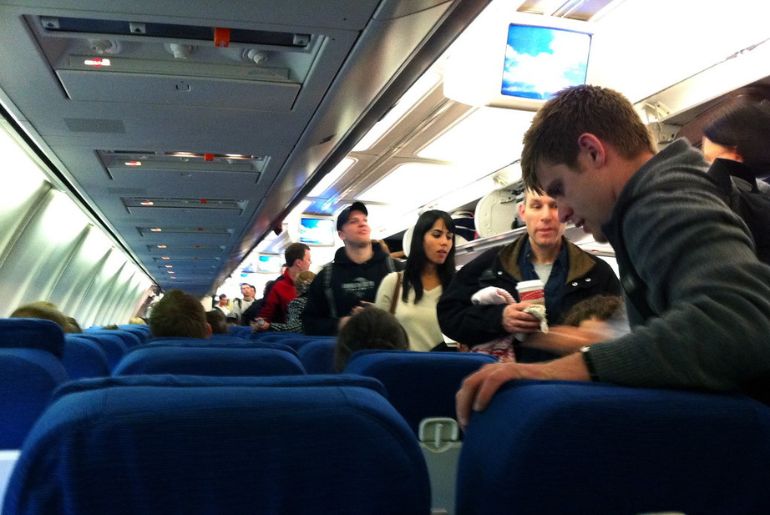
However, the biggest reason Indians feel that air travel quality has declined is simple: the system is busier than ever. Most flights now depart with very high seat occupancy. Ministry of Civil Aviation data published in July 2026 shows daily passenger load factors for major Indian airlines frequently exceeding 80 percent, with some carriers operating above 90 percent on certain days. A fuller aircraft means: fewer empty seats, less flexibility during disruptions, longer boarding times, and increased competition for overhead bin space. Passengers naturally notice these inconveniences even though they are largely the consequence of airlines operating efficiently.
But has airline service actually deteriorated? Not necessarily. Customer expectations have changed just as much as airline operations. Today’s passengers expect real-time notifications, mobile boarding passes, instant refunds, quick customer support, and reliable apps. Indian airlines have invested heavily in digital services over the past few years. Mobile check-in, self-service kiosks, and digital boarding have become standard. Rather than luxury, airlines now compete on convenience and operational efficiency.
What Data Points To Now
The evidence points to an aviation industry under pressure. However, it is still growing. India’s airlines continue operating with strong passenger demand and high load factors, indicating that people are still choosing to fly despite common complaints. Ministry of Civil Aviation data published in July 2026 shows several airlines consistently filling more than four-fifths of available seats, with Akasa Air and Air India Express frequently recording particularly high load factors. Instead of declining demand, the challenge is capacity. More passengers are competing for finite airport infrastructure, aircraft, and airspace.
What Is The Future Of Air Travel?
Three trends are likely to shape Indian aviation over the next decade.
Airport Expansion
Large infrastructure projects, including new terminals and greenfield airports, aim to increase capacity and reduce congestion across major metropolitan regions.
International Growth
Indian airlines are expanding beyond domestic routes. Air India continues its long-haul fleet renewal, while IndiGo is preparing for broader international expansion using larger aircraft and longer-range fleets.
Better Technology
Digital check-in, biometric processing through DigiYatra, predictive aircraft maintenance and improved operational planning should help reduce avoidable delays and improve the passenger experience over time.
Also Read: Which Airlines Is Best to Fly From India to Europe? 2026 Guide
Summing Up
Has air travel in India become worse? Not exactly. It has become busier. Millions more Indians can afford to fly today than ever before. Route networks are broader, aircraft are newer, booking takes minutes on a smartphone, and regional connectivity continues to improve. The downside is a system operating close to capacity. Packed flights, crowded airports and optional fees create the impression that the experience has deteriorated, even as aviation itself becomes safer, more efficient and more accessible. For most travellers, modern Indian aviation represents a trade-off. The comfort and simplicity of earlier decades have given way to affordable fares and unprecedented connectivity. The challenge for airlines and policymakers over the rest of this decade will be ensuring that infrastructure, customer service, and operational resilience keep pace with India’s extraordinary appetite for air travel.