

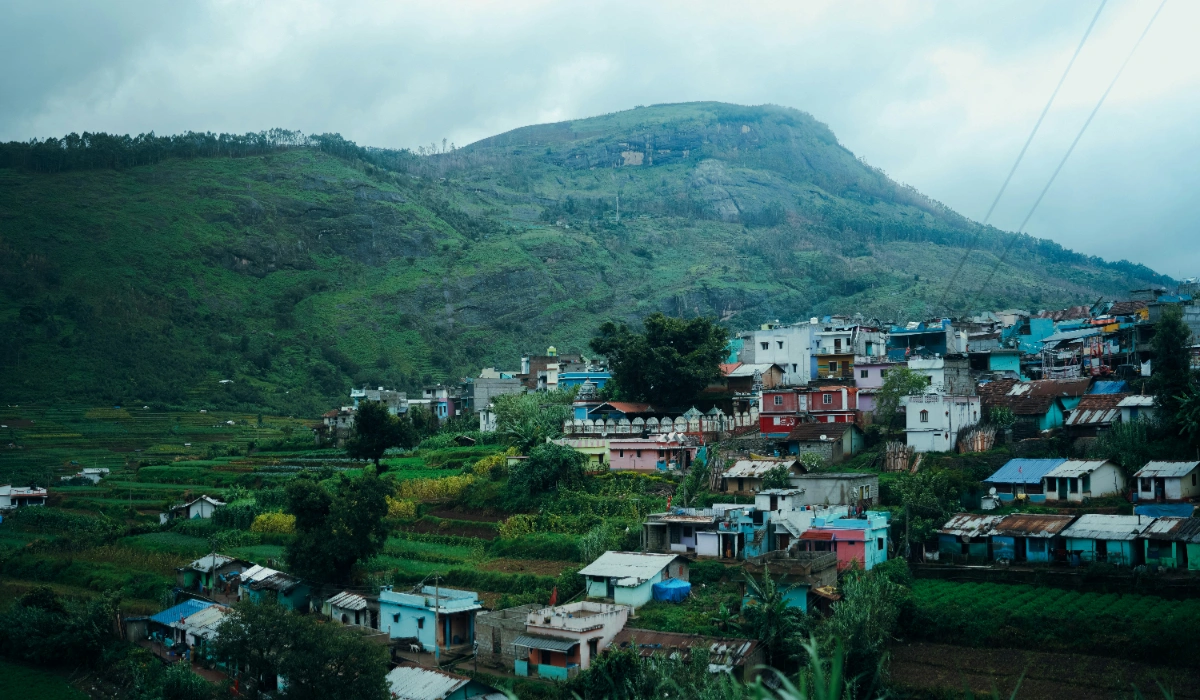
Mist-covered mountains, lush green tea plantations, overflowing waterfalls, and clouds drifting through the valleys – Munnar in monsoon feels like heaven on Earth. Every year, the hill station is visited by thousands of tourists who admire its beauty in the monsoon.
But monsoon travel also comes with its own set of challenges. Heavy rainfall, slippery roads, occasional landslides, and changing weather conditions mean that the experience can be very different from visiting during winter.
So, is Munnar good in monsoon? Should I visit Munnar in July? And what can you expect during the rainy season?
Here are all the answers to your questions!
Munnar Monsoon Season: When Does It Rain?
The monsoon season in Munnar generally lasts from June to September, with July and August receiving the heaviest rainfall. September generally marks the gradual retreat of the monsoon.
During these four months, Munnar receives heavy rainfall. The hills and valleys get covered in thick mist, and tea plantations appear brighter than ever. Streams and waterfalls flow at full force, making the scene an unforgettable experience.
If you’re someone who enjoys rain, cool weather, and peaceful surroundings, this can be one of the most rewarding times to visit.
Also Read: Which Hill Stations Should You Avoid During The Monsoon?
Munnar In July, August & September
Munnar in July weather is all about frequent rain showers, cloudy skies, and the landscape turned into a verdant green. Temperatures generally range between 18°C and 23°C, making the weather pleasantly cool despite the rainfall. However, sightseeing plans may occasionally be interrupted by heavy showers.
By August, monsoon gains a strong foothold in Munnar. If you’re someone who loves the monsoon a little too much, this month is perfect for you! Tea gardens become incredibly vibrant, and photographers often consider this one of the most beautiful months to capture Munnar’s landscapes. Independence Day long weekends also attract many domestic tourists.
Among Munnar in July, August, September, September is often considered the most comfortable month. Rainfall begins to reduce while the greenery remains fresh after months of monsoon showers. This month offers a great balance between pleasant weather and fewer travel disruptions.
Also Read: 7 Honeymoon Destinations In India For Monsoon 2026
Munnar Rainfall During Monsoon
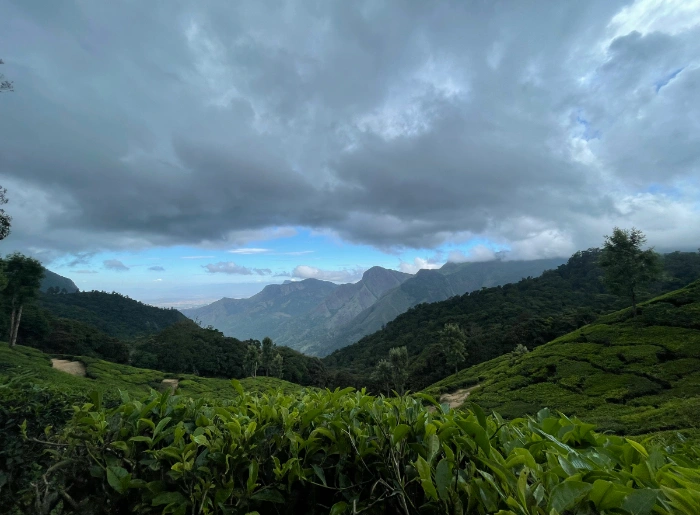
One of the most fascinating features of Munnar rainfall is its intensity. The monsoon season in Munnar can be unpredictable at times, ranging from brief downpours to comparatively clearer weather.
The rain rejuvenates forests, tea plantations, rivers, and waterfalls, creating spectacular landscapes throughout the region. With an average rainfall of 300 mm, those exploring its beauty should keep flexible schedules and avoid planning too many outdoor excursions during heavy rainfall.
Waterfalls In Monsoon: The Biggest Attraction
One of the biggest reasons to experience Munnar in monsoon season has to be its stunning waterfalls.
Many waterfalls in and around become tourist hotspots, including:
- Cheeyappara Waterfalls
- Valara Waterfalls
- Attukad Waterfalls
- Lakkam Waterfalls
These waterfalls, though seasonal, offer a majestic view, cool atmosphere, and an experience unlike anything else. However, always follow safety instructions and avoid entering restricted areas near waterfalls, as currents can become extremely strong.
Munnar Weather In Monsoon: Good Or Bad?
Many travelers ask, “Munnar weather in monsoon good or bad?”
And it all comes down to your travel preferences. If you enjoy rainy weather, green landscapes, mist-covered hills, and peaceful surroundings, you will love the monsoon in Munnar.
However, if you love clear skies and clear views, a drier, cool weather, and the opportunity to go on adventure activities like hiking and sightseeing, you might not find Munnar monsoon worth it. For you, winter season might be more appropriate.
In short, the weather isn’t bad: it simply offers a different kind of Munnar experience.
Is Munnar Good In Monsoon?
So, is Munnar good in monsoon?
Absolutely – provided you know what to expect.
Monsoon in Munnar is all about embracing the quieter side of the hill station. With fewer crowds compared to the winter season, Munnar is quite enjoyable in the monsoon. Hotels often provide attractive discounts, allowing travelers to enjoy luxury stays at lower prices.
Nature is also at its absolute best, with vibrant tea gardens, misty hills, blooming vegetation, and refreshing cool weather. For couples seeking a romantic escape or photographers looking for dramatic landscapes, monsoon can be one of the most beautiful times to visit.
Is It Safe To Visit Munnar In The Rainy Season?
A common concern among travelers is, “is it safe to visit Munnar in rainy season?”
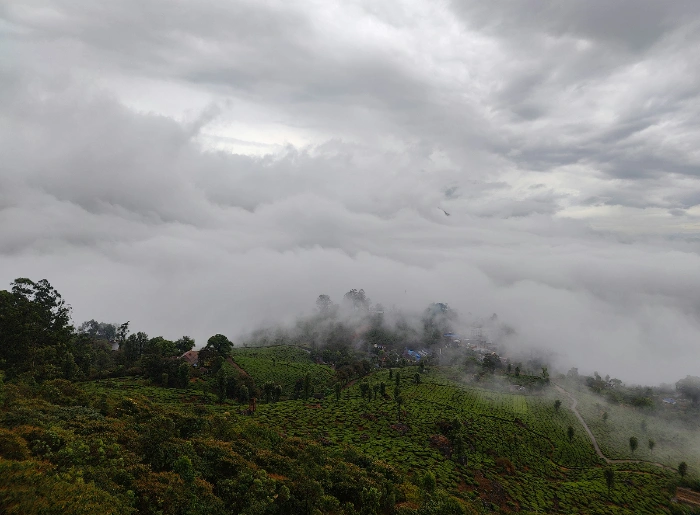
Yes, visiting Munnar during the monsoon is generally safe. However, travelers must remain extra cautious during this season due to factors like slippery roads, landslides, mudslides, reduced visibility due to mist and fog, traffic delays, and road blockages.
Local authorities continuously monitor weather conditions, and road closures are announced if required. Before traveling, check weather forecasts and road advisories, especially if heavy rain is predicted. Avoid unnecessary driving after dark during periods of intense rainfall.
Pros And Cons Of Visiting Munnar In Rainy Season
While Munnar is a beautiful destination to explore in the monsoon, understanding the pros and cons of visiting Munnar in rainy season can help you decide if monsoon travel suits your style. Here are the pros and cons of visiting Munnar in rainy season:
Pros
- Lush greenery everywhere
- Waterfalls at their most powerful
- Pleasant, cool temperatures
- Fewer tourists
- Better hotel deals
- Excellent photography opportunities
- Peaceful atmosphere
Cons
- Frequent rain may interrupt sightseeing
- Trekking routes may be closed
- Slippery roads require cautious driving
- Limited outdoor activities during heavy showers
- Reduced visibility at viewpoints on cloudy days
For many travelers, the advantages far outweigh the inconveniences.
Tips For Visiting Munnar During Monsoon
Now that you have an idea of the pros and cons of visiting Munnar during monsoon, let’s take a look at a few tips to remain cautious:
- Carry waterproof jackets and umbrellas with you at all times.
- Pack waterproof shoes with good grip.
- Keep electronics protected in waterproof ziplock bags.
- Allow extra travel time due to slower traffic. Plan your itineraries with buffer time.
- Check weather updates before starting your journey.
- Avoid venturing too close to swollen rivers or waterfalls.
Now that you are equipped with essential tips to follow during your Munnar trip, why not start planning your Munnar itinerary? A Munnar 3 days 2 nights itinerary can be the perfect starting point for first-time visitors to Munnar.
Summing Up
Experiencing Munnar in monsoon is unlike visiting the hill station at any other time of year. While frequent rainfall may occasionally alter your plans, it also transforms the landscape into a lush green paradise filled with misty mountains, roaring waterfalls, and refreshing cool weather. If you like the monsoons, you’ll definitely love exploring Munnar!