
. Mumbai’s growing population and increasing traffic volumes have placed significant pressure on the city’s road infrastructure. As congestion continues to affect daily travel, large-scale connectivity projects have become a key focus for authorities looking to improve transportation across the Mumbai Metropolitan Region.
The Maharashtra government has approved the Bhayandar-Ghodbunder Connectivity Project at an estimated cost of INR 17,036.03 crore. The project will feature an elevated creek bridge and a twin-tube underground tunnel. This has been designed to create an alternative north-south corridor and ease congestion on existing routes.
What Has Been Approved?
The Maharashtra government has approved the 15.44-kilometre Bhayandar-Ghodbunder Connectivity Project. This major infrastructure initiative will be implemented by the Mumbai Metropolitan Region Development Authority (MMRDA). MMRDA will implement it under a Build-Operate-Transfer (BOT) model through, a public-private partnership framework. The approval was granted following clearance from the Cabinet Infrastructure Committee, with the Urban Development Department issuing a government resolution on June 22.
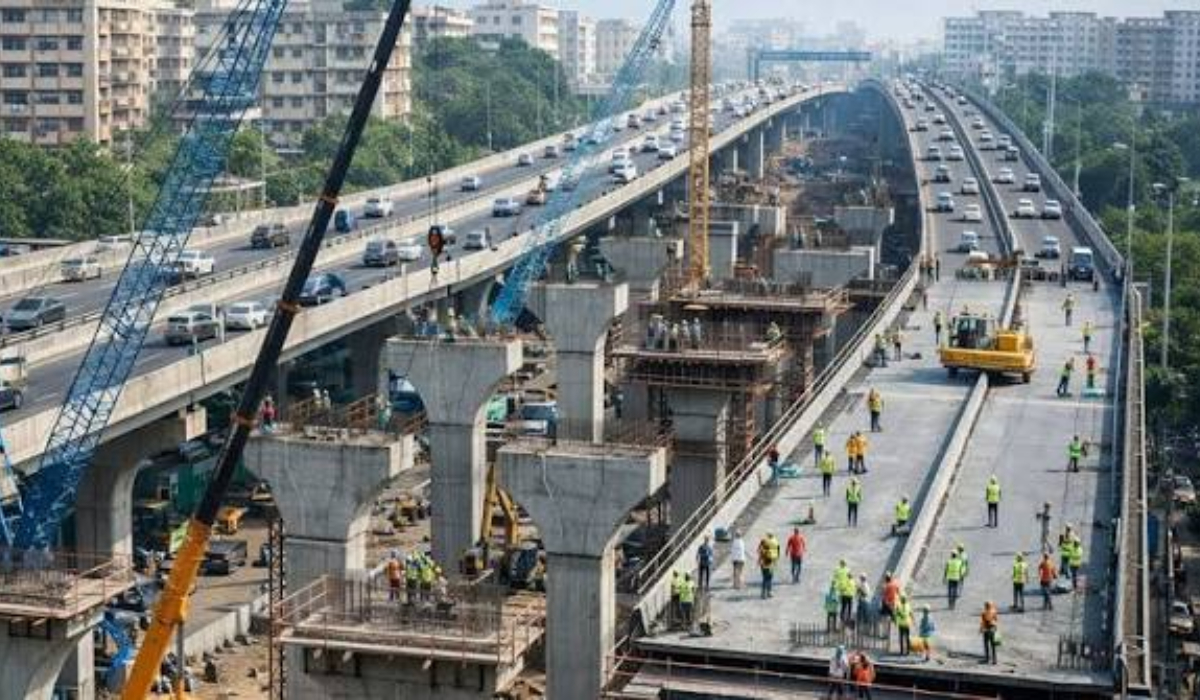
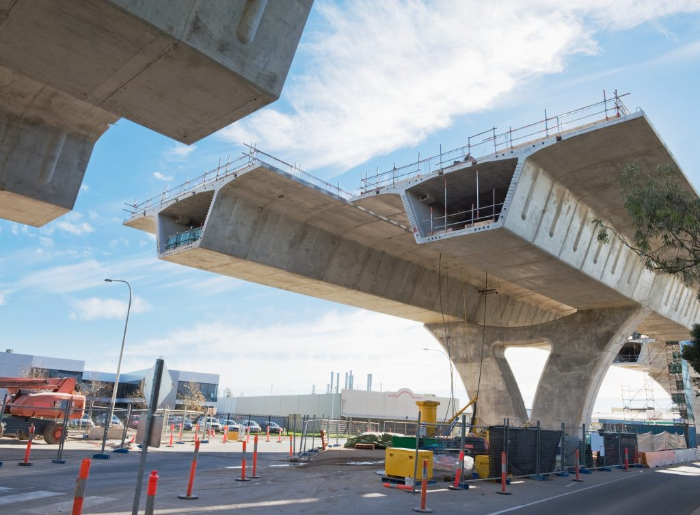
The project will include two key components: a 9.58-kilometre, six-lane, elevated creek bridge connecting Bhayandar to Fountain Hotel Junction, Mira Road and a 5.86-kilometre, twin-tube, underground tunnel extending from Fountain Hotel Junction to Gaimukh. The tunnel will feature three lanes in each direction and form part of a new north-south transport corridor in the Mumbai Metropolitan Region.
Also Read: 6-Lane Kopri-Patni Creek Bridge To Cut Thane-Navi Mumbai Travel Time
Why Was The Project Delayed And How Will It Be Funded?
The project’s approval comes nearly two years after MMRDA canceled an earlier tender process. Larsen & Toubro (L&T) challenged the decision before the Bombay High Court, and later the Supreme Court but both courts upheld MMRDA’s position. The MMRDA requested additional documents from L&T regarding its financial bid after the company submitted a quote significantly lower than the qualifying bidder. The authority subsequently scrapped the tender and decided to begin a fresh bidding process.
The Bhayandar-Ghodbunder Connectivity Project has been approved at an estimated cost of INR 17,036.03 crore, with an additional INR 713.94 crore earmarked for land acquisition, rehabilitation, and environmental management. The project will receive 40 per cent viability gap funding, with the Central Government and Maharashtra Government contributing 20 per cent each. The remaining cost will be financed through private investment and debt under the public-private partnership model. MMRDA has been authorized to seek the Center’s financial assistance.
How Will The Project Be Funded?
The Bhayandar-Ghodbunder Connectivity Project will receive 40 per cent viability gap funding. The Central Government and the Maharashtra Government will each contribute 20 per cent of the project cost. The remaining funding will be collected through private investment and debt by the concessionaire. The Maharashtra government has already approved its share of the viability gap funding and has authorized MMRDA to seek financial assistance from the Center.
Also Read: New Toll Policy: Pay 50% Less Toll As Govt Slashes Fees On National Highways With Bridges, Tunnels
What Does This Mean For Mumbai?
Upon completion, the elevated bridge and tunnel combination will strengthen connectivity between Bhayandar, Ghodbunder, and surrounding areas while supporting the region’s long-term transportation network. The project is intended to create an alternative north-south transportation corridor within the Mumbai Metropolitan Region. Authorities believe it will help reduce pressure on the Western Express Highway by providing an additional route for commuters.
Summing Up
The approval of the INR 17,036 crore Bhayandar-Ghodbunder Connectivity Project marks an important milestone for one of the Mumbai Metropolitan Region’s largest planned infrastructure developments. After legal challenges, tender revisions, and years of planning, the project has finally received formal approval.
With a 9.58-kilometre elevated creek bridge, a 5.86-kilometre twin-tube tunnel, and a public-private partnership funding model, the project is expected to become a major addition to the region’s transport infrastructure in the years ahead.