
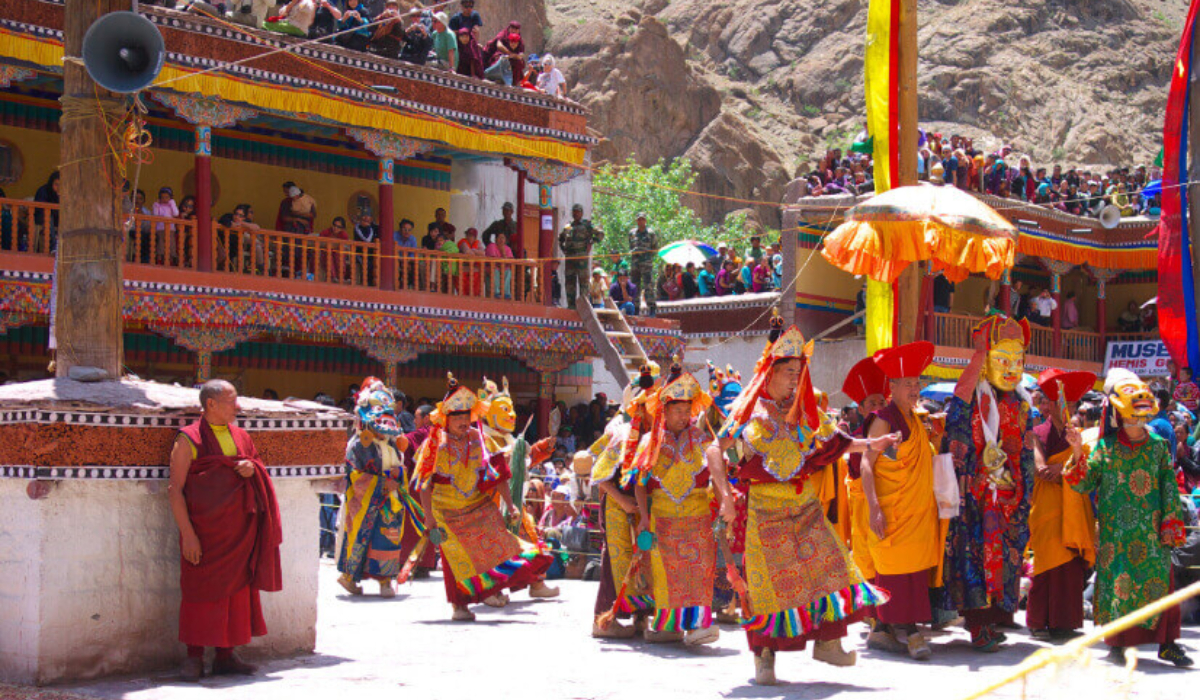
High in the mountains of Ladakh, where ancient monasteries overlook rugged valleys and colorful prayer flags flutter in the wind, one festival stands out as a celebration of faith, culture, and tradition. Every year, Hemis Monastery welcomes thousands of visitors who gather to witness sacred masked dances, traditional music, and centuries-old Buddhist rituals.
Known as the Hemis Festival, this two-day celebration honors Guru Padmasambhava, the revered Buddhist master who helped spread Tantric Buddhism across the Himalayan region. If you are planning a trip to Ladakh in 2026, here is everything you need to know about the festival dates, major attractions, and how to reach Hemis Monastery.
What Is The Hemis Festival?
The Hemis Festival is one of the most important Buddhist festivals in Ladakh and is celebrated every year at Hemis Monastery, located about 45 kilometers from Leh. The festival honors Guru Padmasambhava, also known as Guru Rinpoche, who is credited with spreading Tantric Buddhism across Tibet and the Himalayan region.
Held on the 10th day of the fifth month of the Tibetan lunar calendar, the two-day festival attracts monks, devotees, photographers, and travelers from around the world. With sacred rituals, traditional music, masked dances, and cultural celebrations, it offers a unique glimpse into Ladakh’s rich Buddhist heritage.
The Hemis Festival 2026 will be celebrated from June 24 to June 25, 2026. This two-day festival takes place at Hemis Monastery, one of the largest and most significant Buddhist monasteries in Ladakh.
Also Read: Where To Go In Ladakh: 10 Must-Visit Places For First-Time Travelers
Why Is Hemis Festival So Important?
The origins of the festival can be traced back to the 8th century when Guru Padmasambhava is believed to have driven away evil spirits and established Buddhist teachings across the region. His contributions continue to influence Tibetan Buddhism even today. The festival also serves as an important platform for preserving Ladakh’s cultural heritage. Ancient rituals, traditional music, sacred dances, local crafts, and community gatherings all come together to keep centuries-old traditions alive.
What Are The Main Attractions Of Hemis Festival?
The Hemis Festival offers several unforgettable experiences. While every part of the celebration holds cultural significance, a few attractions stand out above the rest.
Cham Dance
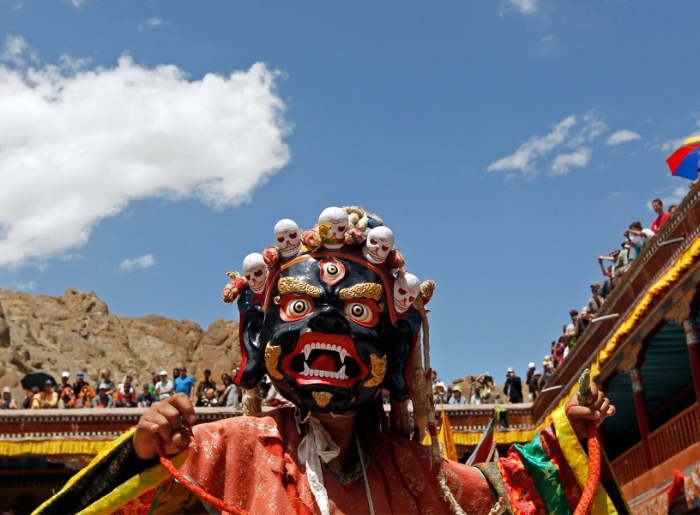
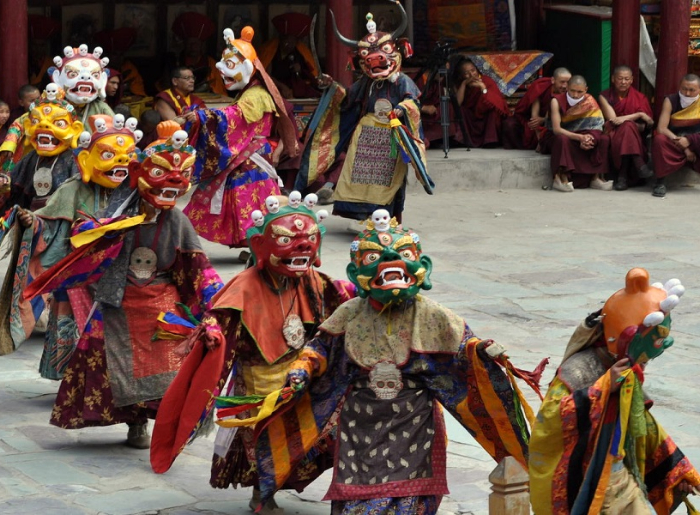
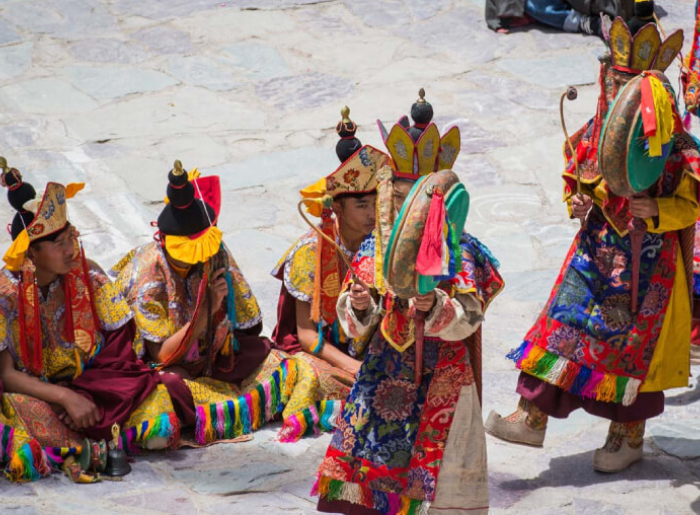
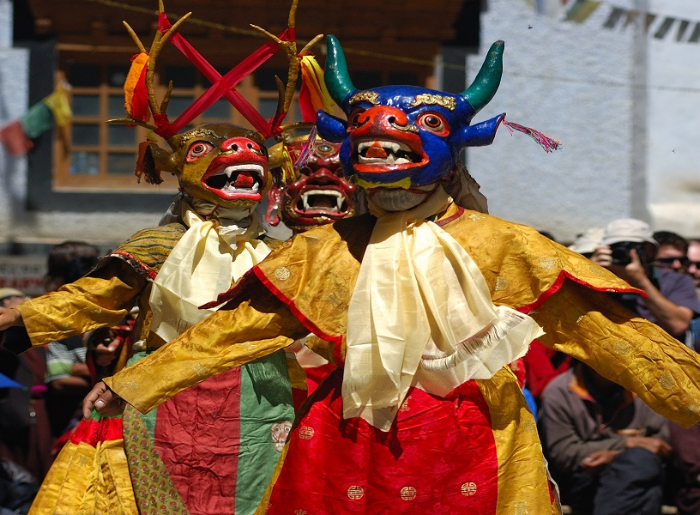
Dressed in colorful silk robes, elaborate masks, and ceremonial headgear, the performers enact stories that symbolize the triumph of good over evil. Every mask represents a deity, protector, or spiritual figure and carries a deeper meaning within Buddhist traditions. The dances are accompanied by traditional drums, long horns, cymbals, and chants, creating a powerful and immersive atmosphere.
Sacred Rituals And Prayers
Throughout the festival, monks perform prayer ceremonies and religious rituals that are believed to purify negative energies and bring blessings to devotees. These ceremonies provide visitors with a deeper understanding of Buddhist philosophy and the festival’s spiritual significance.
Traditional Handicrafts
The Hemis Festival is also known for its vibrant handicraft exhibitions.
Visitors can browse stalls featuring:
- Traditional Ladakhi jewelry
- Handwoven carpets
- Wicker baskets
- Buddhist paintings
- Local handicrafts
- Indigenous products from the region
Thangka Display
One of the most revered attractions associated with the Hemis Festival is the display of a giant Thangka depicting Guru Padmasambhava. During special years in the Tibetan calendar, a massive embroidered Thangka decorated with semi-precious stones and intricate artwork is unveiled before devotees. The display attracts pilgrims and visitors from across the world.
Traditional Ladakhi Culture
Locals arrive dressed in colorful traditional attire, families gather to celebrate together, and visitors can enjoy regional food and beverages, including Chhang, a traditional local drink often served during festive occasions.
Where Is Hemis Monastery Located?
Hemis Monastery is located about 45 kilometers from Leh and 7 kilometers from Karu on the Leh-Manali Highway. Founded in the 17th century, it is one of Ladakh’s most important Buddhist monasteries and remains a popular attraction throughout the year. During the Hemis Festival, the monastery transforms into a vibrant cultural and spiritual hub, drawing thousands of devotees and travelers from across the world.
How To Reach the Hemis Festival In Ladakh?
The easiest way to reach the Hemis Festival is by first traveling to Leh, as it is well connected by flights from Delhi, Chandigarh, Jammu, and Srinagar. From Leh, Hemis Monastery is about 45 kilometers away and can be reached by taxi, bus, or shared cab. Travelers can also reach Leh by road via the Srinagar-Leh or Manali-Leh highways, while the nearest major railway station is Chandigarh.
Suggested Hemis Festival Itinerary
- Day 1: Arrive in Leh – Arrive in Leh and take time to acclimatize to the altitude.
- Day 2: Explore The Indus Valley – Visit famous monasteries such as Thiksey Monastery and Shey Monastery. Spend the evening exploring Leh’s local markets and traditional villages.
- Day 3: Attend Hemis Festival – Travel to Hemis Monastery and experience the opening day celebrations, including sacred rituals and Cham dance performances.
- Day 4: Continue Festival Celebrations – Spend another day at the monastery to witness more ceremonies and cultural performances.
- Day 5: Visit Lamayuru Monastery – Explore Lamayuru Monastery, one of the oldest and most scenic monasteries in Ladakh.
- Day 6: Explore Alchi and Likir – Visit Alchi Monastery, known for its ancient wall paintings, and Likir Monastery, which dates back to the 11th century.
- Day 7: Return and Depart – Travel back to Leh and prepare for your onward journey.
Essential Travel Tips For Hemis Festival
The Hemis Festival attracts large crowds every year. Following a few simple tips can help make your experience smoother and more enjoyable.
- Arrive early to secure a good viewing spot.
- Respect monastery customs and religious traditions.
- Carry drinking water and light snacks.
- Dress modestly and appropriately.
- Bring warm clothing, even during summer.
- Spend at least one or two days acclimatizing before attending the festival.
- Book flights and accommodations well in advance.
- Carry some cash as digital connectivity can be limited in certain areas.
Also Read: Altitude Sickness In Ladakh: Symptoms, Prevention & Tips
Summing Up
Ladakh is often known for its dramatic landscapes, high-altitude passes, and peaceful monasteries, but the Hemis Festival reveals its deeper cultural side. For two days, Hemis Monastery comes alive with sacred dances, traditional music, colorful costumes, and rituals that have shaped Himalayan Buddhist life for centuries.
If you are planning a trip to Ladakh in June 2026, visiting during the Hemis Festival can make the journey even more memorable. It is more than a festival. It is a chance to witness Ladakh’s spirituality, tradition, and living history up close.