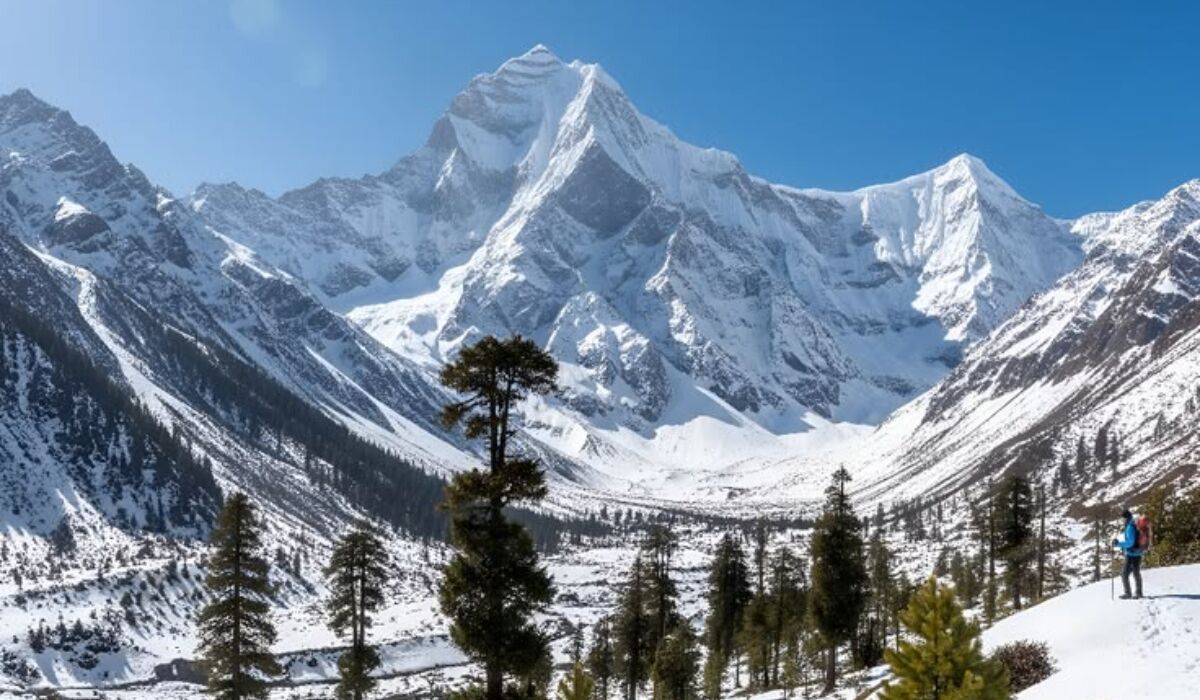

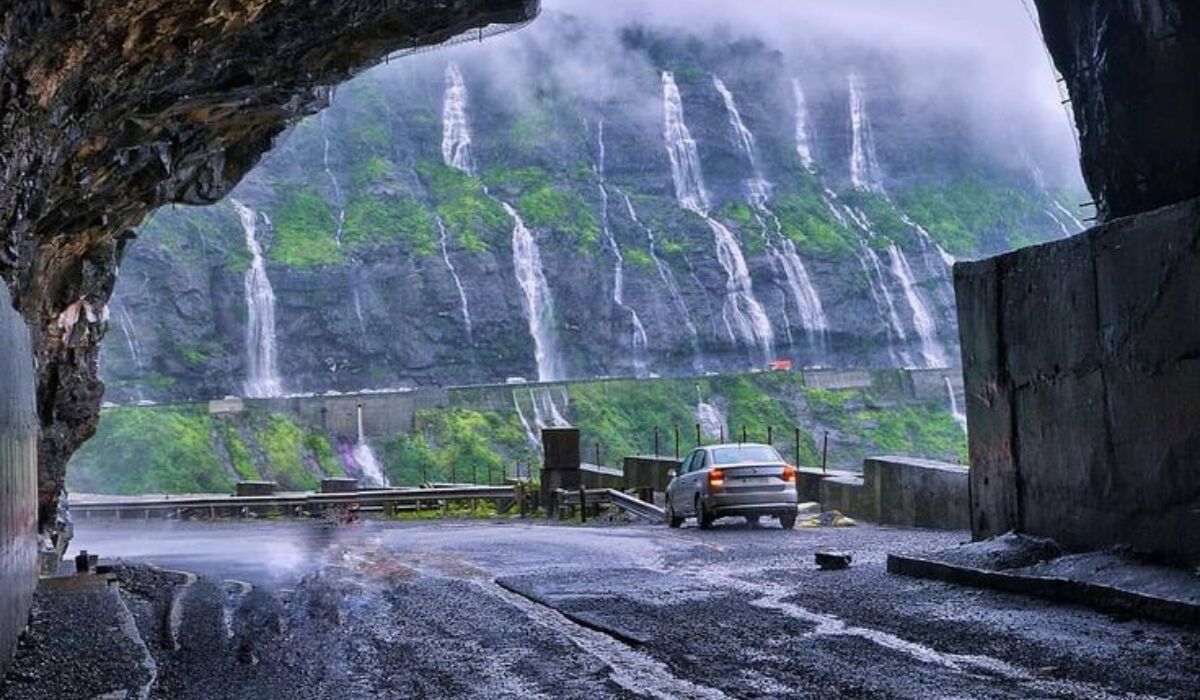
Misty clouds, lush landscapes, roadside chai stops, and endless stretches of greenery are some of the reasons monsoon road trips remain so popular across India. From coastal highways to winding mountain roads, the season brings a sense of freshness that makes even familiar routes feel new again. The same rain that creates these beautiful landscapes can also make driving more difficult. Reduced traction, fog, waterlogged roads, and sudden downpours are common during the monsoon, making preparation and safe driving practices essential before setting out on any journey.
Why Is Monsoon Driving More Challenging?
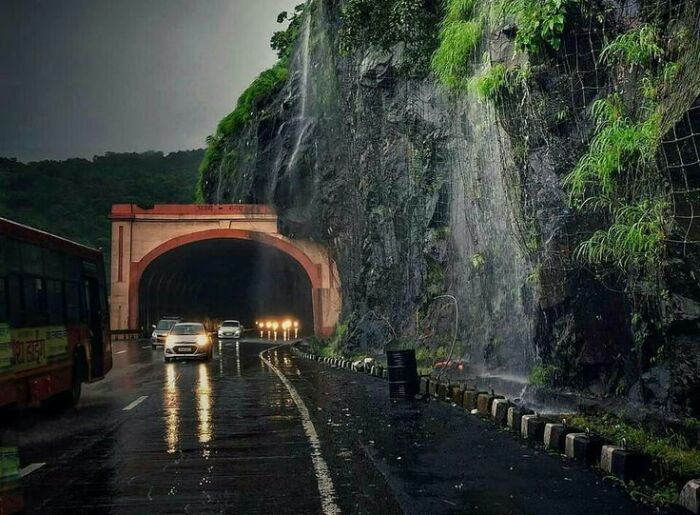
Monsoon road trips can be exciting; however, it is important to inspect your vehicle before leaving. Wet roads reduce tyre grip, thereby making it easier for vehicles to skid while driving or during sudden braking or sharp turns. Visibility can also drop significantly due to heavy downpours, making it difficult to spot potholes, road signs, or vehicles ahead.
A common but lesser-known risk is aquaplaning or hydroplaning. This happens when water builds up on roads. This leads to reduced tyre grip, thereby making the surface slippery due to the lack of traction. When this occurs, steering and braking become less effective, which is why driving at moderate speeds during the monsoon is so important.
How Should You Prepare Your Vehicle Before A Monsoon Road Trip?
Before you jet off, it is essential to make sure your car is ready for wet roads. Check the tire tread and air pressure first, since tires with poor grip can struggle on rain-soaked surfaces. Your windshield wipers should also be in good condition because clear visibility becomes essential during sudden or heavy downpours.
Your lights and brakes require equal attention. Headlights, taillights, and indicators help other drivers spot your vehicle in low visibility, while well-maintained brakes are important because stopping distances increase on wet roads. For longer road trips, getting the car serviced before departure is always a safer choice.
Also Read: What To Pack For A Monsoon Trip In India
What Are The Most Important Monsoon Driving Tips?
Driving during the monsoon is less about speed and more about patience. Small adjustments in your driving habits can greatly improve safety during wet conditions.
- Reduce your speed, especially during heavy rainfall.
- Maintain a larger following distance from the vehicle ahead.
- Avoid sudden braking, acceleration, or sharp steering inputs.
- Never use cruise control or speed mode on wet roads.
- Use low-beam headlights to improve visibility.
- Avoid driving at night whenever possible.
- Do not use hazard lights while moving in the rain.
- Check weather forecasts before starting your journey.
How Can You Drive Safely Through Waterlogged Roads And Ghats?
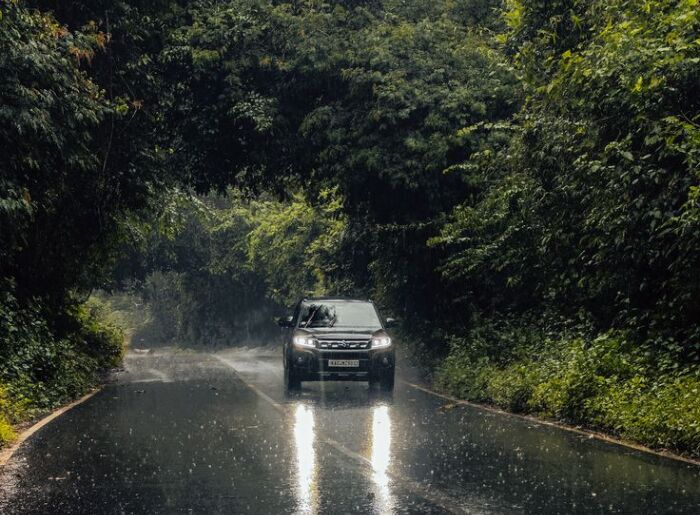
A big mistake drivers make is speeding through standing water, as puddles can submerge deep potholes, damaged road surfaces, or flooded sections that may cause vehicle damage. If you must drive through a waterlogged area, do so slowly and steadily in a low gear without sudden acceleration.
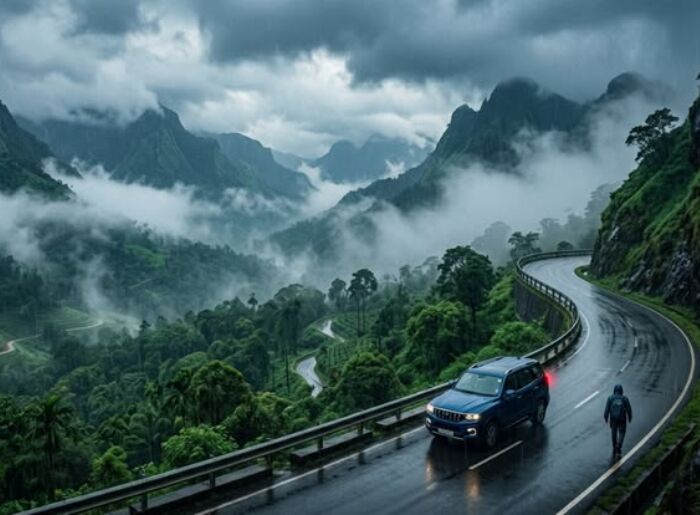
It is important to be cautious when driving on mountain roads or ghats. When driving down to places like Munnar, Tamhini Ghat, Chikmagalur, and parts of the Northeast often experience heavy rainfall, fog, and occasional landslides. When descending steep roads, use lower gears and engine braking rather than relying entirely on the brakes. Stay alert for fallen branches, rocks, and other debris that may appear after heavy rain.
What Emergency Essentials Should You Carry?
Unexpected delays are common during the rainy season, making it important to keep a few emergency supplies in your vehicle.
- First-aid kit
- Flashlight
- Tow rope
- Jumper cables
- Drinking water
- Non-perishable snacks
- Phone charger or power bank
- Offline maps
- Vehicle documents and insurance papers
Which Are Some Of India’s Best Monsoon Road Trips?
The Mumbai-to-Goa route remains one of the most popular road trips, with scenic coastal views and lush stretches through the Western Ghats. Tamhini Ghat near Pune is another favorite, known for its waterfalls and mist-covered valleys. Other memorable drives include Chikmagalur to Munnar, the Maharashtra Ghat Circuit, Delhi to Kasauli, and Shillong to Mawlynnong. While each route offers incredible monsoon scenery, travelers should always monitor weather conditions and local advisories before setting out.
Also Read: 5 Best Road Trips To Take During Monsoon In India
Summing Up
From cloud-covered mountains and overflowing waterfalls to quiet countryside roads, the season brings a unique charm that is difficult to replicate at any other time of the year. By checking your vehicle, staying informed about weather conditions, and adapting your driving habits to wet roads, you can focus less on the challenges and more on the incredible scenery that makes monsoon road trips so memorable.