
Rajasthan is often associated with grand forts, royal palaces, and centuries of history. For many, destinations such as Jaipur, Udaipur, Jodhpur, and Jaisalmer dominate their itinerary, with packed schedules designed to cover as many landmarks as possible in a limited timeframe. While these monuments are undeniably impressive, they only tell us a part of the story associated with the state of Rajasthan.
Beyond the major attractions, there are villages where traditional crafts are still practiced, countryside roads that seem untouched by time, and heritage properties that invite you to pause rather than rush. These experiences create a stronger connection to the region than any sightseeing checklist, making slow travel an increasingly popular way to explore Rajasthan.
Why Does Rajasthan Reward Slow Travel?
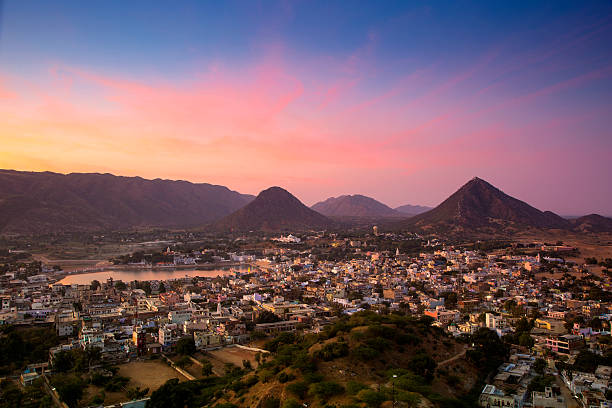
For those who move slowly, the journey between destinations often becomes just as memorable as the attractions themselves. Long drives through the Thar Desert, village encounters, roadside tea stalls, and sunset views across the Aravalli Hills create experiences that rarely appear in any guidebook.
Palace courtyards feel entirely different in the soft light of sunrise compared to busy afternoons, while evenings often bring folk performances, local gatherings, and peaceful moments that many people miss when following tightly packed itineraries. Slow travel allows you the space and opportunity needed to experience these transitions and appreciate the region beyond its most famous landmarks.
Why Do Fast-Paced Rajasthan Itineraries Often Feel Exhausting?
One of the biggest mistakes travelers make when planning a Rajasthan trip is trying to fit too much into too little time. Cities like Jaipur, Jodhpur, Udaipur, Jaisalmer, Pushkar, and Ranthambore may look manageable on a map, but constantly moving between them can quickly become exhausting. What starts as an exciting itinerary often turns into a cycle of long drives, hotel check-ins, and rushed sightseeing, leaving little time to truly enjoy each destination.
This is especially true for first-time visitors to India. Rajasthan is a place best experienced slowly, where the atmosphere, culture, and local rhythm are just as important as the landmarks themselves. Travelers who spend more time in fewer places often leave with stronger memories, meaningful experiences, and a deeper appreciation for what makes each city unique.
How Does Slow Travel Create More Authentic Experiences?
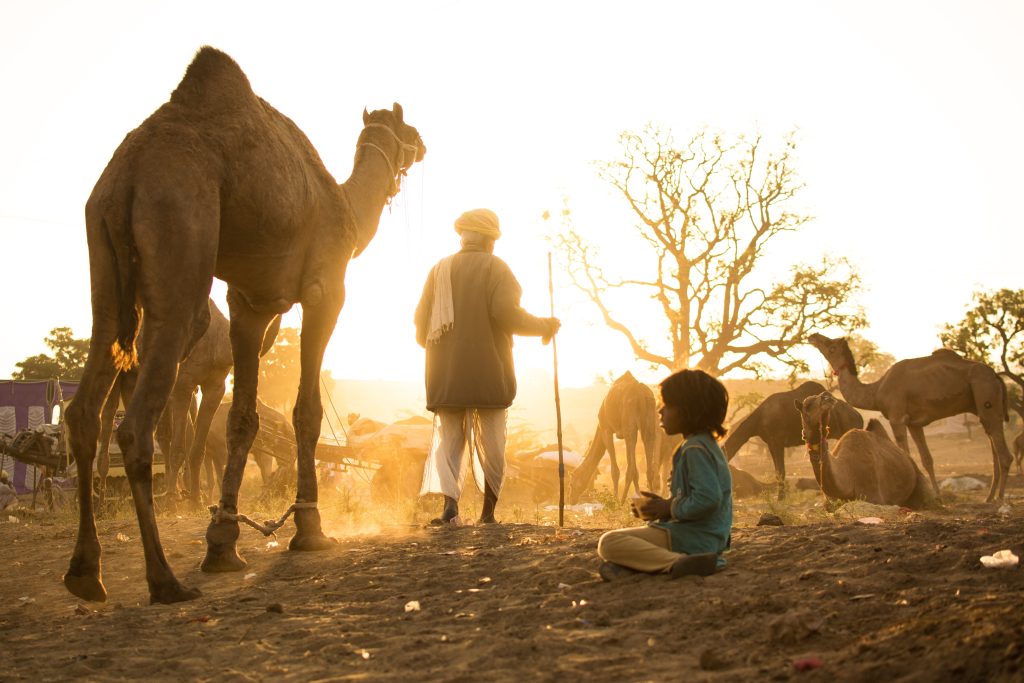
One of the biggest advantages of slow travel is the chance to experience Rajasthan beyond its famous landmarks. Instead of rushing between attractions, visitors begin noticing everyday moments, from artisans at work and village life to folk music performances and local traditions. A slower pace also creates space for meaningful interactions.
What Experiences Showcase Rajasthan Beyond Its Forts?
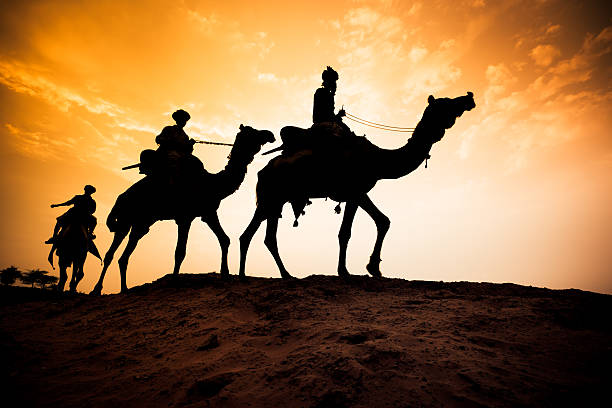
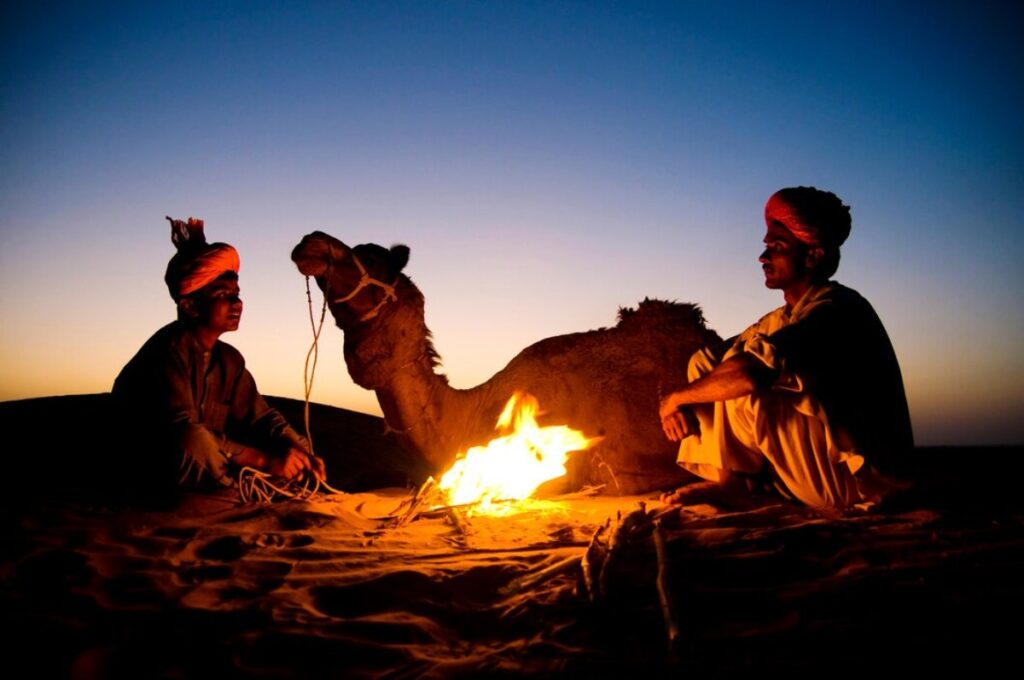
Multi-day camel safaris through the Thar Desert offer travelers a chance to explore remote landscapes, spend nights under the stars, and experience the region at a slower pace. Wildlife enthusiasts can visit Jawai, where leopards roam freely among granite hills and local pastoral communities, or Ranthambore National Park, one of India’s most famous tiger reserves.
Cultural experiences are equally compelling, as visitors can stay in village homestays in the Shekhawati region, attend the world-famous Pushkar Camel Fair, learn traditional block-printing techniques in Sanganer and Bagru, or explore Bishnoi villages near Jodhpur. For anyone interested in the culinary side of Rajasthan, you can participate in cooking classes and culinary trails that highlight dishes such as dal baati churma, laal maas, and gatte ki sabzi. These experiences offer a perspective on Rajasthan that extends far beyond architecture and sightseeing.
Also Read: Pushkar Camel Fair 2025: From Camel Races to Cultural Parades – What To See And Do
Why Are Rajasthan’s Heritage Hotels Perfect For Slow Travel?
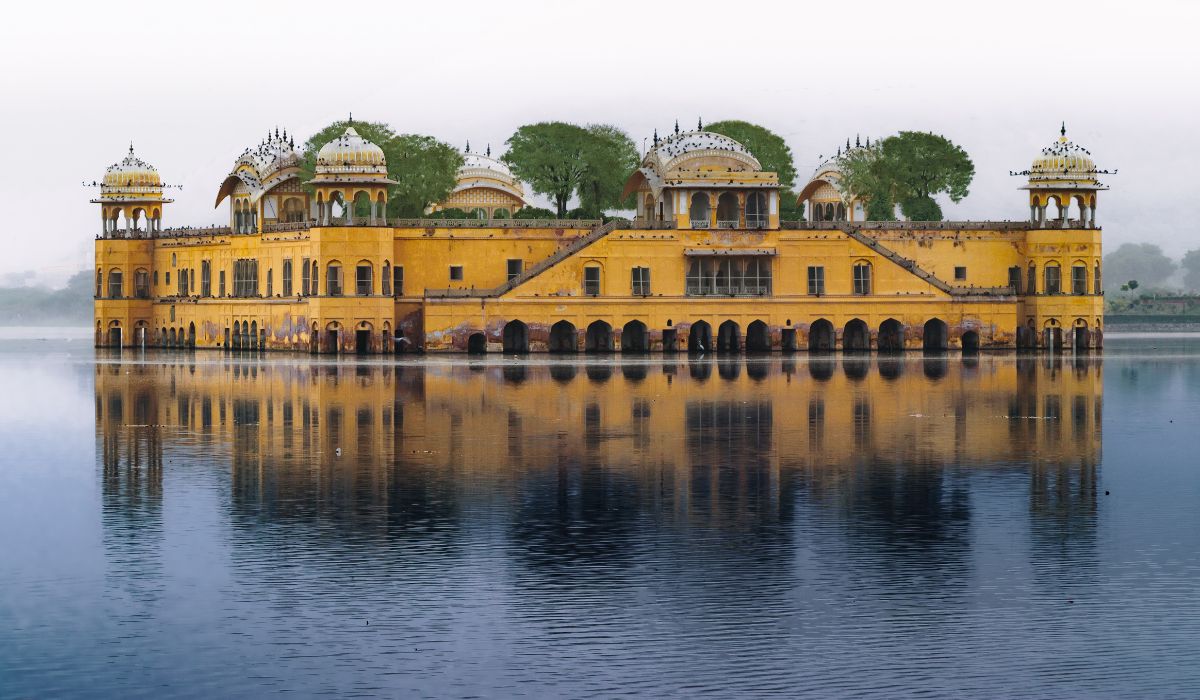
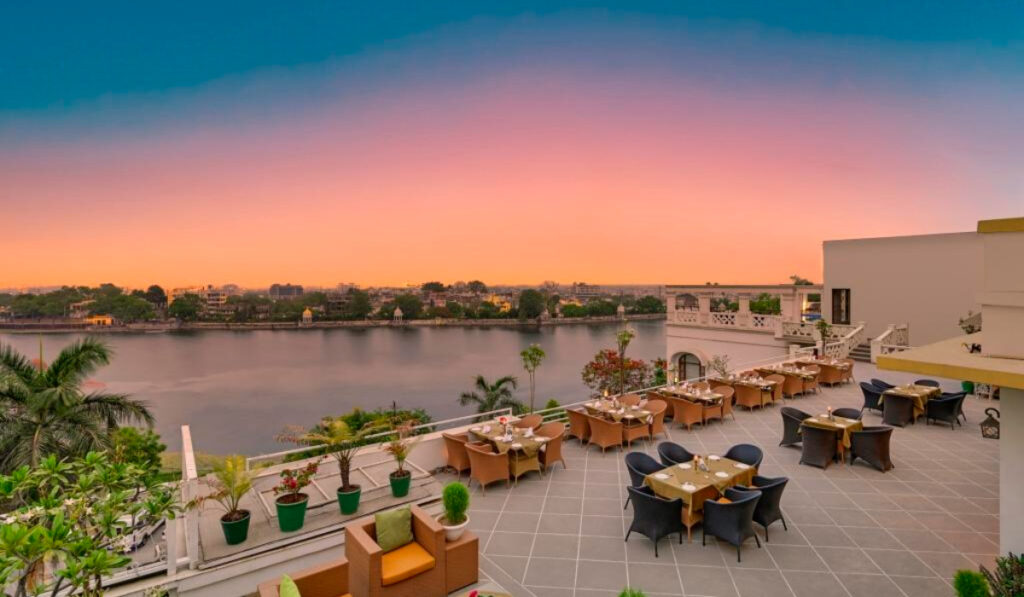
Rajasthan is home to some of India’s most remarkable hotels, many of which are converted palaces, heritage mansions, lakeside retreats, and boutique countryside estates. These properties are often destinations in themselves rather than simply places to spend the night. Visitors rushing through Rajasthan frequently miss the atmosphere these hotels are designed to create.
Staying longer allows visitors to enjoy quiet palace courtyards, rooftop dinners, cultural performances, wellness experiences, and slow mornings overlooking historic landscapes. The experience becomes less about checking attractions off a list and more about immersing yourself in the destination. For honeymooners, photographers, and anyone seeking a more relaxed journey, these heritage properties often become a highlight of the trip.
Also Read: Rajasthan’s Palace On Wheels To Operate In May For The First Time In 45-Years
Why Are Road Trips An Important Part Of Slow Travel In Rajasthan?
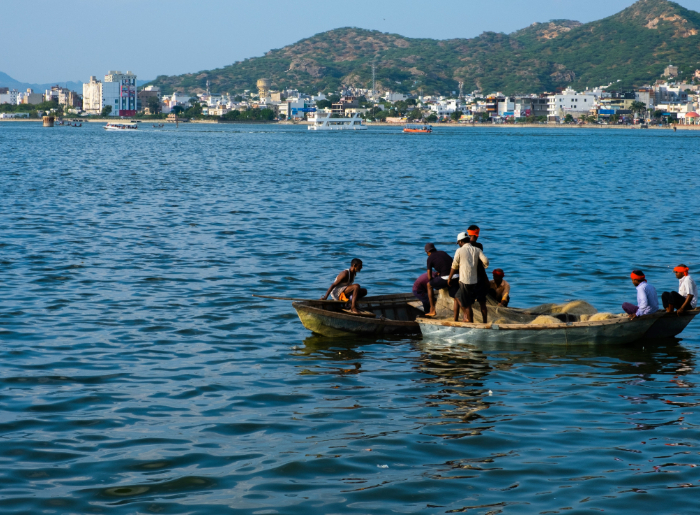
Rajasthan is one of India’s most rewarding road-trip destinations. The roads connecting cities often pass through desert landscapes, rural communities, historic settlements, and changing terrain that reveal a side of the state many visitors never experience. When travelers are not rushing to meet strict schedules, the journey itself becomes part of the adventure.
Slow travel allows for spontaneous decision-making; a roadside chai break, a local market, an unexpected viewpoint, or a conversation with villagers can become memorable highlights of the trip. Instead of treating transportation as an inconvenience, travelers begin viewing the road as another way to experience Rajasthan’s culture, geography, and rhythm of life.
Summing Up
Rajasthan’s forts and palaces will always remain among India’s most remarkable attractions, but they are only one part of the story. Beyond the monuments lies a region filled with living traditions, desert landscapes, wildlife experiences, artisan communities, and cultural encounters that cannot be appreciated through rushed itineraries.
Slow travel offers a different way to experience Rajasthan. It creates space for meaningful conversations, unexpected discoveries, and a deeper appreciation of the region’s heritage and atmosphere. For anyone willing to move at a gentler pace, Rajasthan reveals a side of itself that is often overlooked but rarely forgotten.