

In a move that could reshape how residents experience the Yamuna, Delhi is set to roll out an ambitious cycling corridor along its floodplains. After months of scrutiny and environmental review, the Delhi Development Authority has received final clearance from the National Green Tribunal to begin construction. The project aims to turn long-neglected river edges into accessible, green public spaces while carefully balancing ecological concerns.
Officials confirmed that work on the first phase will begin in the coming weeks. The larger plan envisions a continuous cycling corridor stretching roughly 52 to 95 kilometres along the Yamuna, making it one of the longest riverfront cycling networks in India once completed.
Phase 1 To Cover 24 Km Stretch
The initial phase will span a 24.15-kilometre section between the Old Railway Bridge and NH-24. Preparatory work, including planning and tendering, has already been completed, clearing the way for on-ground construction.
“Work on Phase 1 is expected to commence shortly. The construction timeline for this stretch is about 12 months from the award of work,” a DDA official told Hindustan Times. The full corridor is expected to be completed in phases over a three-year period.
Also Read: Delhi To Ladakh Road Trip Guide: Routes, Stops, Costs & Tips
A Riverfront Designed For People
The proposed route will run from Wazirabad to NH-24 and further towards Kalindi Kunj, forming a continuous non-motorised loop. Unlike traditional urban projects, this corridor is being designed with a strong focus on environmental sensitivity.
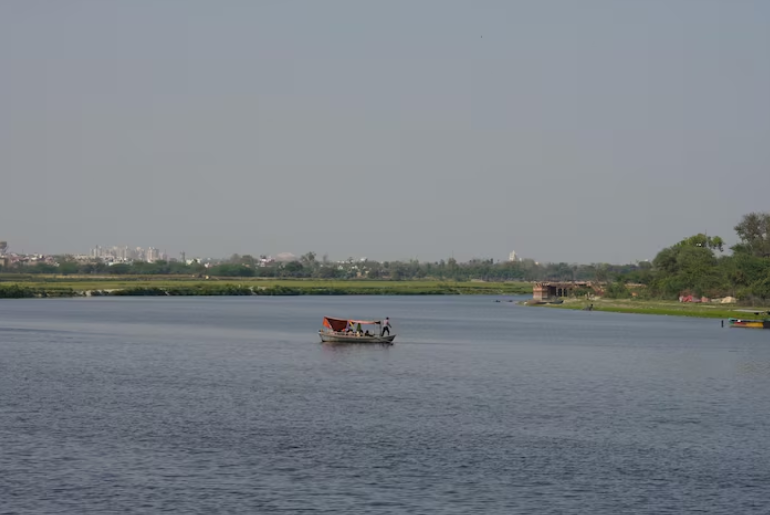
According to officials, the idea is not just to create a cycling track but to open up the Yamuna’s floodplains in a controlled and sustainable way. “The project is designed not only as a transport intervention but as a way to enable citizens to engage with the Yamuna in a structured and environmentally sensitive manner,” an official explained.
The corridor will also connect several key green zones, including Asita, Yamuna Vatika, Kalindi Biodiversity Park, and Amrut Biodiversity Park, many of which currently function as isolated pockets.
Environmental Safeguards At The Core
Given the ecological sensitivity of the Yamuna floodplains, the project underwent multiple revisions before receiving approval. Authorities said the alignment for Phase 1 has been adjusted based on expert inputs to minimise environmental impact.
Instead of building close to the river’s edge, the track will largely follow existing embankments and pathways. This reduces flood risks and avoids disturbing fragile habitats. Permanent construction within core floodplain zones has also been consciously avoided.
Also Read: Best Hill Stations Near Delhi To Visit In April
“The phased implementation will allow us to monitor impact and ensure that ecological safeguards are maintained at every stage,” the official added.
The design will rely on permeable materials and nature-based solutions to ensure minimal disruption to the terrain.
What To Expect From The Corridor
Once complete, the cycling corridor will include a range of user-friendly features such as cycle docking stations, parking zones, shaded rest areas, viewing decks, and clear route signage. These elements are intended to make the space accessible without overwhelming its natural character.
Officials said the infrastructure is being planned to “integrate seamlessly with the landscape while supporting usability for visitors.”
Beyond recreation, the project is expected to improve connectivity between various floodplain restoration efforts undertaken across nearly 1,700 hectares. By linking these spaces, authorities hope to encourage more consistent public use and awareness of the river ecosystem.
Summing Up
The corridor is also being positioned as a public health initiative, offering residents greater access to open, green spaces in a densely populated city.
After years of planning and environmental checks, the project now moves into execution. If delivered as envisioned, it could mark a significant shift in how Delhi reconnects with the Yamuna, not just as a river, but as a shared urban space.