
In a notable diplomatic shift, India is preparing to resume tourist visas for citizens of China, more than five years after the suspension that followed the Galwan Valley clash. The move signals a cautious but clear step toward restoring normalcy in bilateral relations that had remained strained since 2020.
India To Resume Tourist Visa For China
A Gradual Thaw In Relations
As per Economic Times, the Union Home Ministry has introduced revised guidelines for issuing regular visas to applicants from mainland China, as well as Hong Kong and Macau. While the framework largely aligns with standard visa procedures, the resumption itself marks a significant policy change after years of tight restrictions.
The decision does not come in isolation. Over the past year, both countries have taken measured steps to rebuild engagement. In 2025, India and China agreed to restart direct passenger flights, restoring a key travel link that had been suspended during the pandemic and geopolitical tensions. Around the same time, the Kailash Mansarovar Yatra, a major religious pilgrimage for Indian devotees, was also revived after a prolonged pause.

These developments are being seen as early indicators of a broader effort to stabilise ties. The return of tourist visas adds another layer to this process, focusing on people-to-people connections rather than purely economic or strategic engagement.
Also Read: Indian Embassy Issues Advisory For Vietnam Travel Despite Phu Quoc Visa-Free Entry
What The New Visa Rules Mean
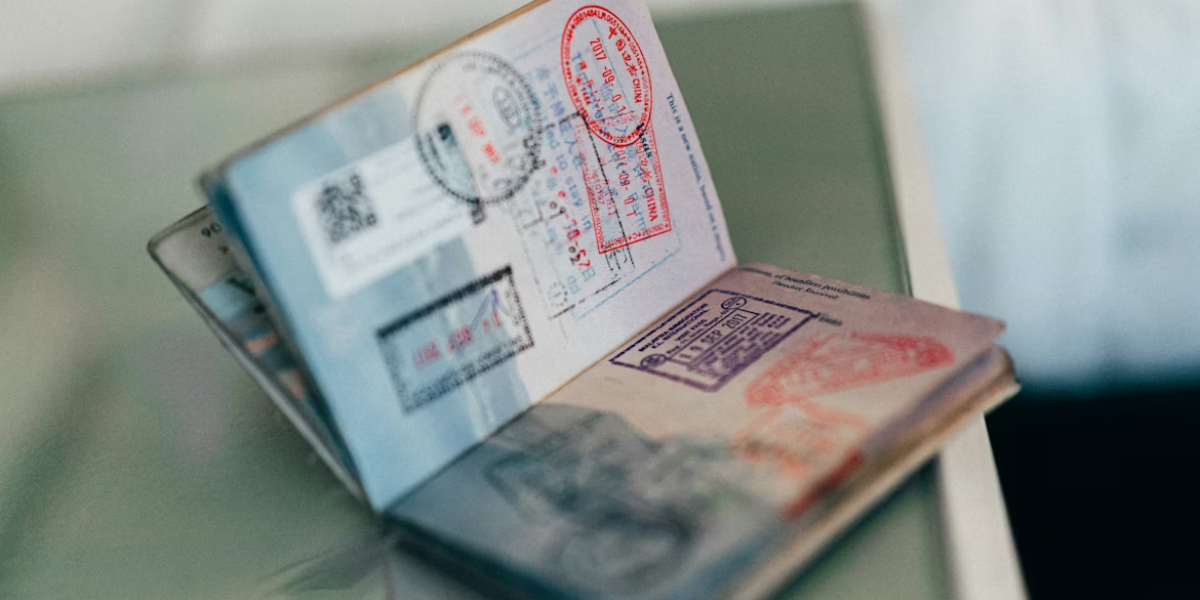
Officials indicate that tourist visas will now follow the same procedures applicable to other foreign nationals. Applicants will need valid passports, complete online applications, and submit supporting documents through designated channels. Offline verification processes are also expected to continue, ensuring stricter scrutiny where required.
However, certain restrictions remain in place. For instance, carrying satellite phones under tourist visas is prohibited, reflecting ongoing security concerns. Authorities are likely to maintain close monitoring of travel patterns, even as the broader policy becomes more open.
From Freeze To Reopening
The visa suspension dates back to the aftermath of the Galwan Valley clash in June 2020, which marked one of the most serious military confrontations between India and China in decades. The incident led to a sharp deterioration in relations, prompting India to impose a series of measures including visa curbs, tighter investment rules, and increased scrutiny of Chinese businesses operating in the country.
For several years, these restrictions effectively halted tourism flows between the two nations. Business and diplomatic travel continued in a limited capacity, but leisure travel remained off the table.
Also Read: Thailand To End 60-Day Visa-Free Entry Soon: Key Updates Travelers Must Know
Why This Move Matters Now
The resumption of tourist visas is being interpreted as part of a phased normalisation strategy. In recent months, there has been a visible uptick in diplomatic engagement, including high-level meetings and efforts to streamline business travel.
For both countries, reopening tourism channels offers practical and symbolic benefits. It supports the travel and hospitality sectors, encourages cultural exchange, and helps rebuild trust at a grassroots level. At the same time, it allows governments to signal a willingness to move forward without fully resolving all underlying disputes.
Summing Up
While this move marks progress, challenges in India-China relations remain. Border issues, trade imbalances, and geopolitical considerations continue to shape the broader dynamic. Still, the decision to resume tourist visas reflects a shared recognition that engagement, even if gradual, is necessary.
As travel begins to pick up again, the focus will likely remain on balancing openness with caution. For now, the return of tourist visas stands as a small but meaningful step toward reconnecting two neighbouring nations after years of disruption.