
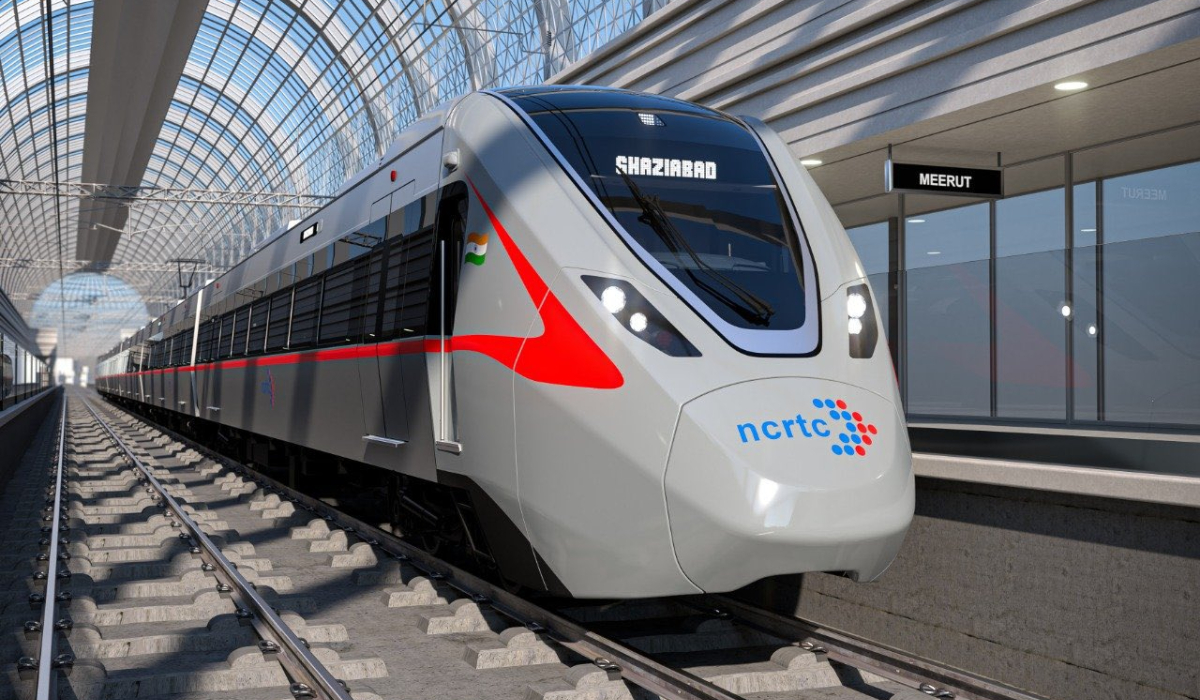
The dream of reaching the serene ghats of Rishikesh from the bustling streets of Delhi in under three hours is moving closer to reality. A transformative proposal to extend the Namo Bharat Regional Rapid Transit System (RRTS) is gaining momentum, promising to redefine regional connectivity, tourism, and economic growth in North India.
The Proposal: A High-Speed Link to the Foothills
The initiative gained significant traction following a high-level meeting between Uttarakhand Chief Minister Pushkar Singh Dhami and Union Minister for Housing and Urban Affairs, Manohar Lal Khattar. The core of the proposal involves extending the existing Delhi-Meerut RRTS corridor from its current northern terminus at Modipuram all the way to Haridwar and Rishikesh.
In addition to the RRTS extension, the Uttarakhand government is pushing for a complementary Dehradun-Haridwar-Rishikesh metro corridor. Together, these projects would create an integrated, high-speed transit network linking the National Capital Region (NCR) directly to the “Yoga Capital of the World.”
The Route: Key Stations and Strategic Stops
The proposed extension is expected to run broadly parallel to National Highway 58 (NH-58), connecting several industrial, academic, and spiritual hubs:
- Modipuram (Meerut): The primary junction connecting the Delhi segment to the Uttarakhand extension.
- Daurala-Sakauti: An industrial and educational belt.
- Khatauli (Muzaffarnagar): A vital linkage point for western Uttar Pradesh.
- Purkazi: The gateway station near the Uttar Pradesh-Uttarakhand border.
- Roorkee: Home to the prestigious IIT Roorkee, providing high-speed access for students and faculty.
- Jwalapur (Haridwar): A key station for pilgrims and tourists heading to the holy city.
- Rishikesh: The terminal station, serving as the gateway to the Garhwal Himalayas.
Economic and Real Estate Transformation
The “Namo Bharat” extension is being viewed as more than just a transport project; it is an economic corridor.
- Travel Time Revolution: Currently, the journey from Delhi to Rishikesh can take 5 to 7 hours by road or rail. The RRTS aims to slash this to approximately 2.5 to 3 hours.
- Tourism Surge: Experts predict a 200% surge in demand for holiday homes and service apartments in Haridwar and Rishikesh as weekend trips from Delhi become more feasible.
- Industrial Growth: Muzaffarnagar and Meerut are expected to see a rise in warehousing and industrial townships due to improved logistics.
- Educational Impact: Enhanced connectivity to Roorkee will likely trigger a boom in student housing and academic infrastructure.
Engineering and Environmental Challenges
While the vision is ambitious, the project faces several “formidable” hurdles:
- Ecological Sensitivity: The stretch between Roorkee and Rishikesh nears the Rajaji National Park. Securing environmental clearances for tracks through wildlife-rich areas will be a complex and lengthy process.
- Terrain: As the line approaches Rishikesh, the hilly topography will necessitate sophisticated engineering, including elevated tracks or tunneling, significantly increasing the project cost.
- Land Acquisition: Property prices along NH-58 are already at record highs. Acquiring land for the corridor and stations will require substantial capital and negotiation with local stakeholders.
The Road Ahead
The proposal is currently in the deliberation phase. For the project to move to the construction stage, a consensus must be reached between the Central Government, the state governments of Uttar Pradesh and Uttarakhand, and the National Capital Region Transport Corporation (NCRTC).
If approved, the Delhi-Rishikesh Namo Bharat line will stand as a landmark infrastructure project, seamlessly blending the modern infrastructure of the capital with the spiritual and natural heritage of the Himalayas. It represents a significant step toward the “Viksit Bharat” vision, where high-speed connectivity acts as the primary engine for regional parity and growth.