
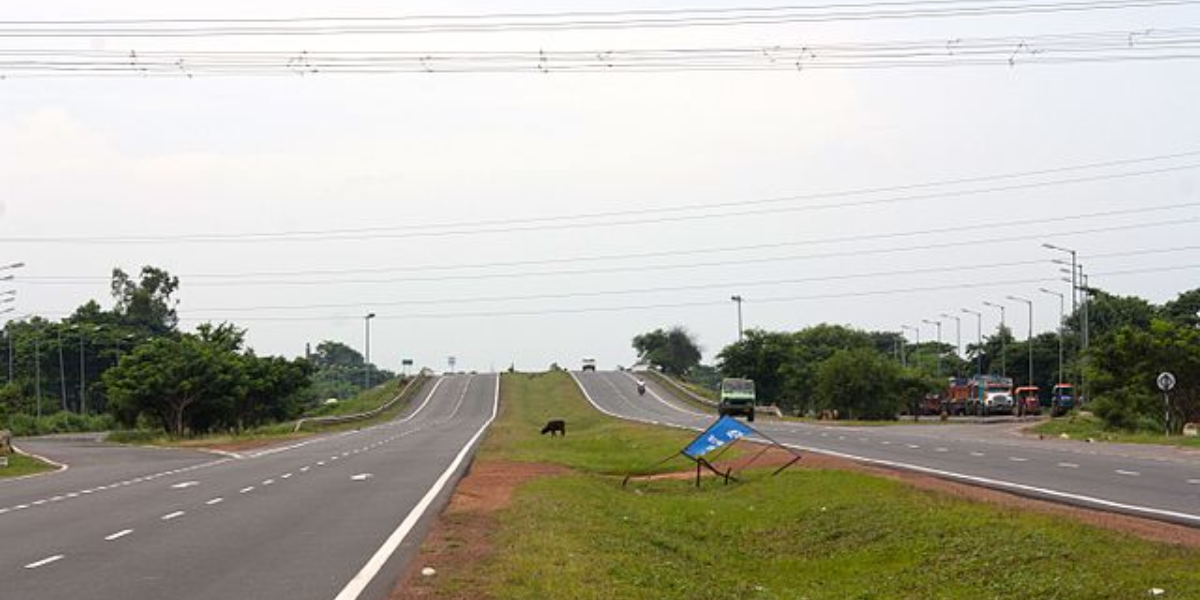
The long-anticipated Delhi–Dehradun Expressway is finally set to open, with Prime Minister Narendra Modi scheduled to inaugurate the corridor on April 14. The project marks a major leap in North India’s infrastructure push, promising faster, smoother, and more efficient travel between the national capital and one of the country’s most popular hill destinations.
All About Delhi–Dehradun Expressway
Delhi–Dehradun Expressway Route
Spanning approximately 210 kilometres, the access-controlled expressway will dramatically cut travel time between Delhi and Dehradun from around six to six-and-a-half hours to just about 2.5 hours. Designed for high-speed travel with a speed limit of up to 100 kmph, the corridor is expected to transform weekend travel, tourism, and daily commuting across regions. The project was handled by National Highways Authority Of India, NHAI.
The expressway begins near Akshardham Temple and passes through key towns in Uttar Pradesh, including Baghpat, Baraut, Muzaffarnagar, Shamli, and Saharanpur, before culminating in Dehradun. By offering a more direct and streamlined route, it is also expected to reduce congestion on existing highways, particularly the heavily used Delhi–Meerut stretch.
Delhi–Dehradun Expressway Cost And Other Details
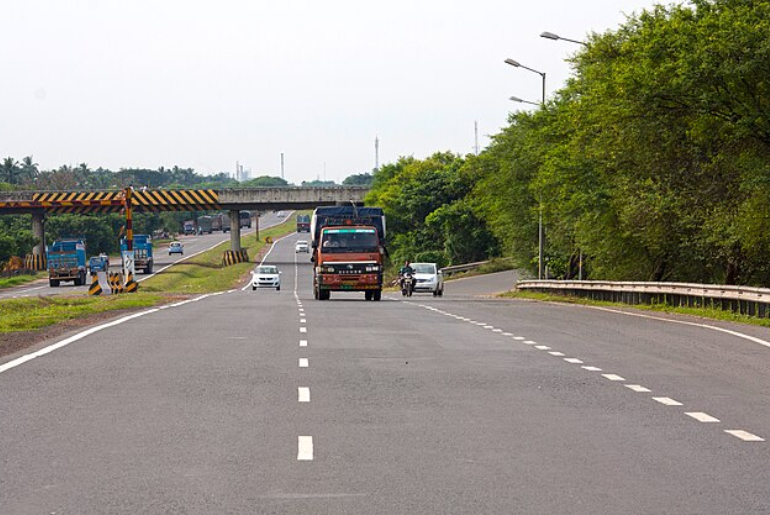
Built at an estimated cost of INR 12,000 crore, the six-lane corridor has been engineered with a strong focus on both efficiency and safety. It features seven interchanges, two rail overbridges, 10 major bridges, and 14 wayside amenities designed to improve the overall travel experience. These additions aim to ensure smoother traffic flow while also providing essential stops for commuters along the way.
One of the standout aspects of the project is its emphasis on environmental sustainability. A significant portion of the expressway passes through sensitive ecological zones, including areas near Rajaji National Park. To address this, planners have incorporated a 12-kilometre elevated wildlife corridor, believed to be among the largest in Asia. This allows animals to move freely beneath the highway without disruption. In addition, two 200-metre-long elephant underpasses and multiple animal crossings have been constructed to minimise human-wildlife conflict and reduce accidents.
The project also includes a crucial tunnel section near the Daat Kali Temple, further enhancing connectivity while preserving the surrounding landscape.
Beyond convenience, the expressway is expected to boost tourism and religious travel. A dedicated spur connecting to Haridwar and integration with the Char Dham Highway will make access to major pilgrimage sites and hill stations faster and more efficient.
Summing Up
As the inauguration date approaches, the Delhi–Dehradun Expressway stands out as a transformative project, one that not only reduces travel time but also sets new benchmarks for sustainable and future-ready road infrastructure in India.