
The Nashik-Trimbakeshwar Kumbh Mela, one of the world’s largest religious gatherings, is set to undergo a modern transformation. As millions of devotees prepare to descend upon the banks of the Godavari River, the Maharashtra Tourism Department has announced a landmark initiative. The introduction of a comprehensive heli-tourism circuit. This move aims to blend ancient tradition with modern efficiency, ensuring that the spiritual journey is accessible, safe, and seamless.
A Modern Solution For A Timeless Tradition
Taking place every 12 years along the banks of the Godavari River in Nashik and Trimbakeshwar, the Nashik Kumbh Mela is set to start on October 31, 2026. It will run until July 2028.
Historically, the festival has been synonymous with massive footfalls – often exceeding 90 lakh devotees on peak days – leading to immense pressure on local infrastructure and road networks.
To mitigate the perennial issues of traffic congestion and long-distance travel fatigue, the state government is launching specialized helicopter services. Operated by private agencies under government oversight, these services are designed to provide a faster, more efficient alternative to road travel, allowing pilgrims to navigate the holy city and its surroundings from the skies.
The Heli-Tourism Circuit: Connecting The Divine
The initiative is not limited to Nashik alone. The government has envisioned an integrated “Heli-tourism circuit” that connects several high-profile pilgrimage and heritage sites across Maharashtra. This network is expected to include:
- Shirdi: Home to the Sai Baba Temple.
- Trimbakeshwar: One of the twelve Jyotirlingas and a primary site for Kumbh rituals.
- Bhimashankar: Another vital Jyotirlinga located in the Pune district.
- Grishneshwar, Ajanta, and Ellora: Significant UNESCO World Heritage and religious sites near Aurangabad.
By linking these destinations, the circuit allows devotees to complete a multi-city pilgrimage in a fraction of the time usually required by road or rail.

Strategic Infrastructure And Crowd Management
The introduction of aerial services is a key component of a larger INR 15,000 crore investment plan for the Mela. This massive budget is being allocated toward:
- Helipad Development: District administrations have been directed to identify and prepare helipads in close proximity to major shrines to minimize “last-mile” travel.
- Logistics and Safety: Improving connectivity and emergency response capabilities.
- Decongestion: By shifting a portion of the passenger load to the air, authorities hope to keep critical arterial roads clear for local movement and emergency services.
Key Dates and Rituals
The upcoming Kumbh Mela will feature several significant milestones that are expected to draw the highest density of crowds:
- October 31, 2026: Official commencement with the traditional flag-hoisting ceremony.
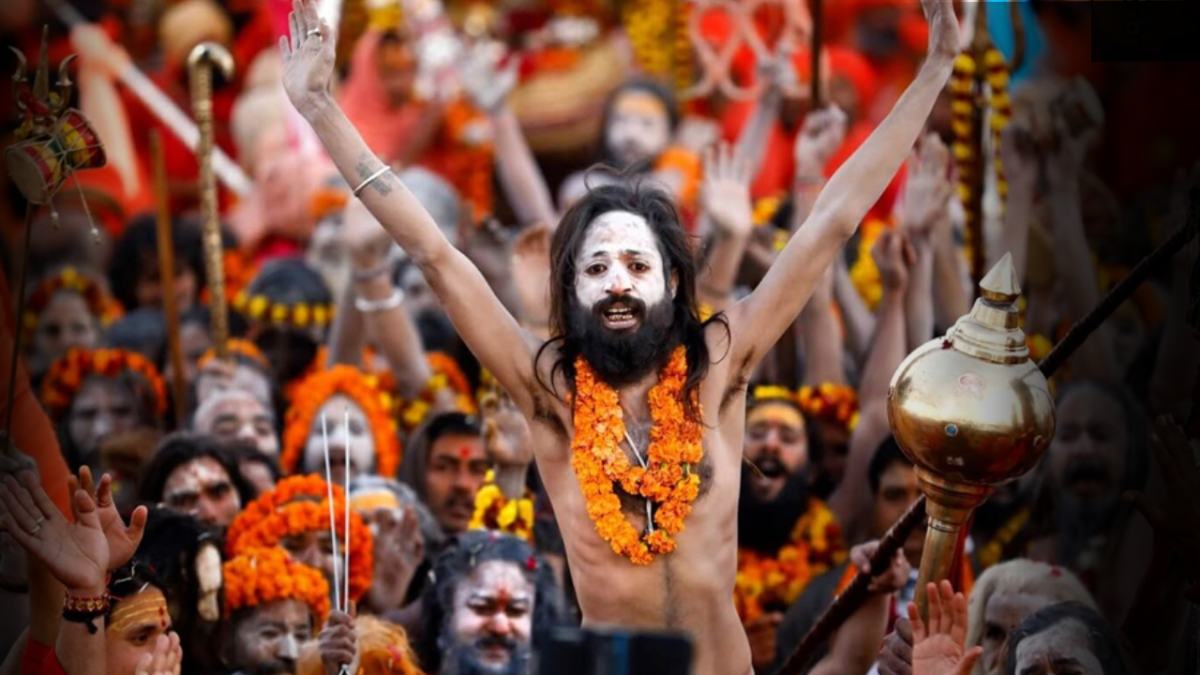
- Shahi Snan (Royal Bath): The most auspicious dates where Naga Sadhus and devotees take a dip in the Godavari.
- Nagar Pradakshina: The holy procession around the city.
The availability of helicopter services during these peak windows is expected to be a major draw. Especially for elderly pilgrims, international tourists, and those with limited time.
Summing Up
The integration of helicopter services into the Nashik Kumbh Mela 2026 represents a significant shift in how India manages mega-events. By leveraging technology to solve logistical nightmares, the Maharashtra government is ensuring that the sanctity of the festival is preserved while the comfort of the pilgrim is prioritized. As the city gears up for this 20-month-long celebration, the view from above promises to be as breathtaking as the devotion on the ground.