
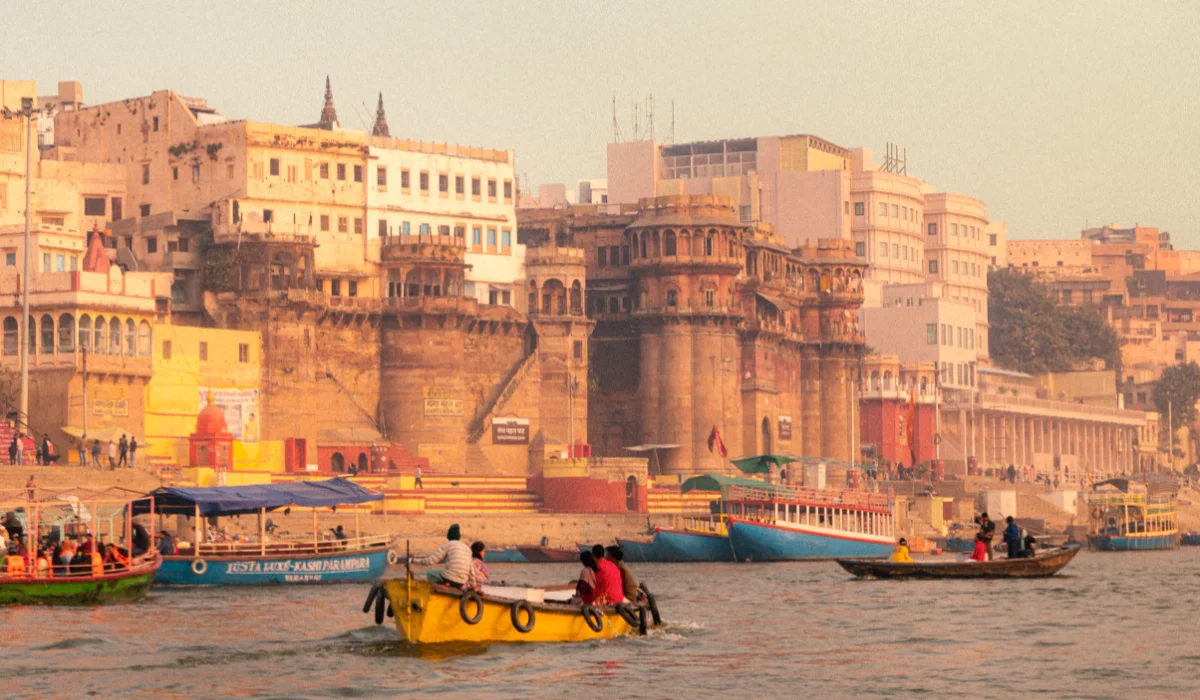
Varanasi is a city that knows how to celebrate festivals. With its rustic, laidback atmosphere, the sound of temple bells, and the serenity of the Ganga ghats, a Varanasi trip becomes more than just a sightseeing activity.
Whether you want to witness the famous Ganga Aarti, seek blessings at Kashi Vishwanath Temple, explore the city’s centuries-old lanes or experience the spectacular Dev Deepawali celebrations, there is plenty to look forward to. In this blog, let’s take a look at how to plan a Varanasi trip during the festive season and how to make the most of it.
When Is The Best Time To Visit Varanasi During The Festive Season?
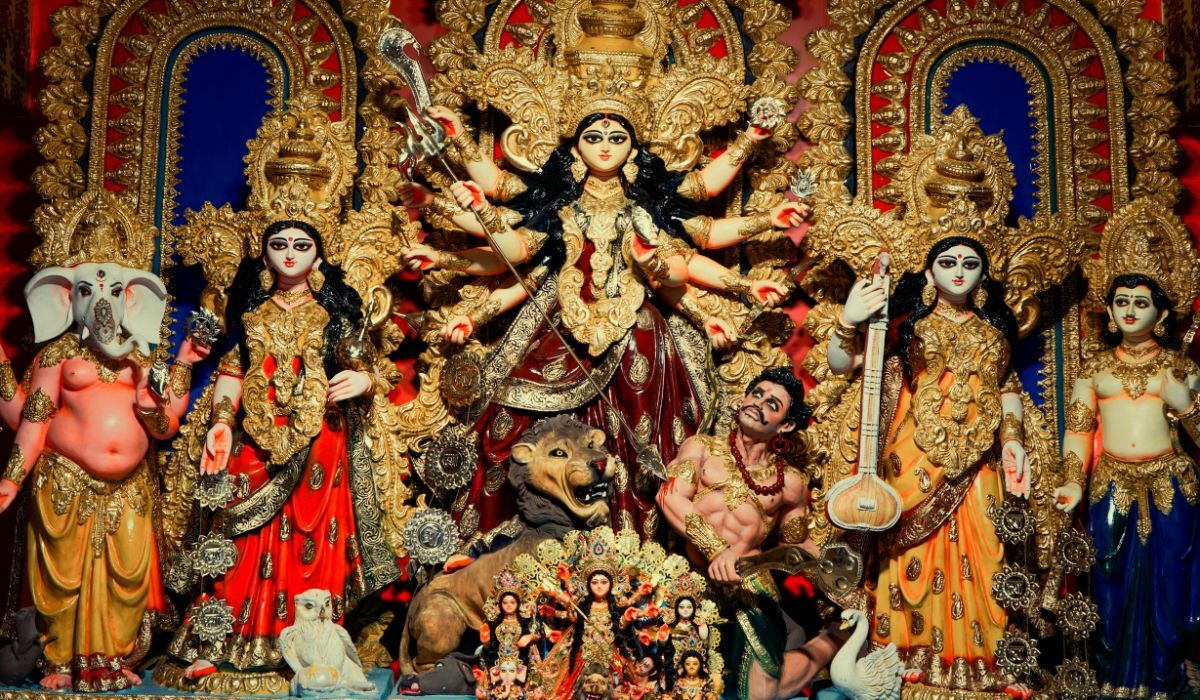
October and November are popular months for visiting Varanasi. These months are when a lot of major Hindu festivals like Navratri, Dussehra, and Deepavali take place. The weather also becomes progressively more pleasant and cooler.
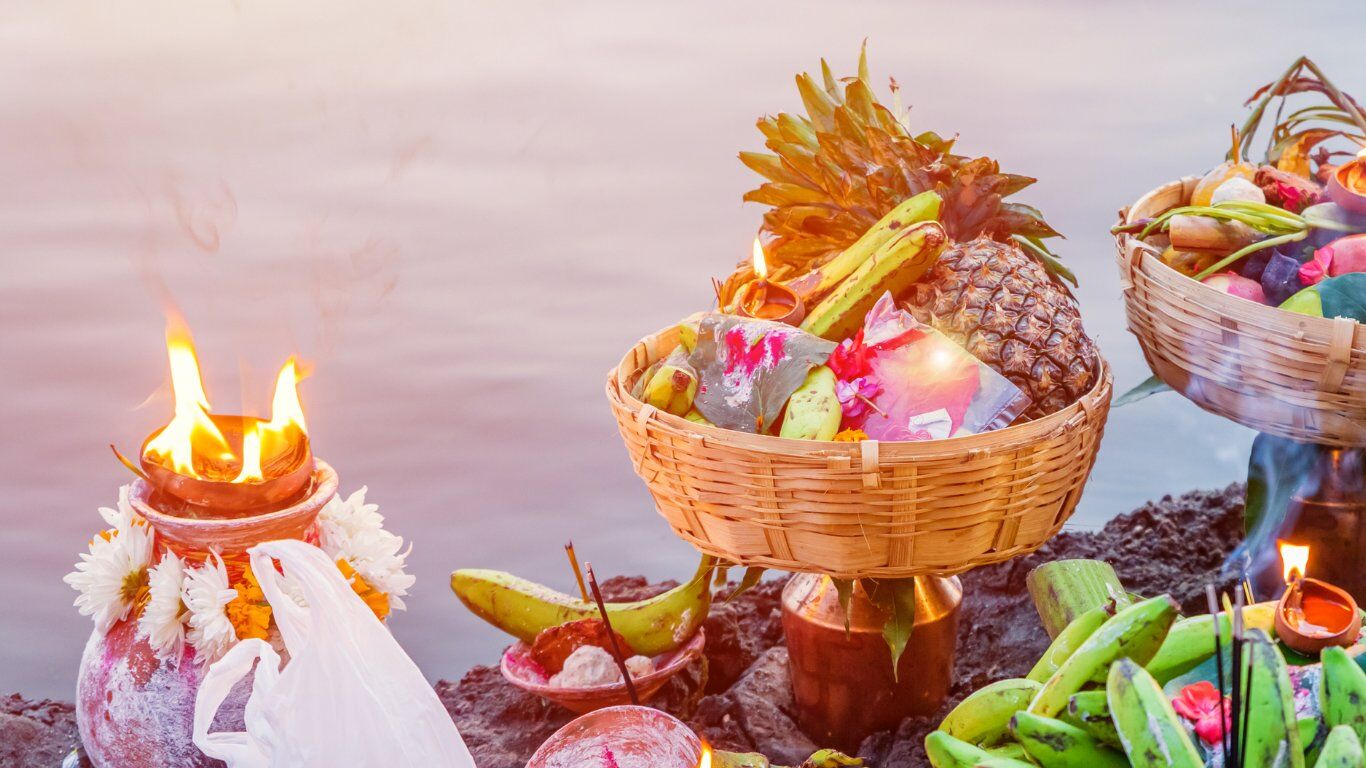
If you’re planning your Varanasi trip around Diwali, expect a festive atmosphere across the city, with homes, temples and ghats illuminated with lamps. The celebrations continue into Dev Deepawali, observed on the full moon of the Hindu month of Kartik, approximately 15 days after Diwali.
However, if you’re planning to visit Varanasi during the Deepavali season, it is recommended to make your arrangements in advance. Book your flights and accommodation in advance to avoid last-minute inconveniences.
Book Your Stay And Transport In Advance
Accommodation is easily one of the most crucial expenses when booking a trip. And naturally, the most important thing to do when planning a Varanasi trip is to sort your accommodation in advance.
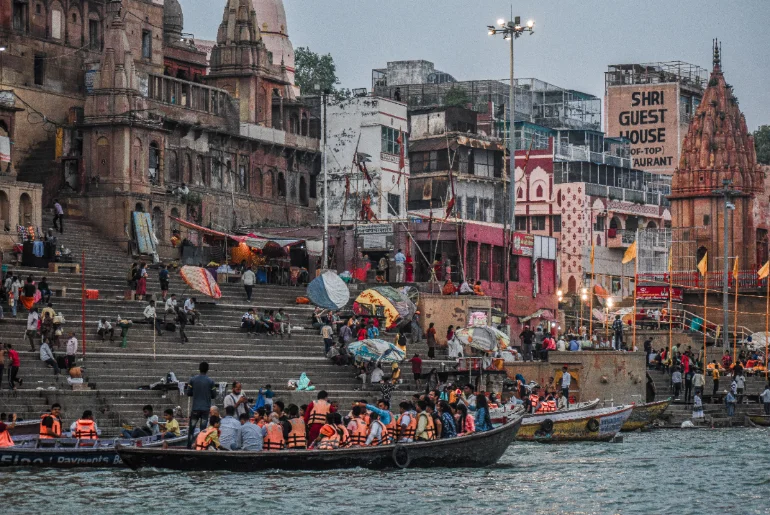
Festive season means hotels and homestays would be getting booked out faster than expected. Hotels near the ghats offer easy access to the riverfront and evening ceremonies, but these can get quickly sold out. There are plenty of properties around Godowlia and other central areas that can be convenient for visiting the major temples and shopping streets. Some hotels are located inside narrow lanes where you may have to walk the final stretch with your luggage, so make note of that too.
Compare the property’s exact location, accessibility and cancellation policy before confirming your reservation. Make sure the property you book has good reviews on Google or third-party booking websites.
Good News: Varanasi Enjoys Excellent Connectivity
For travel, Varanasi is connected to several Indian cities by rail and air. Lal Bahadur Shastri International Airport serves the city, while Varanasi Junction and Banaras railway stations offer rail connections. Festival dates can mean higher demand for flights, trains and taxis, so reserve tickets early.
Once you arrive, remember that walking is often the easiest way to explore the old city. E-rickshaws and auto-rickshaws can be useful for accessible stretches, but vehicles may not be able to enter the narrowest lanes or reach the ghats, especially during major celebrations.
Also Read: 10 Varanasi Travel Tips Every First-Time Visitor Should Know Before Going
Varanasi Trip Highlights: What To See
Plan Your Kashi Vishwanath Temple Darshan
Any Varanasi trip is incomplete without a visit to the Kashi Vishwanath Temple. Dedicated to Lord Shiva, the temple is among one of the most revered sites in Hinduism.
During the festive season, queues can become particularly long, especially on auspicious days and around major religious celebrations. So it is recommended to start early to avoid the heavy crowd as the day progresses. Before your visit, check the temple’s official website for current darshan timings, entry arrangements, and security restrictions.
When visiting the temple, make sure to follow local dress codes, carry only essential belongings, and follow local traditions and rituals.
Experience The Varanasi Ganga Aarti
The Varanasi Ganga Aarti is one of the most loved experiences in Varanasi. Every evening, priests perform elaborate rituals along the river, accompanied by bells, chants, incense, and grand ceremonial lamps.
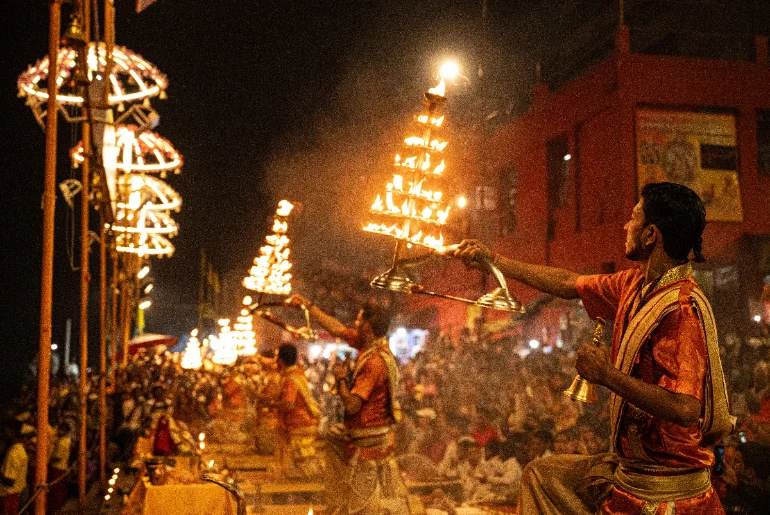
The best ghat to experience a divine Ganga Aarti is the Dashashwamedh Ghat. Arrive well in advance, around 6 PM if you want a good viewing position. During the festive season, especially around Dev Deepavali, crowds can considerably increase. In fact, Ganga Aarti is a major ritual during the Dev Deepavali celebrations. During this festival, expect a lot of pilgrims, locals, tourists, and photographers flocking the ghats for the aarti experience.
The areas near the ghats can become crowded, and access may be affected by security arrangements or temporary restrictions.
Another option is to watch the ceremony from a boat on the Ganga. This offers a different perspective of the illuminated riverfront, but boat availability, prices and boarding arrangements can change during festivals. If you’re going for this experience, make sure to book only through a reliable operator, check the safety of the boat, and negotiate the fare beforehand.
Also Read: How Many Days Do You Need In Varanasi? Here’s What You Can See In 1, 2 Or 3 Days
Visit Other Ghats And Temples
While Kashi Vishwanath Temple and Dashashwamedh Ghat are essential stops, Varanasi has a temple in almost every corner and on every street.
Manikarnika Ghat is one of the city’s most significant cremation ghats and holds deep religious importance. Visitors should approach the area respectfully, avoid intrusive photography and remember that the rituals taking place are an important part of local life and belief.
Then there’s Assi Ghat, one of the more famous ghats along the Southern end of the city. It is a good place to be at to enjoy a morning stroll and watch the local life unfold in the early morning hours.
You can also visit the famous Sankat Mochan Hanuman Temple, dedicated to Lord Hanuman. You can visit the Lalita Ghat, home to the distinctive Nepali-style Kathmandu (Nepali) Temple. If you’re interested in history and architecture, Sarnath, located outside the main city, makes a worthwhile half-day excursion. It is where Gautama Buddha is believed to have delivered his first sermon after attaining enlightenment.
During festival periods, avoid squeezing every attraction into one day. The city’s narrow lanes, queues, and traffic can make navigating even short distances quite time-consuming.
Explore Varanasi’s Food And Shopping Scene
No Varanasi trip can be complete without trying its local food and shopping local Banarasi products.
Varanasi street food is characterized by its few stand-outs like kachori sabzi, tamatar chaat, chooda matar, and malaiyyo during the cooler months. And of course, you cannot miss trying out the Banarasi Paan.
However, during the festive season, expect crowds at popular establishments in Varanasi. The high demand during the festive season can sometimes compromise food quality, so check the food and water you’re having.
If you enjoy shopping, look out for Banarasi silk sarees, textiles, traditional jewelry, and local handicrafts. The markets in Varanasi around Thatheri Bazaar, Chowk and Vishwanath Gali are worth exploring, although navigating them can be challenging during peak hours. Compare prices at a few shops, ask about silk authenticity and request a proper bill when making expensive purchases.
Also Read: Where Should You Stay In Varanasi? Assi Ghat, Godowlia Or Cantonment Compared
Varanasi Travel Tips For Managing Festival Crowds
The most important rule for visiting Varanasi during the festive season is to book your accommodation and transport options in advance.
Avoid squeezing too many things in your itinerary and keep it flexible considering festival dates.
Wear comfortable footwear, as exploring the old city involves plenty of walking. Carry drinking water, keep your phone charged and save your hotel’s contact details offline. If you’re travelling with elderly relatives, discuss walking distances and accessibility with your hotel before arrival.
Dress comfortably and respectfully when visiting religious sites, and follow local instructions regarding photography and entry.
Keep your valuables secure, use authorized transport where possible and confirm fares before beginning a journey.
Finally, remember that festival schedules, security restrictions and access arrangements can change. Check official announcements from the temple authorities, local administration and transport providers before setting out.
Note: All information used in this article has been taken from verified sources
Summing Up
Planning a Varanasi trip during the festive season is all about balancing different experiences with practical preparations. Book your accommodation in advance, check temple timings, road traffic diversions, etc, carry all essentials, and wear modest clothing and comfortable footwear. If you’re visiting for Dev Deepawali Varanasi 2026, expect extraordinary views, a deeply festive atmosphere and substantial crowds.