

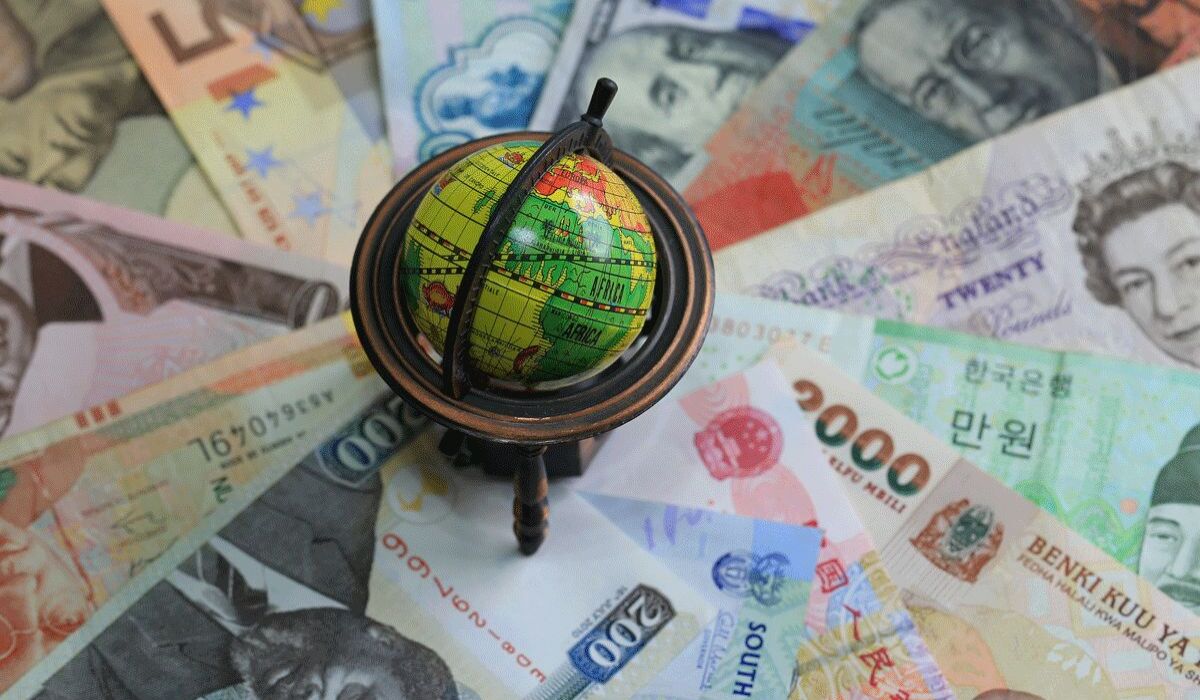
Planning an international trip from India involves more than booking flights, arranging accommodation, and getting your visa approved. Travelers also need to consider how much money to carry, especially when foreign currency is required for taxis, meals, shopping, and other expenses immediately after arrival. Although carrying cash is convenient, exceeding the permitted allowance can create problems at customs.
How much cash you should carry abroad depends on the currency, destination, and purpose of your trip. The Reserve Bank of India (RBI) sets specific rules for foreign exchange, with exceptions for some countries and religious pilgrimages. Knowing these rules helps you plan your finances before leaving.
How Much Foreign Cash Can You Carry From India?
Under RBI regulations, Indian residents traveling abroad for most purposes can obtain foreign currency notes and coins worth up to USD 3,000, or the equivalent in another currency, per visit. This is the general foreign currency limit in India for destinations such as the United States, United Kingdom, Thailand, and most European countries.
The USD 3,000 allowance applies only to physical foreign currency bought for travel. Under the Liberalized Remittance Scheme (LRS), eligible residents can send up to USD 250,000 per financial year for permitted purposes. For expenses beyond the cash allowance, use authorized banking channels, forex cards, or other payment methods.
Are There Exceptions To The USD 3,000 Cash Limit?
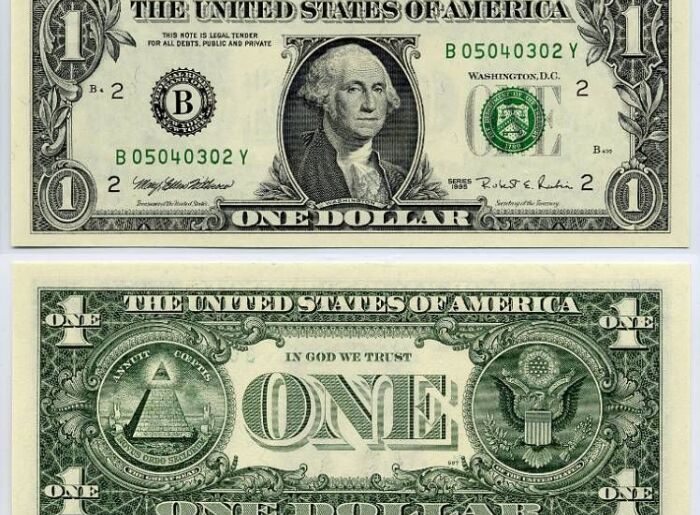
Although USD 3,000 is the general allowance, RBI forex rules for travelers provide exceptions for certain destinations. Those visiting Iraq or Libya may obtain foreign currency notes and coins worth up to USD 5,000 per visit. Travelers visiting Iran, Russia, and specified Commonwealth of Independent States countries may be permitted to obtain their eligible foreign exchange entitlement in physical currency. In addition, separate provisions apply to Haj and Umrah pilgrims, who may receive their permitted entitlement in cash, subject to applicable Haj Committee limits. These exceptions matter if you need to carry more cash for your trip.
When Must You Declare Cash At Customs?
The cash limit for international travel differs depending on whether travelers are leaving India or returning home. Indian residents can generally carry up to INR 25,000 in Indian currency notes when traveling to or from countries other than Nepal and Bhutan, which have separate restrictions. When returning to India, travelers can bring foreign exchange without a general monetary ceiling. However, a declaration is required if foreign currency notes exceed USD 5,000 or the combined value of foreign exchange, including travelers’ checks, exceeds USD 10,000.Keep your currency exchange receipts and supporting documents, especially if you’re carrying a large amount.
How Much Cash Can You Carry To Popular International Destinations?

Check both India’s rules and your destination’s declaration requirements before your trip. The rules for carrying cash vary between countries.
United States: Travelers carrying more than USD 10,000 in currency or qualifying monetary instruments must report it to customs. This threshold applies to the combined amount carried by family members traveling together.
European Union: Anyone entering or leaving the EU with cash worth EUR 10,000 or more must declare it to customs authorities.
United Kingdom: Travelers entering or leaving Great Britain with GBP 10,000 or more must declare the amount. Northern Ireland follows separate requirements.
Indonesia: Travelers visiting Bali or other Indonesian destinations must declare cash or qualifying monetary instruments worth IDR 100 million or more.
United Arab Emirates: Travelers carrying cash and specified valuables exceeding AED 60,000 must complete the applicable declaration.
What Happens If You Exceed The Permitted Cash Limit?
If you go over the allowed cash limit, authorities may question you, seize the cash, or impose penalties under foreign exchange and customs laws. What happens next depends on whether you got the money legally and if you made any required declarations. Under the Foreign Exchange Management Act, violations may attract financial penalties determined through the applicable legal process. Travelers should retain receipts from authorized foreign exchange dealers and provide accurate information when questioned by customs officials. Even if your destination allows more, India’s rules on how much foreign currency you can take out still apply.
Can You Purchase Foreign Exchange Using Indian Cash?
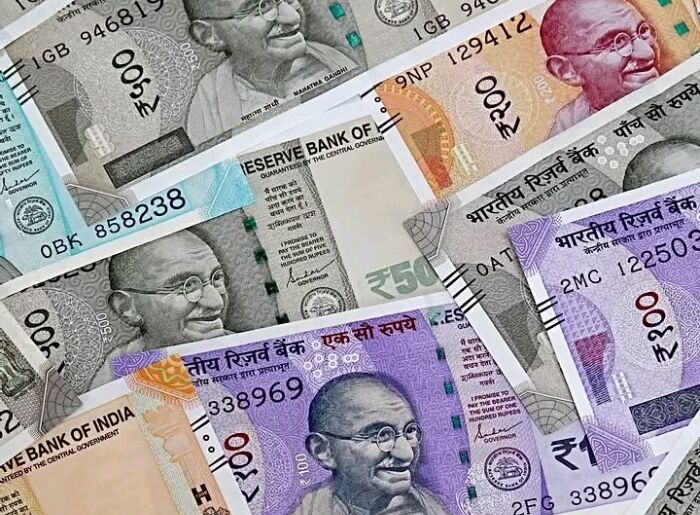
Buying foreign currency and taking it abroad are subject to different rules. For foreign exchange purchases of ₹50,000 or more, payment must be made through permitted banking or electronic payment methods rather than physical cash. This requirement applies to the purchase transaction, regardless of the amount eventually carried abroad.Compare exchange rates, transaction fees, and convenience when deciding between cash and card payments abroad.
Planning a five-day trip to Singapore? Find out how much Singapore currency you should carry from India, along with tips for managing cash and card payments during your holiday.
What Happens To Unused Foreign Currency After Your Trip?
Indian residents can generally retain foreign currency notes and travelers’ checks totaling up to USD 2,000 for future use. Foreign coins can generally be retained without a monetary ceiling. If you have more than the allowed amount after your trip, surrender the excess to an authorized dealer within the required period. Rules for cash, travelers’ checks, and forex cards may differ, so check what’s required for each.
Should You Carry Cash Or Use A Forex Card Abroad?
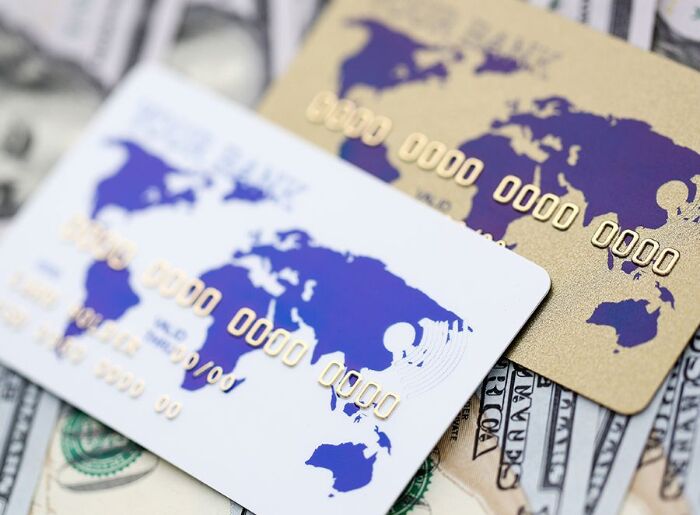
Whether you take cash or a forex card depends on how you plan to spend money. Cash is handy for small purchases, local transport, and places that don’t accept cards. Carrying large amounts increases your risk of theft or loss. A forex card lets you make purchases and withdraw cash from compatible ATMs. International debit and credit cards are also convenient, but may include foreign transaction fees and exchange rate markups. It’s usually best to use a mix of payment methods rather than just cash.
Planning an international trip? Discover smart currency exchange tips for travelers, including how to get better exchange rates, avoid unnecessary fees, and manage your money abroad.
Author’s Note
The information in this article has been compiled using reports from The Times of India and The Economic Times, along with official guidelines from the Reserve Bank of India, Indian Customs, U.S. Customs and Border Protection, the European Union, and the UK Government. These sources were used to understand foreign currency limits, cash declaration requirements, and regulations for international travelers. Since currency rules and reporting requirements can change, travelers should check the latest official guidelines before departure.
Summing Up
Most Indian residents can carry up to USD 3,000 in cash per international trip, with higher limits for some destinations and religious pilgrimages. India’s foreign exchange rules and your destination’s customs declaration thresholds are separate requirements. Check regulations, compare your payment options, and carry a mix of cash and cards before you travel. This makes handling money abroad much easier.