
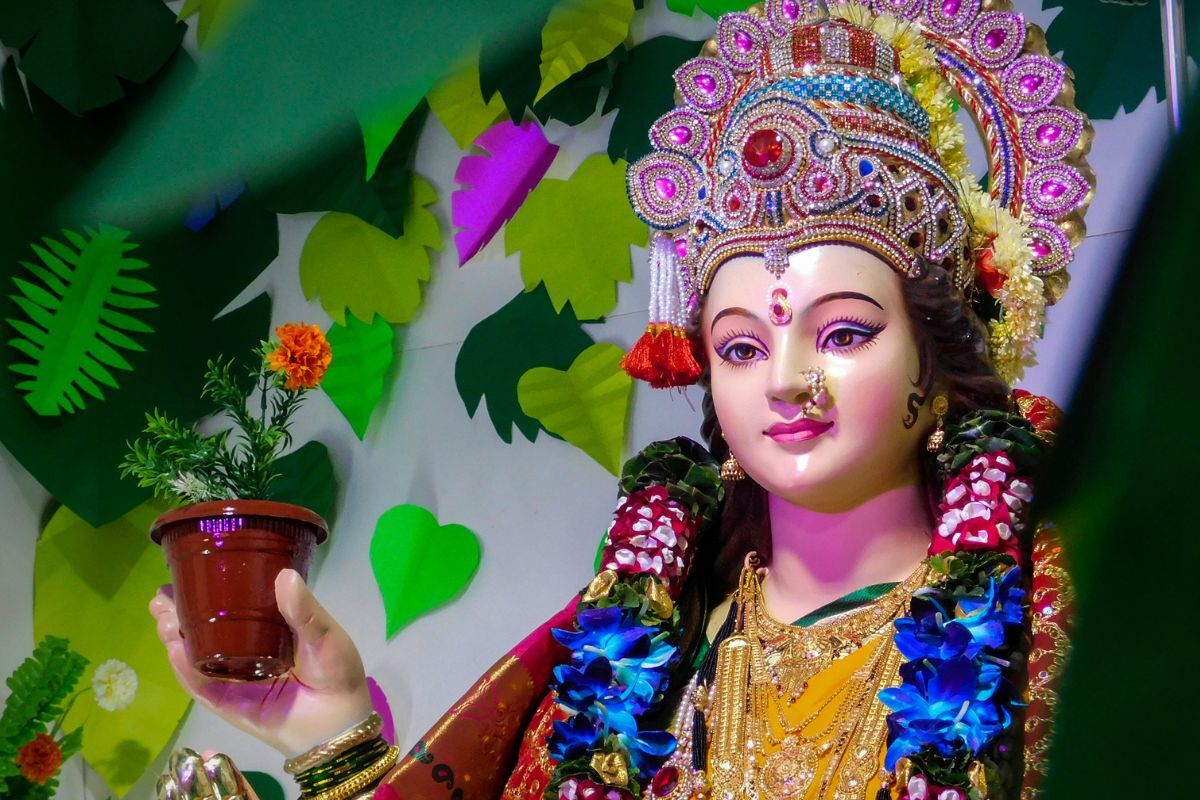
Navratri, or Shardiya Navratri, is one of Hinduism’s most vibrant and sacred festivals. This festival celebrates the divine feminine energy, which is known as Shakti, and the victory of good over evil. Every year, this festival is celebrated with great fervor. enthusiasm across India. This year, Shardiya Navratri is set to begin on October 11, Sunday, with Ghatasthapana and will end on October 19, Monday. The 10th day marks Vijayadashami, which is on October 20. Here’s everything more you must know about Navratri 2026.
Shardiya Navratri 2026
Navratri means “nine nights” and is dedicated to the nine forms of Goddess Durga. The festival is known to celebrate the victory of Goddess Durga over the demon Mahishasura. Shardiya Navratri takes place in the autumn period and is marked by large public celebrations. It marks the transition from monsoon season to early winter season. Many people observe fast during this period to cleanse their soul and thoughts.
Ghatasthapana Muhurat 2026
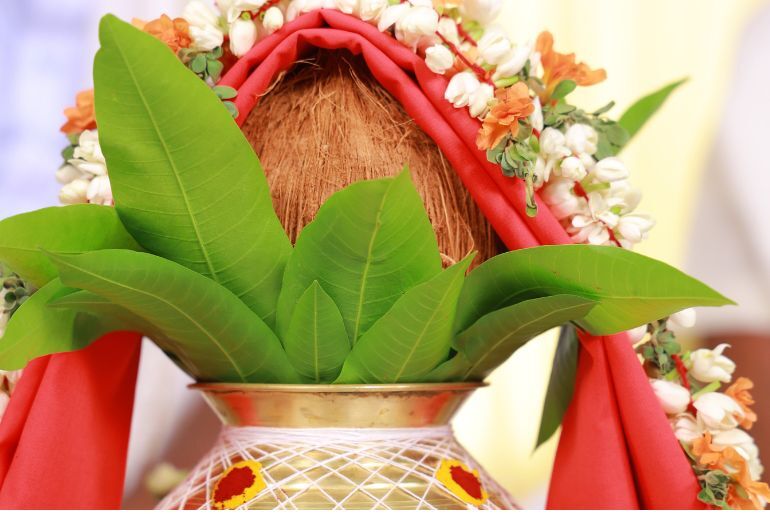
Shardiya Navratri begins with Ghatasthapana or Kalash Sthapana. This is a sacred ritual that is performed to invoke Goddess Durga into a water pot or Kalash, which marks the beginning of the sacred nine-night festival. This Ghatasthapana is performed in a specific muhurat.
Date: October 11, 2026
Ghatasthapana Muhurat: 6:19 AM to 10:12 AM.
Make sure you never place the Kalash during Vaidhriti Yoga or Chitra Nakshatra. If you miss the Ghatasthapana Muhurat for any reason, do it during the Abhijit Muhurat. Abhijit Muhurat is a good morning alternative.
Abhijit Muhurat: 11:44 AM to 12:31 PM
Also Read: Ahmedabad Navratri 2026: Where To Go For Garba, What Tickets Cost & How Entry Works
How To Do Ghatasthapana 2026?
Take a shallow mud pot and fill it with clean soil and sow barley or jau seeds in it.
Now take a kalash (clay, copper, or brass) filled with clean tap water and Ganga water on a mud base.
Place 5 to 7 mango leaves over it, around the rim of the kalash. Also drop a cardamom, a coin, and betel nut into the water. Take an unpeeled coconut, wrap it in a red cloth, tie it with a holy thread of Kalava, and place it over the leaves.
Light a cow ghee or an oil lamp, which is known as Akhand Jyoti. This lamp must stay lit continuously for nine days.
Also Read: Where Is Garba Happening In Bengaluru For Navratri 2026? Tickets, Venues & Dates
Navratri Colours 2026
Each day of Navratri is known to honor one unique manifestation or form of Goddess Durga. This is accompanied by sacred offerings and color traditions. Let’s take a look at Navratri 2026 day-wise colors and forms of Goddess Durga.
11 October: Orange: Maa Shailputri
Maa Shailputri is the daughter of the Mountain King Himavan. She is seen riding a bull with a trident and a lotus in her hands.
12 October: White: Maa Brahmacharini
Maa Brahmacharini is known as the embodiment of vows, meditation, and penance. She is seen holding a water pot and a rosary.
13 October: Red: Maa Chandraghanta
Maa Chandraghanta is known as the ten-armed warrior goddess. She is seen riding a tiger with a half-moon on her forehead.
14 October: Royal Blue: Maa Kushmanda
Maa Kushmanda is known as the cosmic creator with the most divine smile. She is seen riding a lion and has eight arms.
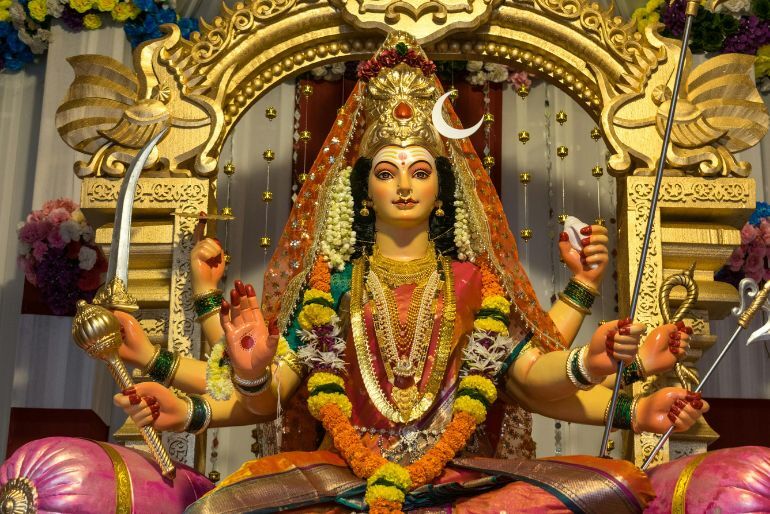
15 October: Yellow: Maa Skandamata
Maa Skandamata is known as the mother of Kartikeya. She is seen holding her son Skanda on her lap while riding a lion.
16 October: Green: Maa Katyayani
Maa Katyayani is known as the fierce protector born from the anger of the gods. She is seen holding a sword while riding a lion.
17 October: Grey: Maa Kaalratri
Maa Kaalratri is a fearsome, dark form that destroys evil spirits and fear. She is seen riding a donkey and has a necklace of skulls around her neck.
18 October: Purple: Maa Mahagauri
Maa Mahagauri is a form that symbolizes grace, purity, and inner transformation. She is seen riding a white cow and has a small drum in her hand.
19 October: Peacock Green: Maa Siddhidatri
Maa Siddhidatri is known as the bestower of supernatural powers and fulfillment. She is seen seated on a lotus and has a shankha in her hand.
Also Read: Planning Vaishno Devi Yatra During Navratri 2026? Here’s How To Visit The Shrine
When is Dussehra 2026?
Dussehra 2026, or Vijayadashami 2026, will be celebrated on October 20, 2026. This day has two separate stories, but the significance is the same. While some parts of India celebrate this day as Lord Ram’s victory over the demon king Ravana, other parts celebrate it as Goddess Durga’s victory over the demon Mahishasura. It is an auspicious festival for Hindus and is celebrated in a different way by each community.
The Vijay Muhurat on Dussehra means the auspicious daytime window that is believed to bring victory over obstacles. During this muhurat, people worship Goddess Aparajita ( a form of Goddess Durga who is believed to be invincible). It is the time when many communities perform Shashtra and Ayudha Puja or even Vidya Arambh.
Vijay Muhurat: 2:19 PM to 3:06 PM
Also Read: Where Is Falguni Pathak Performing For Navratri 2026 In Mumbai? Tickets, Venue & More
Note: This article was compiled after verifying current publicly available business information.
Summing Up
Navratri is one of the most auspicious festivals in Hinduism and will be celebrated from October 11, 2026 to October 19, 2026 in India. For nine days, nine different forms of Goddess Durga are worshipped. The festival begins with Ghatasthapana and ends with Dussehra.