
What Are The 10 Best Places To Visit In Paris?
1. Eiffel Tower
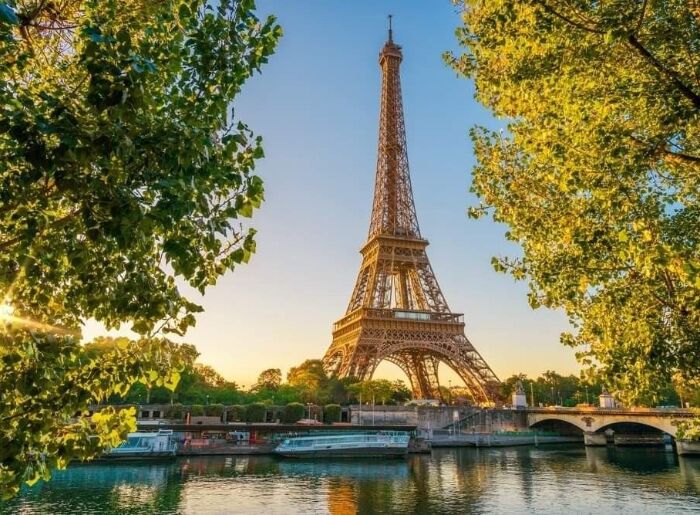
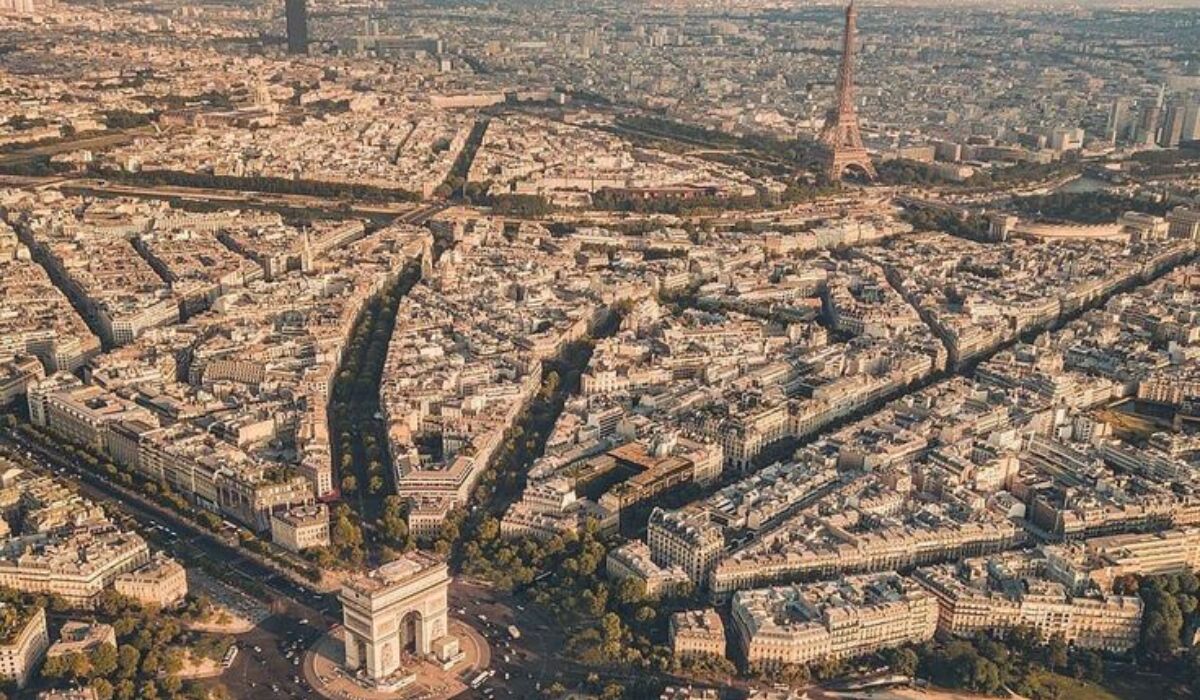
No list of famous places in Paris really works without the Eiffel Tower. You can see it from different parts of the city, but spending some time around Champ de Mars or across the Seine gives you a chance to appreciate the structure without immediately rushing to the top. Visiting after dark also offers a completely different atmosphere when the tower is illuminated. Going up the Eiffel Tower is optional, not something every visitor has to do. If your main priority is seeing the landmark itself, viewpoints elsewhere in Paris can offer a city panorama that includes the Eiffel Tower.
2. Louvre Museum
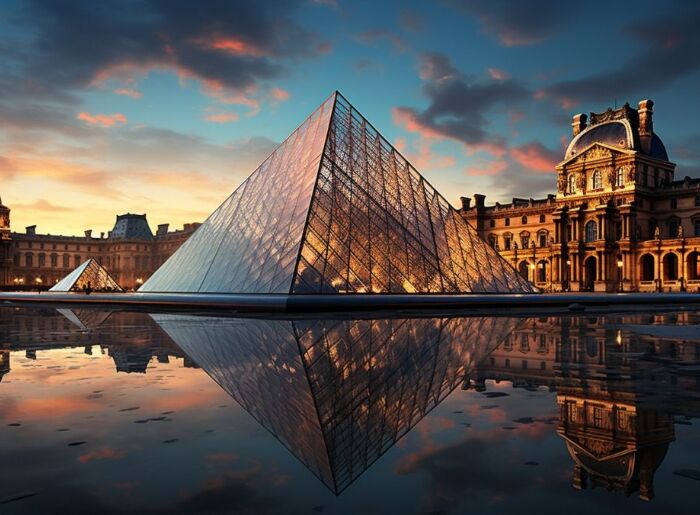
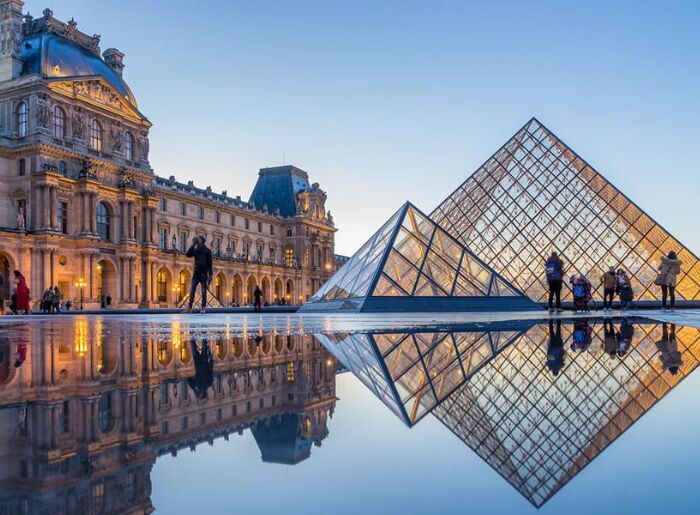
The Louvre is enormous, so arriving without a clear idea of what you want to see can quickly become overwhelming. Instead of trying to cover the entire museum, choose a few collections or sections that genuinely interest you. The Mona Lisa naturally attracts some of the biggest crowds, while other parts of the museum can feel considerably calmer. The Richelieu Wing and Napoleon III Apartments are among the areas worth considering if you want to explore beyond the museum’s most famous painting. Booking a timed entry in advance can also make planning your visit easier.
3. Notre-Dame, Île De La Cité And Sainte-Chapelle
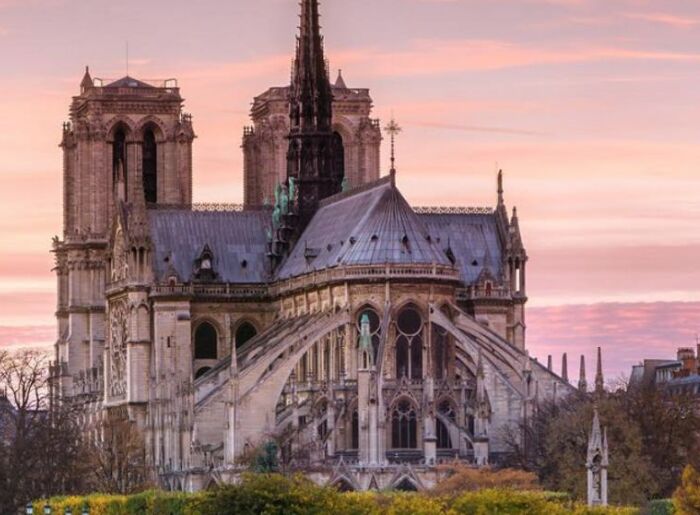
Île de la Cité packs several important Paris landmarks into a relatively small area. Notre-Dame Cathedral is the obvious centrepiece, but it makes sense to explore the island rather than visiting the cathedral alone. From there, walking along the Seine also offers different views of the cathedral and the surrounding historic buildings. Nearby Sainte-Chapelle is particularly known for its towering stained-glass windows, many of which date to the 13th century. The Conciergerie is another nearby attraction, making this an easy area to dedicate a few hours to without constantly using public transportation.
4. Montmartre And Sacré-Cœur
Montmartre deserves more time than simply climbing the hill, photographing Sacré-Cœur, and heading somewhere else. Walking through the surrounding streets leads to Place du Tertre and gives you a better sense of the neighborhood long associated with Parisian artists. Expect hills, steps, and plenty of walking. Comfortable shoes make a difference, and the funicular near Sacré-Cœur offers an alternative for part of the climb. The area can become particularly busy later in the day, so travelers who prefer quieter streets may want to explore earlier.
5. Musée d’Orsay
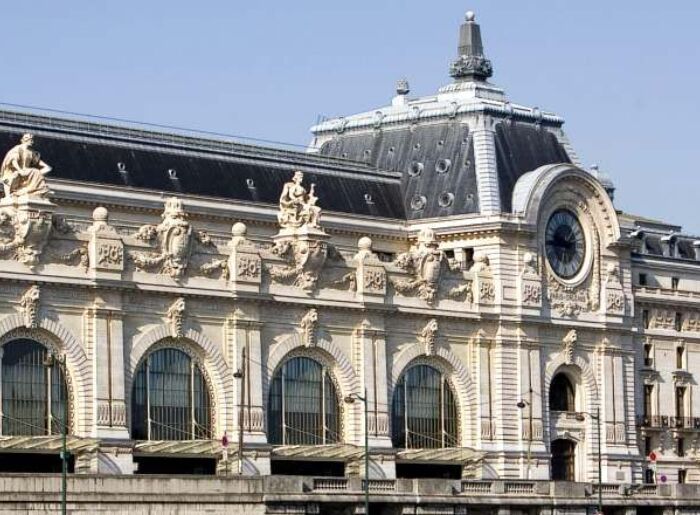
Travelers interested in art but intimidated by the Louvre’s scale may find the Musée d’Orsay easier to explore. Housed in a former railway station, the museum is especially known for its Impressionist and Post-Impressionist collection, including works associated with artists such as Monet and Van Gogh. Its more manageable size means you can see a substantial portion of the collection without dedicating most of the day to a single museum. That makes it particularly useful when building a shorter Paris itinerary.
Planning a trip to Europe from India? Here’s a guide to which airlines are best to fly from India to Europe in 2026
6. Arc De Triomphe And Champs-Élysées
Standing at the center of a busy traffic circle, the Arc de Triomphe is impressive from ground level but also offers an elevated perspective over Paris. Visitors should use the underground pedestrian passages to reach the monument rather than attempting to cross the surrounding traffic. From the top, you can look along the Champs-Élysées and across the city toward the Eiffel Tower and other landmarks. Once back at street level, walking part of the Champs-Élysées is an easy addition to the visit.
7. The Seine
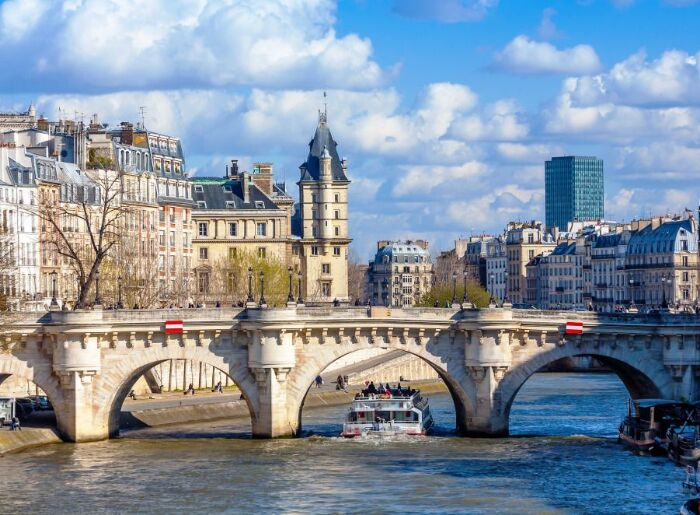
Walking beside the Seine lets you pass historic bridges, monuments, riverside buildings, and neighbourhoods at your own pace, making it particularly useful between scheduled attractions. A sightseeing cruise offers another way to experience the river without adding more walking to an already busy day. Late afternoon or around sunset works especially well because you can watch the city gradually shift from daylight to evening.
8. Tuileries Garden And Luxembourg Gardens
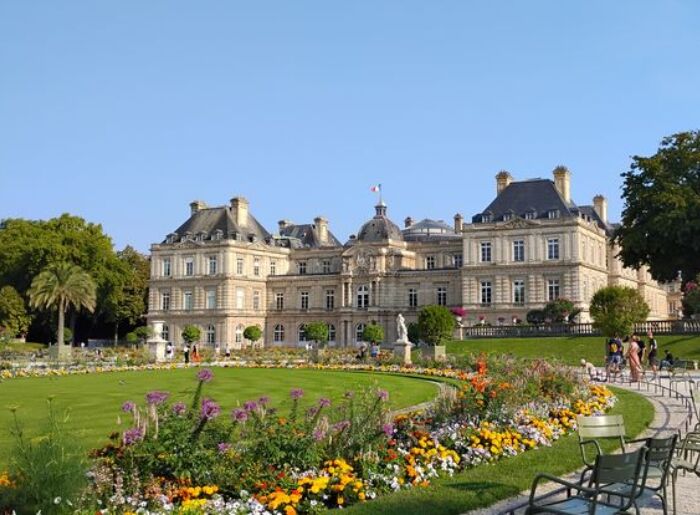
Tuileries Garden is particularly convenient after visiting the Louvre. Instead of immediately heading to another museum, you can walk through the gardens toward Place de la Concorde and give yourself a slower stretch between major attractions. Luxembourg Gardens fits better with a day around the Latin Quarter and Saint-Germain-des-Prés. With tree-lined paths, flower beds, lawns, and the Grand Bassin, it provides another quieter break from the busiest tourist attractions in Paris.
9. Le Marais
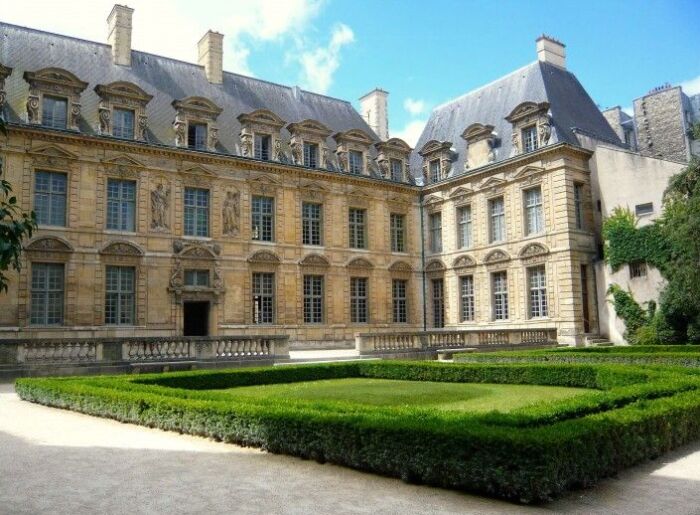
Le Marais gives you a reason to spend a few hours in Paris without having to organize the day around a single monument. The neighborhood is better approached as an area to explore, with historic streets, shops, cafés, and squares giving you plenty of reasons to wander. It also provides a useful contrast to museum-heavy sightseeing days. Instead of working through another checklist of individual attractions, leave some time to walk and decide where to stop as you go.
10. Palace Of Versailles
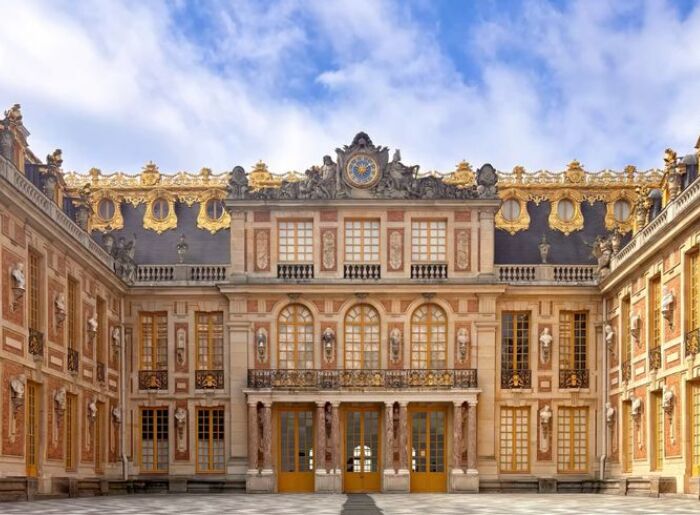
Versailles sits outside central Paris and deserves more time than the other attractions on this list. The palace and its extensive grounds make it better suited to a dedicated excursion rather than something squeezed between two city landmarks. For travelers staying in Paris for several days, Versailles offers a completely different experience.
Which Paris Attractions Should You Book In Advance?
The attractions that benefit most from planning are generally museums, monuments, and places with timed entry. The Louvre is one of the clearest examples, while Musée d’Orsay and Sainte-Chapelle are also easier to fit into your day when your entry is already organized. Palais Garnier is another attraction worth planning for if you want to see its grand staircase, decorated interiors, and auditorium rather than simply viewing the building from outside. Walking around Le Marais, spending time in Luxembourg Gardens, exploring the Seine riverfront, or wandering through the Latin Quarter can remain flexible. Leaving a few unscheduled periods also gives you room to slow down when you find an area you actually want to spend more time in.
Wondering which cities stand out globally? Explore the Top 10 Most Attractive Cities In The World In 2026.
How Can You Fit These Paris Attractions Into Your Trip?
The Louvre can be followed by the Tuileries Garden, Place de la Concorde, and a walk along the Seine. Notre-Dame, Sainte-Chapelle, the Conciergerie, and Île de la Cité work well together, while the Latin Quarter and Luxembourg Gardens can fill another part of the day. Give Montmartre a separate few hours for Sacré-Cœur, Place du Tertre, and the surrounding streets. The Arc de Triomphe pairs naturally with the Champs-Élysées, while a Seine cruise can finish a long sightseeing day. Versailles is better left for a separate excursion.
Traveling internationally with a layover in France? Here’s what to know as France scraps the airport transit visa requirement for Indian travelers.
Summing Up
The best places to visit in Paris for a first trip should offer more than just a collection of famous photographs. See the Eiffel Tower and Louvre, but also leave room for Montmartre, Île de la Cité, the Seine, Le Marais, and one of the city’s gardens. Most importantly, avoid packing too many Paris attractions into a single day. Group places by neighborhood, reserve major ticketed attractions in advance, and keep a few hours open for simply walking around. Paris has enough to see that there will always be something left for another trip.