

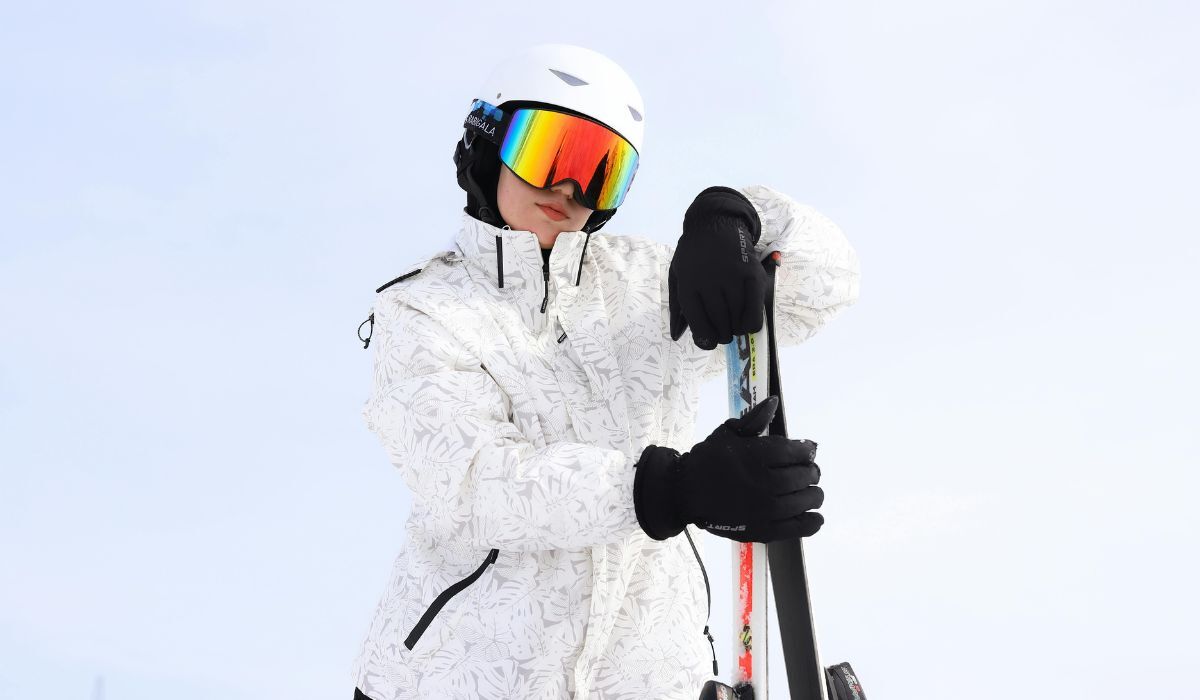
Traveling to sub-zero temperatures has its own thrill. Whether you’re going to domestic destinations like Himachal or Kashmir or heading to international wonderlands like Lapland or the Swiss Alps, the need for snow-appropriate winter gear is non-negotiable. Even more to the point is layering. You need at least three layers to effectively shield from the cold. These layers are base, insulation, and outer shell, respectively. This strategy is effective in retaining heat, warding off cold, and wicking away moisture. A crucial aspect of layering is also the material with which the gear is made. Certain synthetic materials are particularly good at insulating, and it is those materials that you need to use. unstumbled has set up this guide for essential winter gear that is designed to keep travelers safe, dry, and warm in heavy snow and freezing conditions.
Best Winter Gear To Invest In
1. Thermal Base Layers: Merino Wool vs. Synthetics
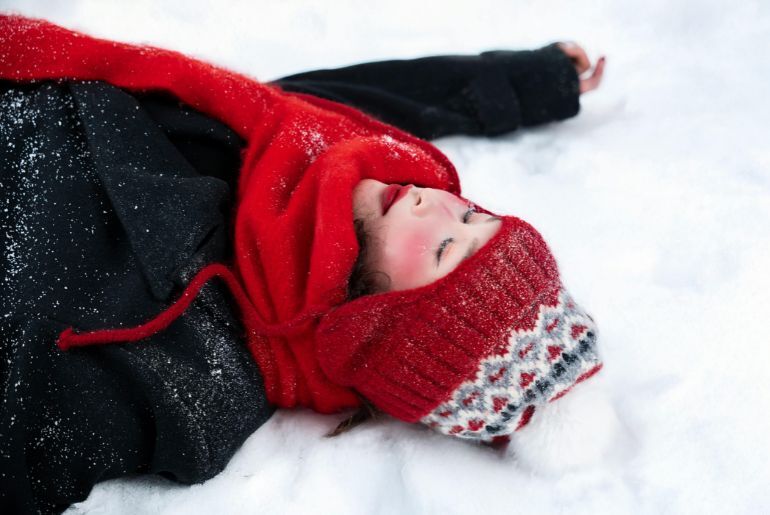
The base layer is important because it sits against the skin to regulate body temperature. It manages to do that by moving sweat away before it cools and causes hypothermia. Your base layer can be made either of Merino Wool or of other synthetic polyester blends. There are distinct benefits to both. While merino wool offers natural anti-odor properties and superior warmth, synthetic polyester blends provide rapid drying times for high-activity treks.
2. Mid-Layer Insulation: Down Jackets vs. Synthetic Fleece
The work of trapping heat warmed by your body and creating a thermal barrier against the external freezing air is done by this middle layer. You should look for down jackets with 600 to 800 fill power for extreme dry cold. Additionally, high-density fleece options also work great for active, humid conditions.
3. Waterproof And Windproof Outer Shell: Hard-Shell Parka
Winds in sub-zero temperatures are unlike regular winds. They can instantly penetrate basic jackets. A rated outer shell blocks howling winds and repels water. As such, a hard-shell parka should also be essential to your winter gear. You can look for Gore-Tex or DWR (Durable Water Repellent) coatings with sealed seams and storm hoods.
Also Read: How To Pack Camping Gear On A Motorcycle
4. Insulated, High-Traction Snow Boots
Standard sneakers can freeze instantly and easily slip on black ice, which makes them incredibly dangerous to wear in sub-zero temperatures. For safety, you should get shoes that have a rubberized waterproof sole, ankle support, deep lug treads for ice grip, and 200 g+ Thinsulate insulation. Such shoes protect your feet from cold while also providing adequate grip over slippery, icy surfaces.
5. Extreme-Cold Accessories: The Extremity Protectors

A few other accessories are also needed to complete your winter gear.
Thermal Merino Socks: These socks cushion the feet and prevent frostnip. It is important that you avoid cotton socks at all costs, as they retain moisture and freeze, leading to frostbite and hypothermia.
Waterproof Ski Gloves And Mittens: Fleece-lined mittens retain heat better than traditional five-finger gloves in extreme cold, so make sure you pick suitable ones.
Balaclava And Thermal Beanie: Beanies and balaclavas protect the ears, neck, and face against frostbite and windburn during high-altitude snowstorms, making them quite an important part of your winter gear.
6. Eye And Skin Protection: UV Snow Goggles And Sunscreen
Now this may be a bit of new information if you’re not familiar with snowy climates. Frighteningly, snow reflects up to 80 percent of UV radiation. This leads to snow blindness and severe skin burns even in overcast sub-zero weather. Therefore, eye and skin protection are quite important in these climates. UV400-rated polarized sunglasses or dual-lens anti-fog snow goggles are perfect for sub-zero temperatures.
Care, Storage, And Maintenance Tips
One of the most vulnerable parts of your winter gear is your down jacket. It has a specialized outer coating on the hard shell that acts as a crucial barrier between your body and the cold temperature. So, you cannot wash it with your regular laundry detergent. Instead, you should use a specialized down-cleaner detergent to preserve the loft of your jacket.
Furthermore, the coating of your down jacket can wear off over time with use. When that happens, instead of buying another jacket, you can re-waterproof the hard-shell jacket using DWR reactivation sprays after long trips.
Also Read: Best Budget Trekking Gear Under INR 12,000
Summing Up
Investing in good-quality winter gear is very important. It has the power to turn a potentially miserable, freezing ordeal into a comfortable, unforgettable snow adventure. Keep in mind that base layers and boots can make or break your winter vacation, and so it is particularly important to invest in those parts of your winter gear. Caring for and storing your winter gear is just as important too. Make sure you follow the maintenance tips mentioned here so that you can get the most use out of your investment.