

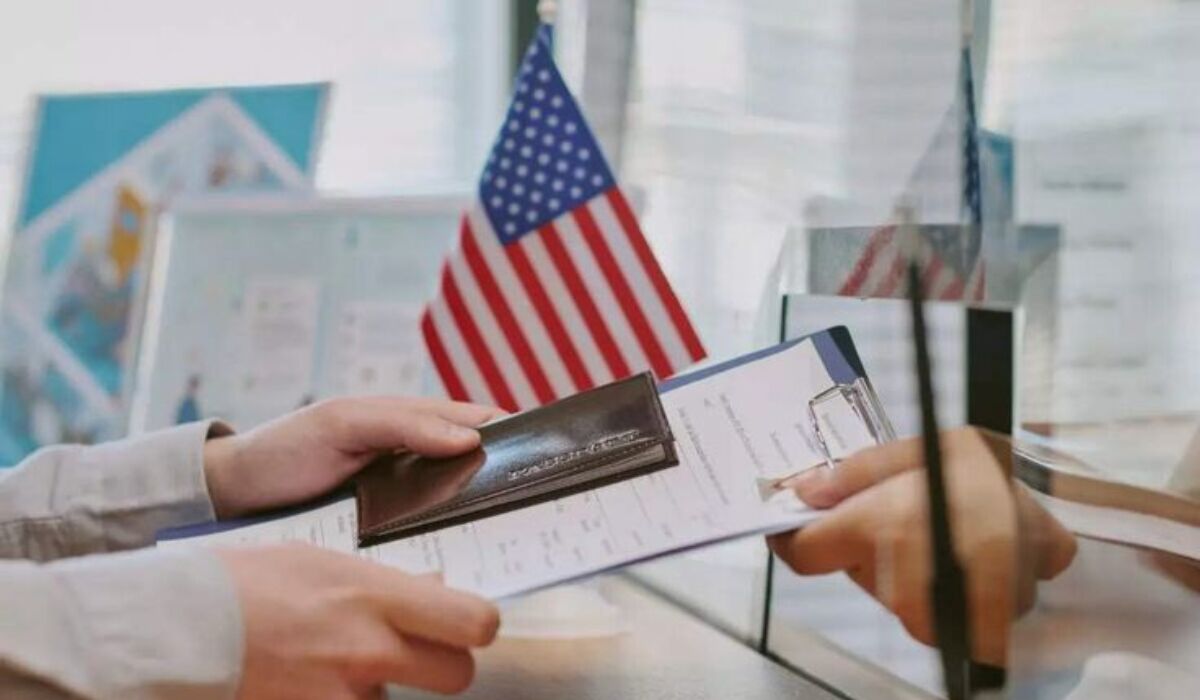
Traveling to the United States while pregnant has not been banned, but traveling primarily to give birth so that a child can obtain US citizenship is already not a permitted purpose for a visitor visa. The latest US birth tourism visa rules further intensify scrutiny by targeting commercial networks that arrange or facilitate such travel. The measure, announced on September 23, 2026, targets people who knowingly participate in or support commercial birth tourism. That includes not only travelers themselves but also businesses and individuals involved in arranging these trips.
What Has Changed Under The US Birth Tourism Policy 2026?
The US birth tourism policy 2026 applies to people who knowingly engage in, have engaged in, or facilitate commercial birth tourism to the United States. The restrictions can cover owners, operators, and managers of commercial birth-tourism networks; visa fixers who coach applicants to provide fraudulent information; foreign medical providers who knowingly assist in the practice; and others who enable these arrangements. Certain family members of people covered by the restrictions may also be affected. The policy is therefore aimed particularly at the commercial system surrounding birth tourism rather than introducing a blanket restriction on pregnant travelers.
What Exactly Is Birth Tourism?

Birth tourism generally means traveling to another country primarily to give birth there so that the child can acquire citizenship through the country’s birthright citizenship rules.
In the US visa context, the primary purpose of the trip is the important factor. Traveling primarily to give birth in the United States so the child can obtain US citizenship is not considered a permissible purpose for a visitor visa.
The practice has also developed a commercial side, with some businesses arranging travel, accommodation, medical care, and other services for expectant parents. The latest restrictions specifically increase scrutiny of people and networks knowingly involved in facilitating these arrangements.
Wondering how future technology could transform long-haul travel? Here’s how you could fly from Japan to the USA in just one hour, potentially breaking a major travel barrier.
What Are the U.S. Visa Rules for Pregnant Travelers?
The US visa rules for pregnant travelers do not impose a blanket ban on visiting the country while pregnant. Pregnancy itself does not determine whether someone can travel to the United States.
The distinction is the purpose of the visit. In January 2020, the US introduced rules allowing consular officers to deny a B visa application when they have reason to believe the applicant’s primary purpose is to give birth in the country so the child can obtain US citizenship. That distinction remains particularly important when understanding US B1 B2 visa birth tourism rules. Travelers must meet the requirements of their visa category and accurately state the purpose of their visit.
Renewing your US tourist or business visa? Here’s what Indian travelers should know about the US B1/B2 visa renewal rules, fees and process for 2026.
Why Does The September 2026 Change Matter?
The latest policy broadens the focus beyond the person making the trip. Commercial operators, facilitators, and medical providers who knowingly assist such arrangements, as well as people involved in visa fraud, can also face visa restrictions. For ordinary travelers, the distinction is important. A trip to the United States while pregnant is not automatically treated as birth tourism. However, applicants still need to meet the requirements of their visa category and accurately explain the purpose of their visit.
Planning to move to the UK through a ballot-based route? Here’s what to know about the number of visas the United Kingdom offers to Indians through its ballot system.
Summing Up
The latest US action does not amount to a general ban on pregnant travelers. Instead, it strengthens the government’s approach to commercial birth tourism by targeting people and networks that knowingly organize, facilitate, or profit from it.
For travelers, the central rule remains straightforward. Traveling to the United States primarily to give birth so that a child obtains US citizenship is not a permissible purpose for a visitor visa. The September 2026 policy adds another layer by extending scrutiny to the commercial networks supporting such arrangements.