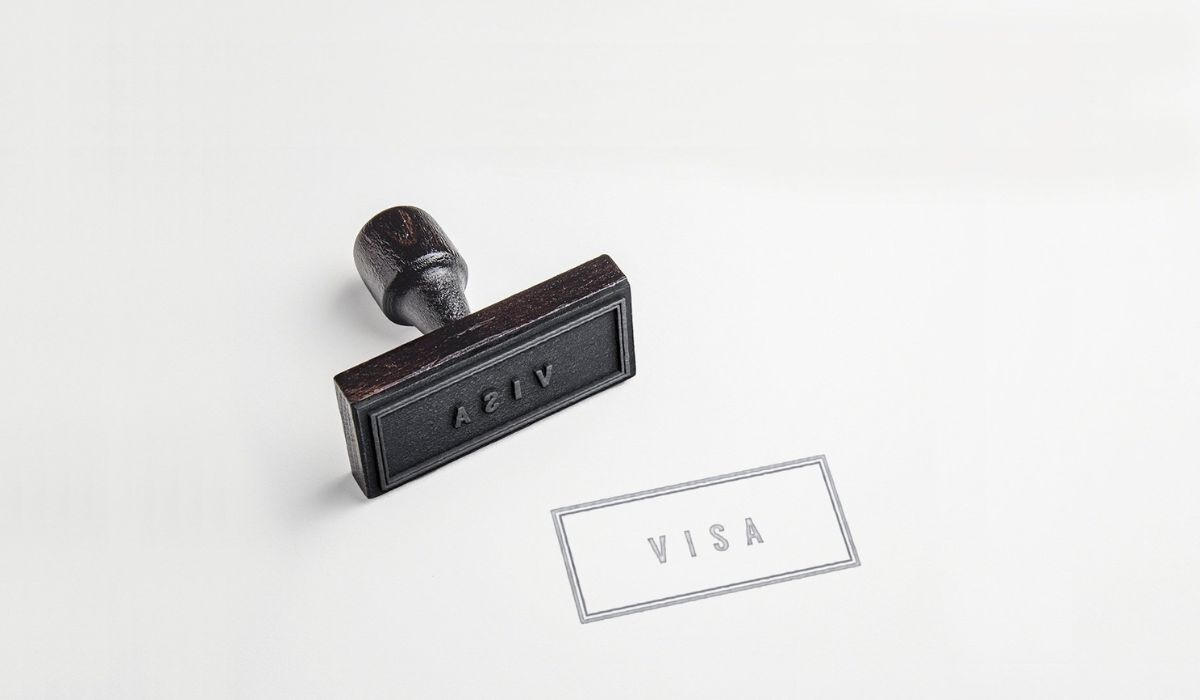
The US is expanding its screening of its visa applicants’ online presence. If reports are to go by, from October 1 onwards, three more visa categories will be added to the purview of the social media screening rule. It has also been reported that this change in the visa application process will matter most to foreign media representatives and professionals under the United States-Mexico-Canada Agreement (USMCA), in addition to other eligible dependents. Changes in the rules, which categories are being added, and more, here are all the important details for your benefit.
Which Visas Are Being Added To US Social Media Screening?
The new visa categories that are being added to the list are I, TN, and TD. The I Visa is used by foreign media representatives, such as those who work in the press, radio, television, and film industry, as well as print industries, and are traveling to the US for work-related purposes.
The TN Visa category is used by eligible professionals from Canada or Mexico looking for temporary entry in the US for qualifying work under the USMCA. The TD visas are for dependents such as spouses and minor children of TN visa holders.
For Indian citizens who work in television or print media and are eyeing a US entry, the more relevant category of the three is the I visa category.
Also Read: United Kingdom Offers THESE Many Visas To Indians Through Ballot System
What Changes For US Visa Applicants From October 1, 2026?
This means that if you are applying for any of these categories on or after October 1, 2026, you will be required to set your social media profiles to ‘public’ or ‘open’. According to a press release published by the US State Department, the information from these sources is used as part of the screening and vetting process.
Also Read: Belarus E-Visa Now Open To Indians; Direct Flights From Mumbai & Goa To Minsk Soon
Summing Up
The new US rule change has received mixed reactions. While there are many who think this is a safety measure, some people have questioned whether the rule blurs the boundary between safety and unwarranted surveillance. America considers freedom of speech one of its foundational values, and critics of the rule have pointed out that this rule change might curtail that value significantly.