
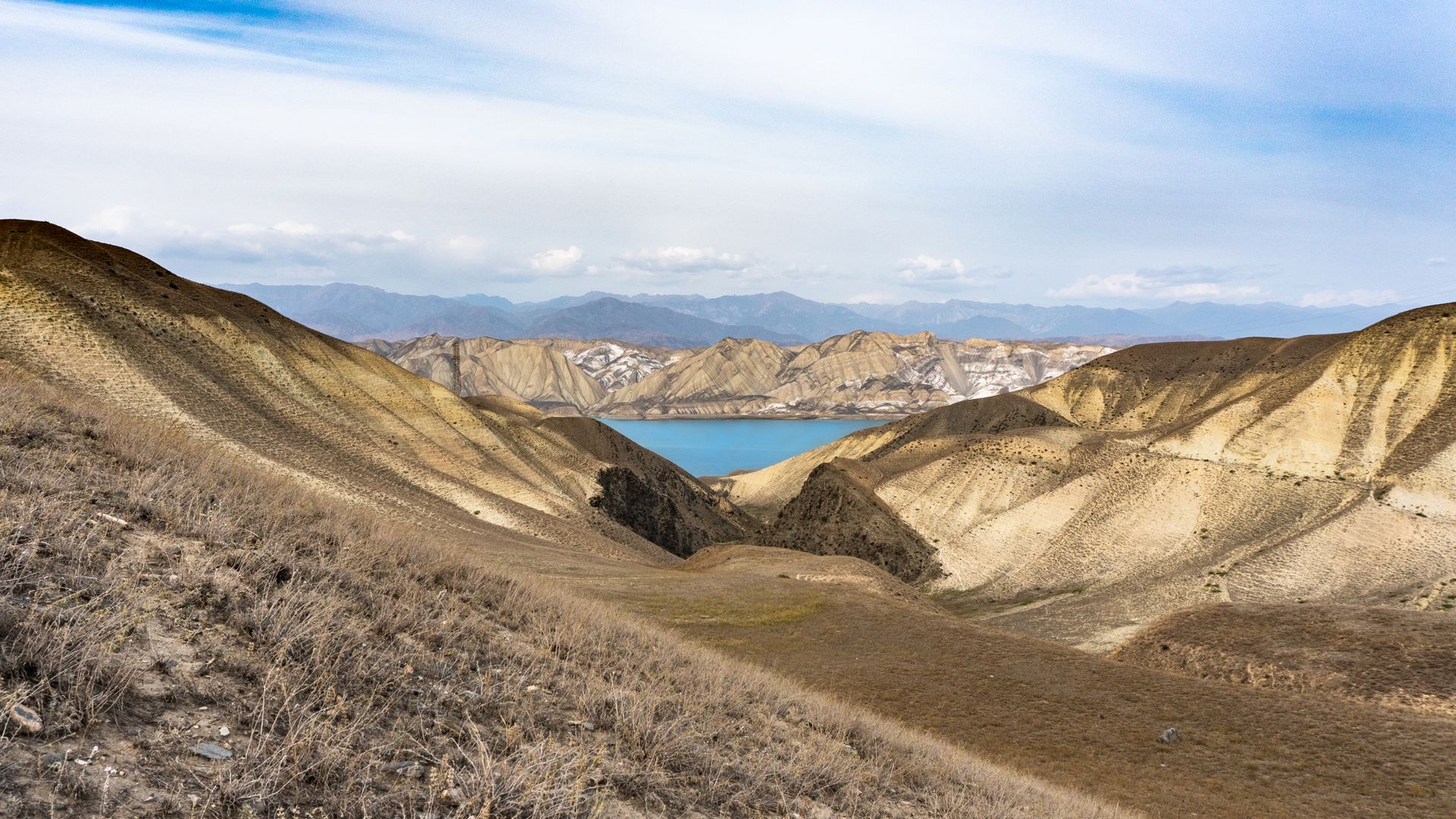
Kyrgyzstan is worth visiting if you want a trip where the journey is part of the appeal. Roads wind through enormous mountain valleys, horses graze beside alpine lakes, and nights can be spent in yurts surrounded by open grasslands rather than conventional hotels. For travelers used to tightly organized tourist circuits, it can feel refreshingly different.
So, is Kyrgyzstan worth visiting? Yes, especially if mountains, outdoor adventures, road trips, and local cultural experiences matter more to you than polished tourist infrastructure. The country’s appeal lies in its Tian Shan landscapes and living nomadic traditions, with horseback journeys, yurt stays, and time with shepherd communities forming a key part of the travel experience.
Should You Visit Kyrgyzstan?
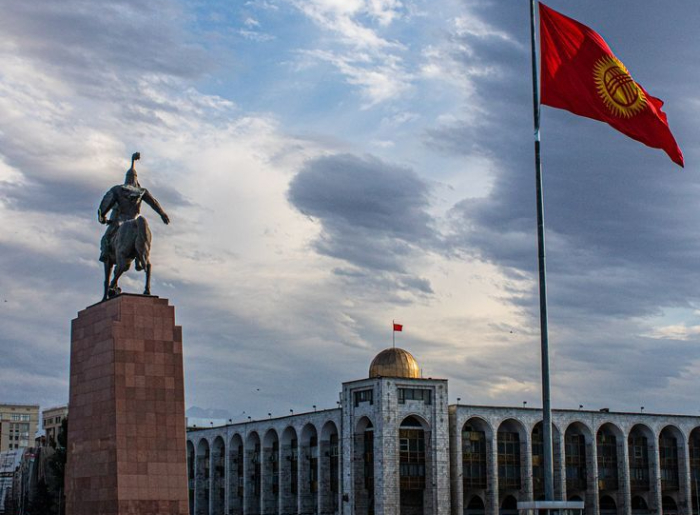
Kyrgyzstan is particularly rewarding because it offers both adventure and culture in the same trip. A few days can take you from Bishkek’s city streets to mountain passes, lakeside yurt camps, village guesthouses, and valleys where horseback riding remains part of everyday life. The long drives are common, facilities become basic outside major towns, and some of the country’s best landscapes require effort to reach. If you are comfortable with that, Kyrgyzstan offers an experience that stays closely connected to the landscape and communities you are traveling through.
What Is Kyrgyzstan Known For?
Mountains define much of the Kyrgyzstan experience, but they are only part of its identity. The country’s appeal also comes from its nomadic heritage, alpine lakes, horse culture, and eagle hunting traditions.
- Tian Shan Mountains: The country’s dramatic mountain scenery provides opportunities for trekking, horseback riding, and high-altitude road trips.
- Nomadic Heritage: Yurts, pastoral traditions, horsemanship, felt crafts, and traditional games remain an important part of Kyrgyz culture.
- Alpine Lakes: Issyk-Kul and Song-Kul are two of the country’s defining landscapes.
- Horse Culture: Horseback journeys are one of the most memorable ways to explore the countryside.
- Eagle Hunting: Traditional eagle-hunting demonstrations introduce travelers to a practice passed through generations.
Best Places To Visit In Kyrgyzstan
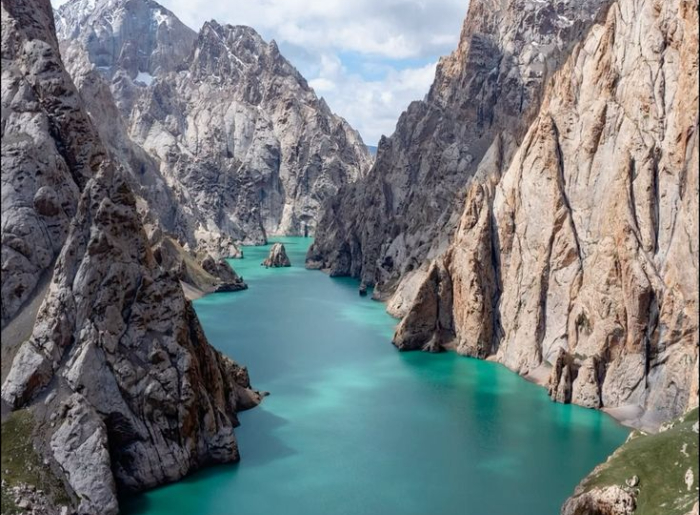
Kyrgyzstan’s best destinations are not simply viewpoints to tick off a list. Each one offers a different way into the country, from high-altitude pastures and Silk Road history to enormous lakes, mountain towns, and valleys where the landscape seems to stretch uninterrupted to the horizon.
1. Bishkek
Bishkek is often treated as little more than an arrival point, but spending some time here helps put the rest of the country into context. Wide boulevards, Soviet-era architecture, leafy parks, monuments, and busy bazaars give the capital a character completely different from the mountain landscapes that dominate most Kyrgyzstan itineraries. Use it to settle into the country, explore its markets, and get a first taste of everyday Kyrgyz life before heading into the mountains.
2. Ala-Archa National Park
Just outside Bishkek, Ala-Archa feels like a remarkably quick escape from the capital. The road climbs into a steep gorge where spruce-covered slopes give way to rocky peaks, glaciers, and fast-flowing mountain rivers. Its biggest advantage is accessibility. You can spend a few hours walking beside the river or take on more challenging trails, making it an excellent first encounter with the Tian Shan without committing to a remote multi-day trek.
3. Issyk-Kul Lake
Calling Issyk-Kul simply a lake does not quite capture its scale. Surrounded by the Tian Shan mountains, the vast expanse of blue water can look almost like an inland sea, with beaches and settlements scattered along its shores. Rather than racing around the entire lake, choose a section and explore slowly. The surrounding region also offers access to landscapes such as Skazka Canyon and Jeti-Oguz Gorge, featuring mountains, unusual rock formations, and lakeside scenery all within the same part of the trip.
4. Karakol
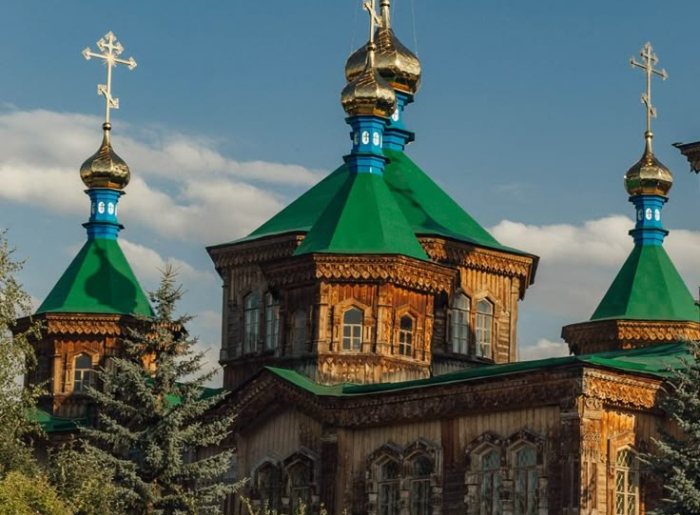
Karakol is where Kyrgyzstan’s cultural and adventurous sides overlap particularly well. The town itself has a distinctive mix of Russian and Dungan influences, visible in landmarks such as its wooden Orthodox church and Dungan Mosque. But its real appeal becomes obvious when you look beyond the streets. Karakol is a jumping-off point for some of eastern Kyrgyzstan’s most spectacular trekking country, with alpine valleys, hot springs, gorges, and high mountain routes all within reach.
5. Song-Kul Lake
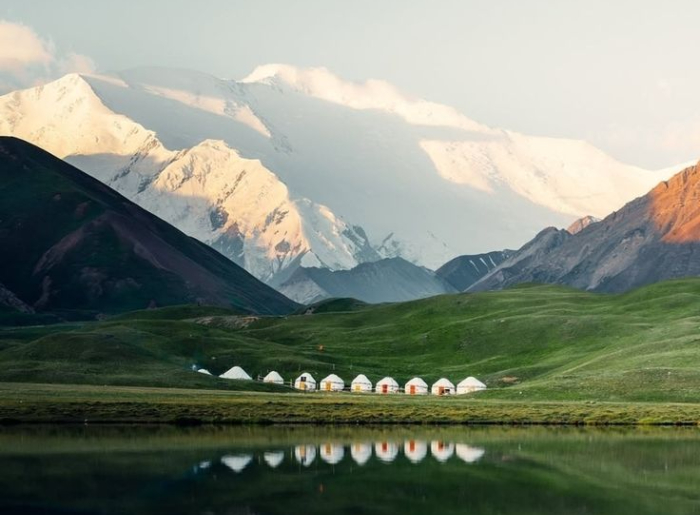
Song-Kul delivers one of the experiences most closely associated with traveling through Kyrgyzstan. Sitting high in the mountains and surrounded by enormous summer pastures, the lake feels wonderfully removed from urban life. Horses graze across the grasslands, shepherd families bring their livestock to seasonal pastures, and yurt camps appear around the lakeshore during warmer months. Stay overnight rather than visiting briefly. Watching daylight disappear across the grasslands before sleeping in a yurt is a large part of what makes Song-Kul memorable.
6. Osh
Osh provides a fascinating counterpoint to the lakes and alpine valleys of northern Kyrgyzstan. One of Central Asia’s oldest cities, it has grown for centuries around trade routes connecting different parts of the region. The city’s bazaars, neighborhoods, and Sulayman-Too Sacred Mountain reveal a side of Kyrgyzstan shaped as much by commerce, religion, and cultural exchange as by nomadic mountain life. It is also a natural starting point for journeys deeper into southern Kyrgyzstan.
7. Tash Rabat
Tash Rabat seems almost deliberately hidden. This remarkably preserved stone caravanserai sits alone in a remote valley, surrounded by bare mountains and open grassland. Historically associated with the trade routes that crossed Central Asia, its thick stone walls, vaulted chambers, and isolated setting make the past unusually easy to imagine. The journey through the surrounding landscape is part of the experience, especially if you combine the visit with a stay at a nearby yurt.
8. Alay Valley
The Alay Valley is for travelers who want Kyrgyzstan at its most expansive and dramatic. Broad grasslands run toward an immense wall of snow-covered mountains, including views toward Lenin Peak, while small settlements sit almost dwarfed by the landscape around them. There is less conventional sightseeing here, and that is precisely the point. Come for trekking, mountain photography, village stays, and the feeling of traveling through a part of Kyrgyzstan where the scenery itself is the main event.
Also Read: Kyrgyzstan Visa Guide For Indians: How To Apply, Cost & Step-By-Step Guide
Best Things To Do In Kyrgyzstan
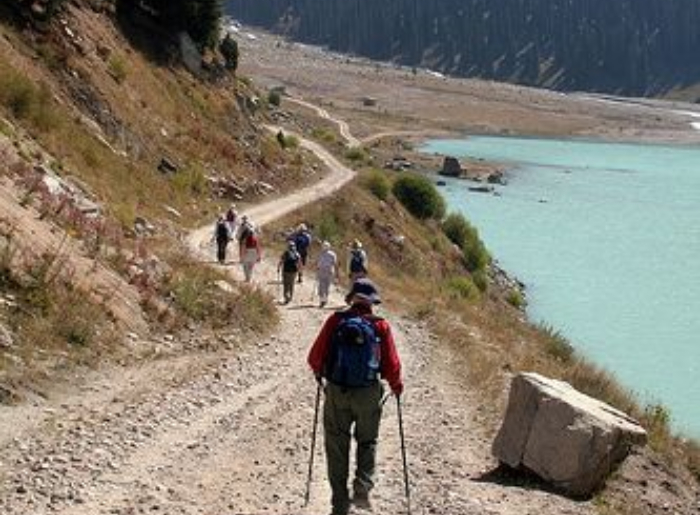
Kyrgyzstan rewards participation. Its most memorable experiences take you into the mountains, across open pastures, and closer to traditions that have shaped life here for generations.
1. Trek Through The Tian Shan Mountains
The Tian Shan offers everything from manageable day hikes to demanding multi-day adventures. Trails cut through alpine meadows, dramatic valleys, forests, and high mountain passes, making trekking one of the best ways to appreciate Kyrgyzstan’s landscapes.
2. Go Horseback Riding
Horse riding is deeply connected to Kyrgyz culture, and Song-Kul is one of the best places to experience it. Ride across enormous high-altitude pastures, pass grazing herds, and explore countryside that would otherwise take hours to cover on foot.
3. Spend A Night In A Yurt
Trade a conventional hotel for a night in a traditional yurt, particularly around Song-Kul or Issyk-Kul. Facilities can be simple, but waking up surrounded by mountains, grasslands, and grazing horses makes the experience worthwhile.
4. Experience Kyrgyz Nomadic Culture
Community-based experiences offer a closer look at traditions that remain part of rural life. Travelers can learn about shepherding, felt-making, horses, traditional food, and the seasonal movement of families and livestock into mountain pastures.
5. Watch An Eagle-Hunting Demonstration
Traditional golden eagle hunting offers an intriguing look at Kyrgyzstan’s nomadic heritage. A demonstration allows you to learn how hunters train their birds, understand the techniques involved, and discover how the practice has been passed between generations.
6. Visit Local Bazaars
Step away from the mountain scenery and explore the lively bazaars of Bishkek or Osh. Stalls packed with bread, dried fruit, spices, produce, handicrafts, and everyday goods offer a colorful glimpse into daily life and local trading culture.
Best Time To Visit Kyrgyzstan
When you should visit depends heavily on what you want to do. The seasons below make that easier to plan around.
- June to September: The best overall period for trekking, horseback riding, yurt stays, and reaching high-altitude areas. Several established mountain itineraries operate primarily during these months.
- July and August: Warm weather and greater access to mountain routes make these the busiest months for adventure.
- May and September: Good choices if you prefer fewer visitors, although conditions at higher elevations can be cooler.
- Winter: Better suited to travelers specifically interested in snow and winter activities. Many high-altitude summer experiences become inaccessible or change in operation.
How To Get Around Kyrgyzstan
Do not underestimate distances simply because Kyrgyzstan looks relatively compact on a map. Mountain passes and road conditions mean journeys can take considerably longer than expected. The options below are the ones travelers commonly use.
For longer itineraries, travelers commonly use:
- Shared or private taxis
- Marshrutkas, or shared minibusses
- Private cars with drivers
- Organized transfers for remote destinations
- 4×4 vehicles for difficult mountain roads
Some itineraries between major natural attractions include individual transfer days of four to seven hours, so avoid trying to fit too many regions into a short vacation.
Worried about finding vegetarian food in Kyrgyzstan? Here’s a handy guide to help Indian vegetarians eat well while exploring the country.
Is Kyrgyzstan Safe For Tourists?
For most visitors, normal travel precautions apply, particularly in cities and crowded markets. The more distinctive safety considerations come from Kyrgyzstan’s geography. High altitude, rapidly changing mountain weather, isolated roads, and limited services in remote areas deserve serious consideration. If you are trekking or heading deep into the mountains, tell someone your route, carry appropriate clothing, and use experienced local guides when the terrain requires it.
What To Know Before Visiting Kyrgyzstan
A little preparation makes traveling around the country considerably easier.
- Visa: Entry requirements depend on nationality and can change. Kyrgyzstan revised visa-free stay rules for citizens of several countries from December 31, 2025, so check the requirements applicable to your passport before booking.
- Cash: Carry cash when traveling outside larger cities because card acceptance can be limited.
- Language: Kyrgyz and Russian are widely used. English becomes less common outside tourism businesses and major destinations.
- Altitude: Places such as Song-Kul sit at significant elevations. Allow time to adjust and avoid overexerting yourself immediately.
- Accommodation: Yurt stays are part of the experience, but facilities can be considerably simpler than a hotel.
- Connectivity: Do not assume you will have reliable mobile data everywhere in remote mountain regions.
- Packing: Bring layers, rain protection, sun protection, sturdy footwear, basic medication, and a power bank.
Planning Kyrgyzstan on a budget? Discover how Indian travellers can keep costs down while still making the most of the trip.
unstumbled Author’s Note
Kyrgyzstan is the kind of destination that makes me want to pack a bag simply because of how different the experience sounds. Sleeping in a yurt beside an alpine lake, riding a horse across open grasslands, and traveling through the Tian Shan mountains feels far more exciting than following a conventional sightseeing itinerary. Song-Kul would be at the top of my list, especially for the chance to slow down, disconnect for a while, and experience a side of Central Asia that still feels wonderfully remote.
Summing Up
Kyrgyzstan is worth visiting precisely because it does not always feel like an easy, packaged vacation. You may spend hours crossing a mountain pass, sleep somewhere with fairly basic facilities, or lose phone reception long before reaching your destination. In return, you get mornings beside alpine lakes, horseback rides across open pastures, nights inside yurts, enormous Tian Shan landscapes, and meaningful encounters with a culture still closely tied to the mountains. If that sounds more exciting than inconvenient, Kyrgyzstan deserves a place high on your travel list.