
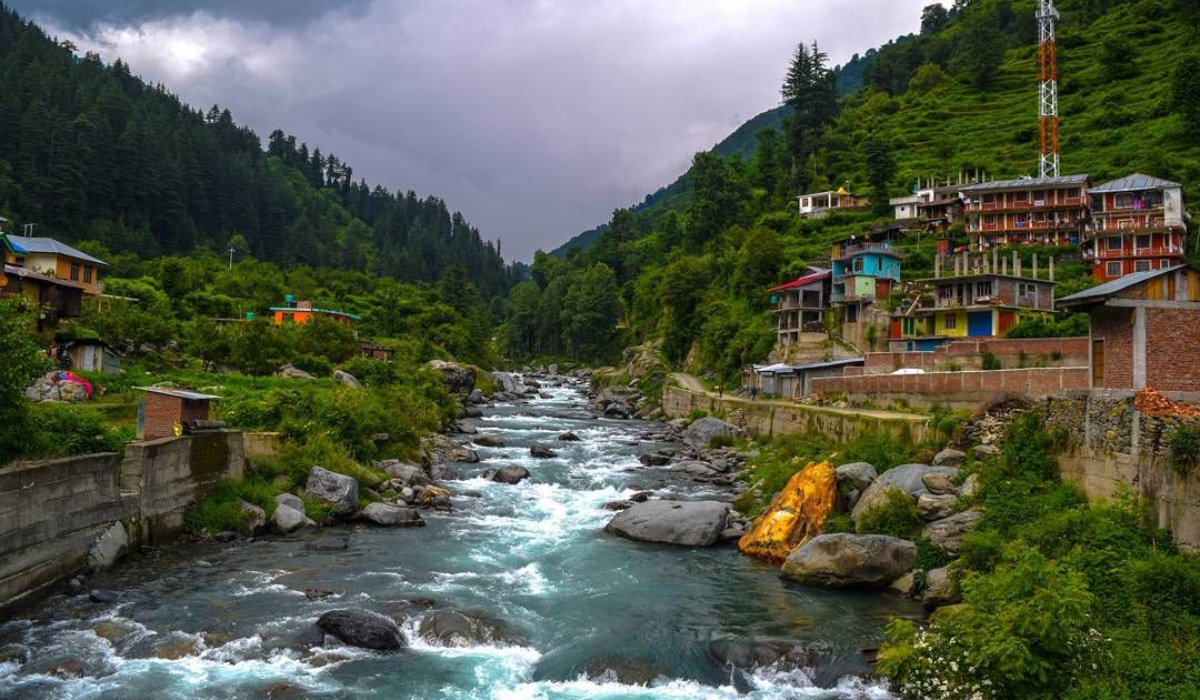
Himachal Pradesh is spectacular during the monsoon season, with the mountains becoming greener, the clouds staying low over the valleys, and the waterfalls flowing with elegance. Yet the same rain that gives the landscape such a transformation can also make travel throughout the state highly unpredictable.
Therefore, is it safe to go to Himachal Pradesh during the monsoon season? The answer isn’t simply yes or no. As long as you select a destination that is well connected and fits into your plan in a flexible manner, the journey can be enjoyed properly. However, when there is heavy rainfall, landslides, flash floods, falling rocks, and sudden road closures occur, some routes become dangerous and unpredictable.
When Is Monsoon in Himachal Pradesh?
In Himachal Pradesh, the main monsoon period usually extends from July to September, the risk does not stay the same throughout the state or during the entire season. You could have a number of hours with good weather, after which heavy rain comes on and causes the road conditions to change quickly.
If you are planning a monsoon trip, remember:
- July: Green landscapes and fewer tourists, but increasingly unpredictable rainfall
- August: Often requires the greatest flexibility because of heavy rain and landslide risk
- September: Conditions can gradually improve, particularly later in the month, although rain is still possible
Want to escape Himachal’s tourist crowds? Discover six offbeat destinations offering quieter mountains, scenic landscapes and refreshing experiences.
Is Himachal Pradesh Safe During Monsoon?
You can go to Himachal Pradesh during the monsoon, but it’s important to be well prepared for the changing weather conditions. The biggest mistake is to regard a monsoon trip as if it were a normal summer holiday. If you have a crowded itinerary covering a number of destinations, you’ll depend more on mountain roads. Rather, select one main destination and stay at it for a longer period of time. When heavy rain warnings are in effect, the IMD alerts people to avoid areas that are susceptible to landslides, mudslides, and flash floods and to keep a safe distance from rivers, streams, rivulets, and nullahs.
Roads and Landslides in Himachal During Monsoon
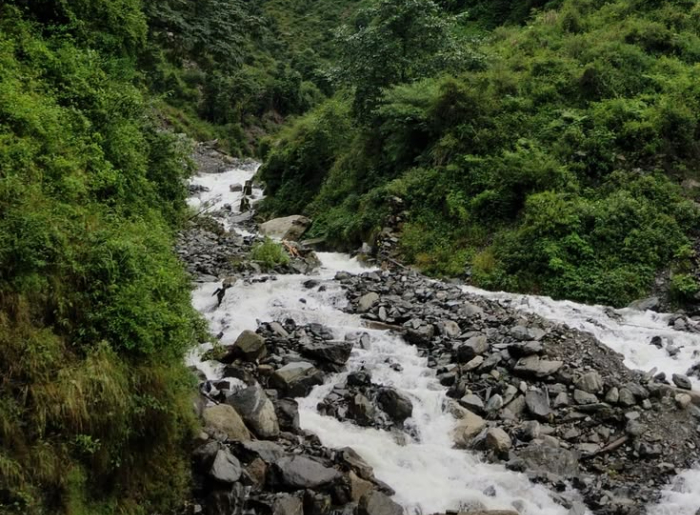
The mountain roads are the main issue during the rainy season since continuous rainfall can cause the soil and rocks above the highways to become loose and result in landslides or stones being shot out; smaller connecting roads can be even more susceptible. Road conditions can likewise change within a few hours; a route which is open in the morning might experience delays later on after heavy rainfall.
Be particularly careful about:
- Driving immediately after prolonged or intense rain
- Going through the areas known to be prone to landslides.
- Taking remote mountain roads without checking local conditions
- Driving at night when fallen rocks and damaged road sections are harder to see
- Parking close to unstable slopes
- Crossing overflowing streams or waterlogged road sections
Travelling solo in Himachal? The new ‘She Travel Policy’ aims to make journeys across the state safer for women travellers.
Better Places To Visit In Himachal During The Monsoon Season?
It would be incorrect to say that any place in the mountains is entirely free from risk when there is heavy rain. Yet hill towns that are well-established are usually more convenient than those in isolated valleys since they typically provide better access to lodging, transport, medical facilities, and alternative arrangements.
Depending on current weather and road conditions, travelers can consider bases such as:
- Shimla
- Mashobra
- Chail
- Kasauli
- Solan
- Dharamshala
- McLeodganj
- Narkanda
- Tirthan Valley and Jibhi (only when approach roads and weather are stable)
Places and Routes To Avoid During Heavy Rain
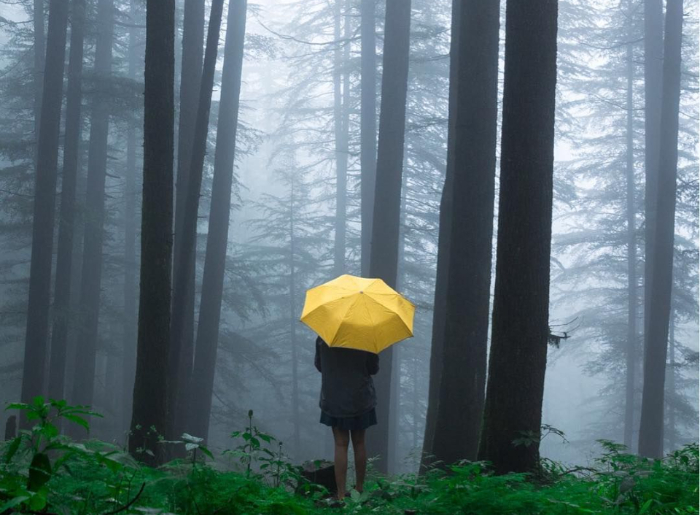
It is better, instead of permanently marking a whole town as unsafe, to stay away from certain areas and paths when heavy rainfall warnings are in effect.
During the rains, reconsider the following activities:
- Remote trekking routes
- High mountain passes
- Riverside campsites
- Waterfalls and narrow gorges
- Roads running beside swollen rivers
- Isolated village roads
- Areas with recent landslides
- Night journeys through mountainous terrain
- The Mandi-Pandoh-Kullu corridor when landslides or closures are reported
- The Shimla-Kinnaur highway during unstable weather
Wondering what makes Himachal so inviting? The state has been named India’s most welcoming region, and here’s what travellers should know.
Important Monsoon Safety Tips
A little flexibility can make a major difference when traveling in Himachal Pradesh during the rainy season.
- Check IMD weather alerts every morning.
- Confirm road conditions locally before starting a long drive.
- Keep one or two buffer days in your itinerary.
- Travel during daylight whenever possible
- Avoid rivers, streams, nullahs, and waterfalls after heavy rain.
- Never cross a flooded road simply because another vehicle has done so
- Carry rain protection, waterproof footwear, medicines, a flashlight, and a power bank.
- Keep some cash, as connectivity and digital payments can be unreliable in remote areas.
- Follow local police and district administration advisories.
- Cancel a day trip if conditions deteriorate.
unstumbled Author’s Note
The monsoon brings out a completely different side of Himachal Pradesh, but it is also a season when being cautious matters more than checking places off an itinerary. Green mountains, misty valleys, and rain-fed waterfalls may look inviting, but conditions in the hills can change quickly. If you are planning a trip during this time, keep your itinerary flexible, check weather and road updates regularly, and never hesitate to change plans when conditions do not look safe.
New to winter trekking? These five beginner-friendly treks in Himachal Pradesh are great places to start, along with tips to plan your adventure.
Summing Up
Himachal Pradesh during monsoon can be beautiful, peaceful, and rewarding, but it is not the season for an inflexible road trip. Choose a well-connected base, avoid remote routes during heavy rainfall, and leave room to change your plans. Do not prioritize a sightseeing checklist over a weather warning. If IMD issues an orange or red alert for the area you plan to visit, reconsider unnecessary travel. The mountains will still be there after the rain clears, and enjoying them safely is the better choice.