
Mathura is one of India’s most important pilgrimage destinations, deeply associated with the life of Lord Krishna and the traditions of Braj. From Krishna Janmabhoomi and the ghats along the Yamuna to nearby Vrindavan, Barsana, and Govardhan, the region attracts pilgrims and travelers throughout the year. However, the experience can vary considerably depending on when you visit.
Winter offers the most comfortable weather for temple visits and sightseeing, summer can be intensely hot, and the monsoon brings humidity along with some of the region’s biggest religious celebrations. For most travelers, the best time to visit Mathura is between October and March, but festival-focused trips during Holi, Janmashtami, Radhashtami, and Govardhan Puja can be equally rewarding.
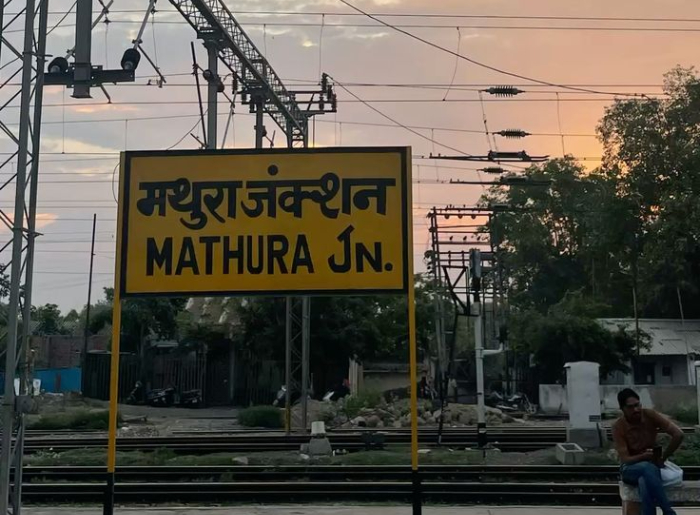
Best Time To Visit Mathura
The best time to visit Mathura is from October to March, when the weather is cool and comfortable for sightseeing. Temperatures during winter can range from around 5°C at night to approximately 28°C during the day, making it much easier for tourists to plan their Mathura itinerary. visit temples, attend evening aartis, walk through the city, and explore the wider Braj region. Travelers interested in festivals may prefer March for Holi or August and September for Janmashtami and Radhashtami. November, December, and February are especially suitable for those looking for a quieter trip with pleasant weather and more relaxed temple visits.
Also Read: Where To Stay In Mathura: Area-Wise Guide For Every Budget
Mathura Weather Month By Month
October To March
October to March is the most comfortable season for visiting Mathura. Daytime weather is generally pleasant, while mornings and evenings can feel cool, especially in January and February. This makes the season ideal for temple-hopping, walking around the ghats, attending aartis, and planning day trips to nearby Vrindavan, Barsana, and Govardhan.
Each month offers something slightly different. October marks the start of the pleasant travel season, while November and December are ideal for sightseeing with comfortable temperatures. January and February are among the coldest months, so warm clothing is useful for early-morning temple visits. March brings warmer days and the vibrant Braj Holi celebrations, making it one of the most atmospheric times to visit if you do not mind large crowds.
April To June
Summer in Mathura is hot and can be uncomfortable for long hours of sightseeing. Temperatures often rise between 35°C and 45°C, particularly in May and June, while nights may remain warm. Afternoon temple visits and outdoor sightseeing can feel exhausting during this period.
The advantage is that the city tends to be quieter than during winter and festival months. April can still be manageable in the mornings and evenings, while May and June are best suited to travelers who are comfortable with intense heat. If visiting during summer, plan darshan early in the morning or after sunset, stay hydrated, and avoid unnecessary outdoor activity during the afternoon.
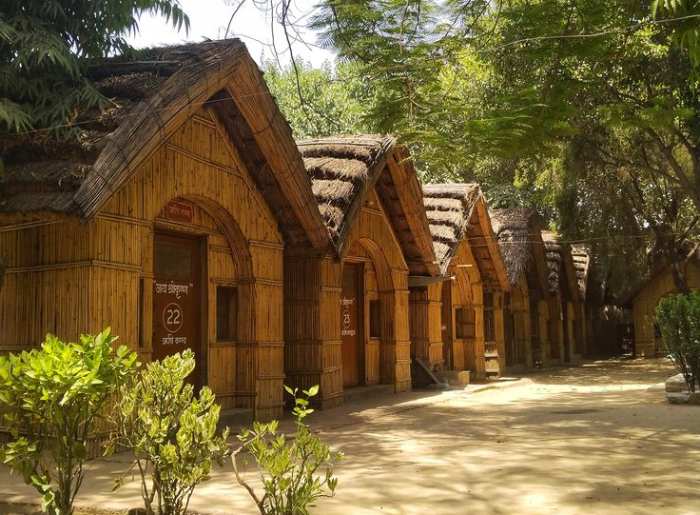
July To September
The monsoon season brings some relief from the summer heat, although humidity remains high. Daytime temperatures can hover around 32°C, while evenings may feel cooler after rainfall. The Yamuna and surrounding landscapes take on a greener appearance, giving the city a different atmosphere from the dry summer months.
This is also one of the most important festival periods in Mathura. Janmashtami usually falls in August or September and is celebrated with great devotion at Krishna Janmabhoomi and across the Braj region. Radhashtami follows around the same period and is especially significant in Barsana. Travelers visiting during these festivals should expect heavy crowds and book accommodation well in advance.
October To November
October and November offer an excellent transition into Mathura’s peak travel season. The monsoon has largely receded, humidity drops, and the weather becomes much more suitable for sightseeing. These months are ideal for travelers who want comfortable conditions without the sharper winter chill of January and February.
The festival calendar also adds to the appeal. Govardhan Puja, celebrated after Diwali, usually falls in October or November and is particularly meaningful for visitors planning the Govardhan Parikrama. November is also one of the best months for a relaxed pilgrimage, with comfortable temperatures and generally manageable crowds outside major festival dates.
Which Is The Best Season To Visit Mathura?
For most travelers visiting Mathura, the winter period from October to March is the best season to visit. The cooler weather makes sightseeing, temple visits, evening aartis, and walking through the city considerably more comfortable. November, December, and February are particularly good choices if you want pleasant weather without the intensity of the major festival crowds. While March is perfect for those who want to experience Holi at its most colorful, while August and September are better suited to pilgrims planning around Janmashtami and Radhashtami. Summer offers fewer crowds but requires careful planning around the heat, while the monsoon brings rain, humidity, and some of Mathura’s most important celebrations.
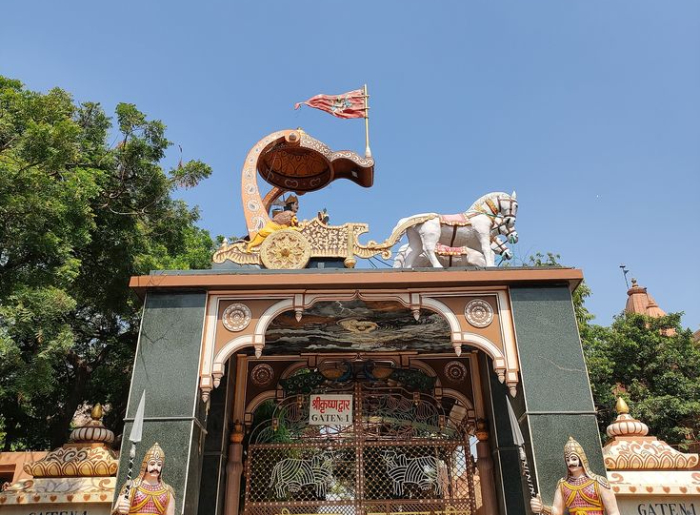
Travel Tips For Visiting Mathura
- Book accommodation in Mathura early if you are traveling during Holi, Janmashtami, Radhashtami, or Govardhan Puja, as hotels can fill quickly.
- Carry warm clothing during December, January, and February, especially for early-morning temple visits and evening aartis.
- Plan sightseeing for early mornings and evenings if visiting between April and June, when afternoon temperatures can become extremely high.
- Keep an umbrella or light rain jacket handy during July, August, and September, and allow some flexibility in your daily plans.
- Check exact festival dates before booking, since Holi, Janmashtami, Radhashtami, and Govardhan Puja follow the Hindu calendar and shift each year.
- Wear comfortable footwear, as temple visits and exploring the wider Braj region can involve considerable walking.
Also Read: Where To Stay In Vrindavan: Area-Wise Guide For Every Budget
Summing Up
Mathura can be visited throughout the year, but the experience changes significantly with the season. Winter offers the most comfortable conditions for sightseeing and temple visits, summer is quieter but much hotter, and the monsoon brings a greener landscape along with major festivals such as Janmashtami and Radhashtami.
For first-time visitors in Mathura, October to March offers the best overall experience. If festivals are the main reason for your trip, March for Holi and August or September for Janmashtami can be unforgettable. Choosing the right month depends on whether you value comfortable weather, quieter sightseeing, or the energy of Mathura’s most important religious celebrations.