
Known as the City of Nawabs, Lucknow beautifully balances centuries-old Awadhi heritage with modern urban development. From magnificent Imambaras and grand gateways to bustling traditional markets, landscaped parks, and scenic riverfronts, the capital of Uttar Pradesh offers something for every traveler. Whether you’re interested in architecture, history, food, or shopping, Lucknow delivers a memorable cultural experience. Below are the top attractions to include in your Lucknow itinerary.
Top 10 Places To Visit In Lucknow
1. Bara Imambara And Bhulbhulaiya
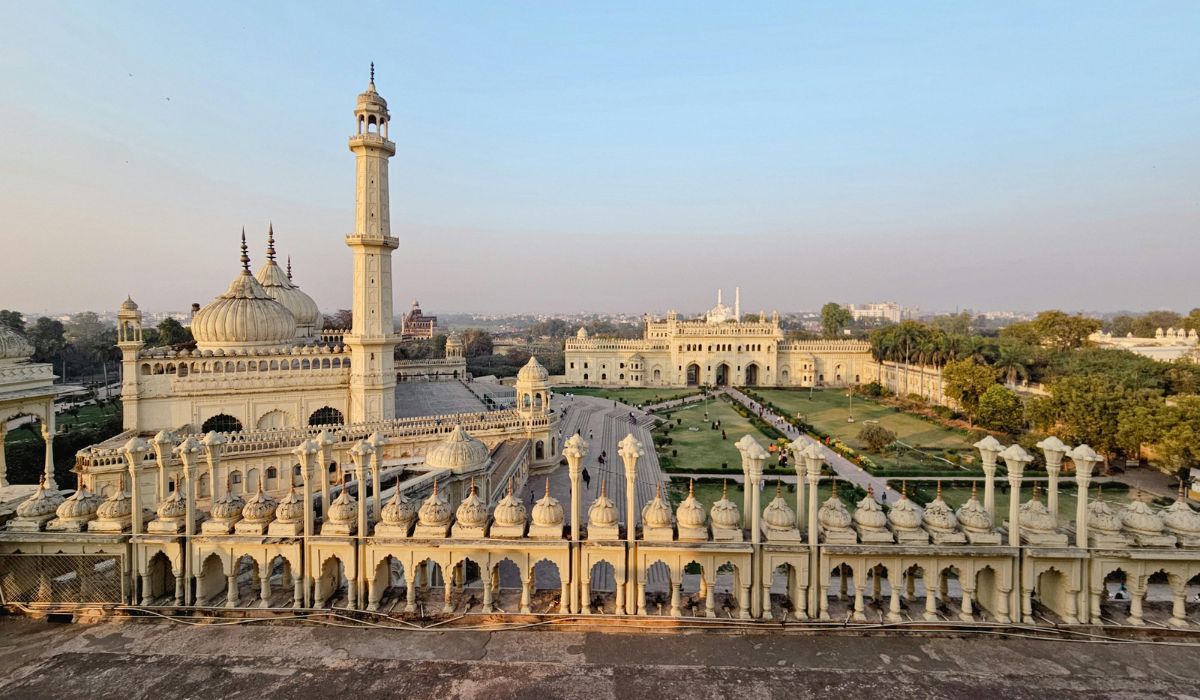
Bara Imambara is the most famous landmark in Lucknow and a masterpiece of late 18th-century Awadhi architecture. Commissioned in 1784 by Nawab Asaf-ud-Daula during a severe famine, the monument was built as part of a large-scale relief project that provided employment to thousands of people. Its greatest architectural achievement is the enormous central hall, which is renowned for being constructed without supporting beams or pillars.
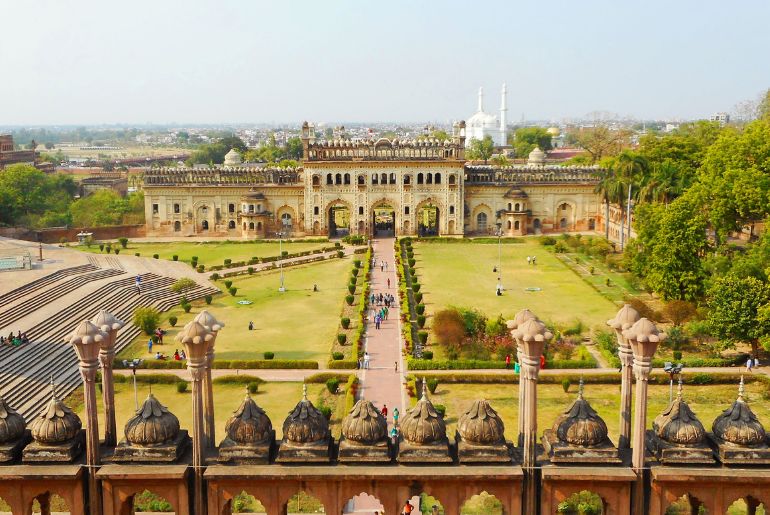
Visitors can also explore the famous Bhulbhulaiya, a complex labyrinth of interconnected corridors and passages that offers panoramic views of the surrounding city from its upper levels. The nearby Shahi Baoli (stepwell) further enriches the experience with its historic water management system.
- When To Go: Early Morning or Late Afternoon
- What To See: The Bhulbhulaiya (The Labyrinth) and Beam-free Central Hall
Also Read: Lucknow Street Food – Here’s What You Must Try
2. Chota Imambara, The Palace Of Lights
Built in 1838 by Nawab Muhammad Ali Shah, Chota Imambara is admired for its elegant Indo-Islamic architecture and lavish interior decoration. The monument is decorated with ornate Belgian glass chandeliers, intricate calligraphy, gilded domes, and beautifully designed interiors. The monument is popularly known as the Palace of Lights because of its spectacular illumination during important religious occasions.
- When To Go: Evening
- What To See: Intricate Chandeliers and “Palace of Lights” Architecture
3. Rumi Darwaza
Standing approximately 60 feet (18 meters) tall, Rumi Darwaza is one of Lucknow’s most recognizable symbols. Also commissioned by Nawab Asaf-ud-Daula in 1784, the gateway reflects Awadhi architecture inspired by Ottoman design traditions and serves as an iconic entrance to the historic Husainabad area. Its strategic location between Bara Imambara and Chota Imambara makes it easy to include all three attractions in a single heritage walk.
- When To Go: Golden Hour or Dusk
- What To See: 60-ft Turkish-style Awadhi Gateway
ALSO RAED | UNESCO Honours Lucknow As Creative City Of Gastronomy, Celebrating Its Timeless Flavours
4. The British Residency
The British Residency is among India’s most significant colonial-era heritage sites. The complex became the focal point of the Siege of Lucknow during the Indian Uprising of 1857, and many of its buildings still bear visible cannon and bullet marks. Today, visitors can walk through preserved ruins, landscaped gardens, memorials, and underground spaces while learning about the events that shaped one of the defining chapters of India’s history. The on-site museum, maintained by the Archaeological Survey of India (ASI), displays photographs, historical documents, and artifacts connected to the siege.
- When To Go: Morning
- What To See: The ruins of the 1857 Siege of Lucknow with Museum grounds
5. Hazratganj Market
Often referred to as the heart of modern Lucknow, Hazratganj combines colonial-era charm with contemporary shopping and dining. The area’s Victorian-style facades and wide avenues have long made “Ganjing,” a leisurely stroll through the neighborhood, a local tradition. The market features branded retail stores, bookstores, cafés, restaurants, and sweet shops. Food lovers often stop by well-known eateries to sample local favorites, including Lucknow’s famous Basket Chaat.
- When To Go: Late Afternoon to Evening
- What To See: Victorian architecture, modern brands and Awadhi eateries
Also Read: How To Reach Lucknow By Flight, Train And Road; Best Route Options
6. Chowk Market
For an authentic taste of Old Lucknow, Chowk Market remains unmatched. Its narrow lanes are lined with traditional artisans producing Chikankari embroidery, Zardozi craftsmanship, handcrafted jewelry, and fragrant attar (traditional perfume). The neighborhood is equally celebrated for Awadhi cuisine. Visitors can enjoy classic dishes such as Galouti Kababs, Nihari with Kulcha, and, during winter months, the seasonal dessert Makhan Malai. Exploring Chowk is as much about experiencing Lucknow’s living culture as it is about shopping.
- When To Go: Afternoon to Night
- What To See: Chikankari embroidery work and legendary Tunday Kababi
Also Read: Delhi-Varanasi Bullet Train: Lucknow In 2 Hours, Varanasi In 4 Hours
7. Ambedkar Memorial Park
Spread across approximately 107 acres, Ambedkar Memorial Park showcases monumental architecture built primarily with red and pink sandstone sourced from Rajasthan. Wide ceremonial pathways, large domes, bronze statues, and rows of sculpted stone elephants create an impressive visual setting. The monument is especially attractive during sunset when the sandstone glows under warm evening light, making it a popular destination for photography and leisurely walks.
- When To Go: Sunset or Evening
- What To See: Pink Rajasthan sandstone architecture and elephant gallery
8. Janeshwar Mishra Park
Nature enthusiasts can unwind at Janeshwar Mishra Park, one of Asia’s largest urban parks, spanning nearly 376 acres. The park offers jogging trails, cycling tracks, landscaped gardens, children’s play areas, and artificial lakes with pedal boating facilities.
- When To Go: Early Morning or Evening
- What To See: One of Asia’s largest eco-parks with boating and cycling
9. Gomti Riverfront Park
Developed along the banks of the Gomti River, Gomti Riverfront Park provides a refreshing escape from the city’s busy streets. Visitors can enjoy landscaped gardens, LED-lit promenades, musical fountains, cycling tracks, and open-air amphitheaters.
- When To Go: Evening
- What To See: Musical fountains, lighted promenades and riverwalks
Chef’s Corner: Lucknowi Rajma Galouti Kebab By Chef Gaurav Singh
10. Husainabad Clock Tower And Satkhanda
The Husainabad Clock Tower, standing approximately 221 feet (67 meters) tall, is recognized as the tallest clock tower in India. Built in Victorian-Gothic style, it remains one of Lucknow’s most photographed colonial landmarks.
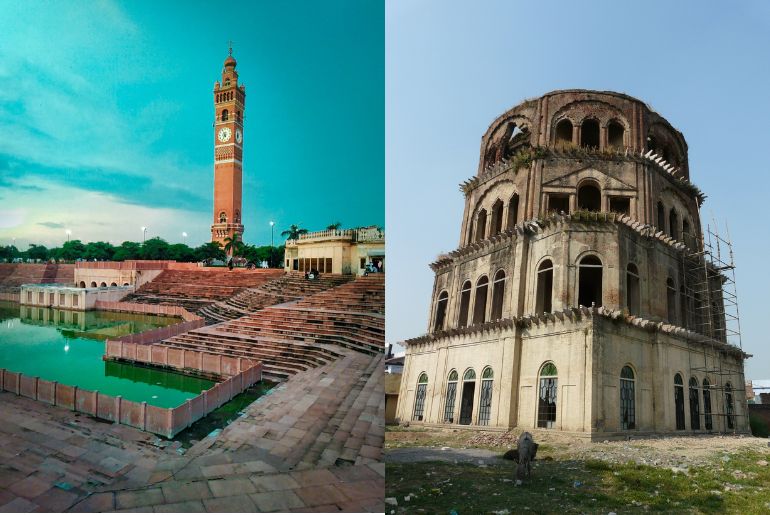
Adjacent to it stands Satkhanda, an unfinished four-storey watchtower originally intended to rise much higher. Although incomplete, its unique appearance continues to attract visitors and forms an important part of the historic Husainabad complex.
- When To Go: Late Afternoon
- What To See: The tallest clock tower in India and unfinished watchtower.
Here is an overview of the best places to visit in Lucknow and their highlights:
| Rank | Attraction Name | Category | Best Time to Visit | Key Highlight |
| 1 | Bara Imambara | Historical Monument | Early Morning or Late Afternoon | Bhulbhulaiya (The Labyrinth) and Beam-free Central Hall |
| 2 | Chota Imambara | Historical Monument | Evening (illuminated) | Intricate Chandeliers and “Palace of Lights” Architecture |
| 3 | Rumi Darwaza | Architectural Gateway | Golden Hour or Dusk | 60-ft Turkish-style Awadhi Gateway |
| 4 | The British Residency | Heritage Site | Morning | Ruins of 1857 Siege of Lucknow with Museum grounds |
| 5 | Hazratganj Market | Shopping and Dining | Late Afternoon to Evening | Victorian architecture, modern brands and Awadhi eateries |
| 6 | Chowk Market | Cultural and Heritage Market | Afternoon to Night | Chikankari embroidery work and legendary Tunday Kababi |
| 7 | Ambedkar Memorial Park | Modern Monument | Sunset or Evening | Pink Rajasthan sandstone architecture and elephant gallery |
| 8 | Janeshwar Mishra Park | Urban Park | Early Morning or Evening | One of Asia’s largest eco-parks with boating and cycling |
| 9 | Gomti Riverfront Park | Scenic Waterfront | Evening | Musical fountains, lighted promenades and riverwalks |
| 10 | Husainabad Clock Tower and Satkhanda | Historic Landmark | Late Afternoon | Tallest clock tower in India and unfinished watchtower |
Tips And Suggestions For Visitors
- A two to three-day itinerary is ideal for exploring Lucknow’s major historical monuments, cultural markets, modern parks, and local cuisine without rushing.
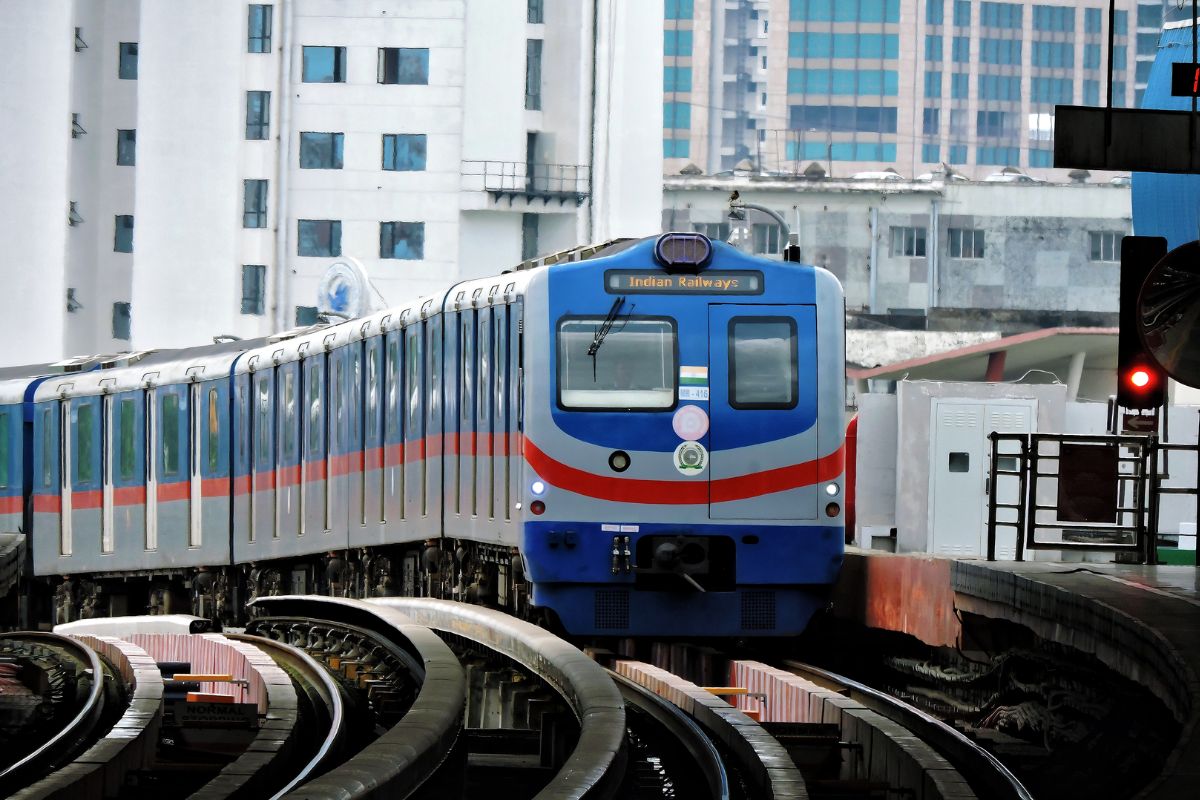
- The Lucknow Metro offers convenient connectivity between Chaudhary Charan Singh International Airport, Charbagh Railway Station, and Hazratganj, making travel within the city easier for visitors.
- Auto-rickshaws, app-based taxis, and e-rickshaws are also widely available for local sightseeing.
- The best time to visit Lucknow is October to March, when pleasant weather makes heritage walks, outdoor parks, and market visits more comfortable.
Also Read: Best Time To Visit Lucknow: Month-By-Month Breakdown
Summing Up
Lucknow offers a distinctive blend of royal heritage, architectural brilliance, vibrant markets, and contemporary public spaces. Whether you’re navigating the fascinating passages of Bhulbhulaiya, admiring the illuminated beauty of Chota Imambara, shopping for handcrafted Chikankari, or enjoying an evening along the Gomti River, every corner of the city reflects its rich cultural legacy. With thoughtful planning and two to three days in hand, travelers can experience the very best that the City of Nawabs has to offer in 2026.
FAQs
Is Lucknow Metro Useful For Tourists?
Yes. The Lucknow Metro provides convenient connectivity between several important parts of the city, including Chaudhary Charan Singh International Airport, Charbagh Railway Station, and Hazratganj, making it a practical option for visitors.
Which Market Is Best For Chikankari Shopping In Lucknow?
Chowk Market is one of the best places to shop for traditional Chikankari embroidery. The market is also known for Zardozi craftsmanship, attar (traditional perfume), and authentic Awadhi cuisine.
What Local Foods Should I Try In Lucknow?
Popular local specialties include Galouti Kababs, Nihari with Kulcha, Basket Chaat, and the seasonal winter dessert Makhan Malai. Lucknow is widely regarded as one of India’s leading destinations for Awadhi cuisine.