
Born in 1950, Steve McCurry is one of the world’s most celebrated photographers, with a career spanning more than four decades. A longtime contributor to Magnum Photos, he has published more than 20 books and exhibited his work at major museums worldwide. His breakthrough came after traveling across India and documenting the Soviet invasion of Afghanistan, producing some of the first images of the conflict to reach a global audience. That early chapter of Steve McCurry’s India journey would eventually become an important part of a career that took him across the world.
Since then, McCurry has photographed across all seven continents, focusing on the human condition through conflict, culture, and everyday life. His work has earned numerous honors, including the Robert Capa Gold Medal, the Royal Photographic Society’s Centenary Medal for Lifetime Achievement, and induction into the International Photography Hall of Fame in 2019.
Steve McCurry Shares Stories Behind His Most Iconic Photographs
For more than four decades, Steve McCurry’s photography has produced some of the world’s most enduring images. From conflict zones and remote mountain villages to bustling city streets, his work has documented humanity in all its complexity. Best known for the iconic “Afghan Girl,” McCurry’s photos extend far beyond a single photograph, telling powerful stories of resilience, culture, and everyday life through a deeply human perspective. His body of work has established him among the world’s most famous photographers, while Steve McCurry’s books have brought many of these photography stories together for audiences around the world.
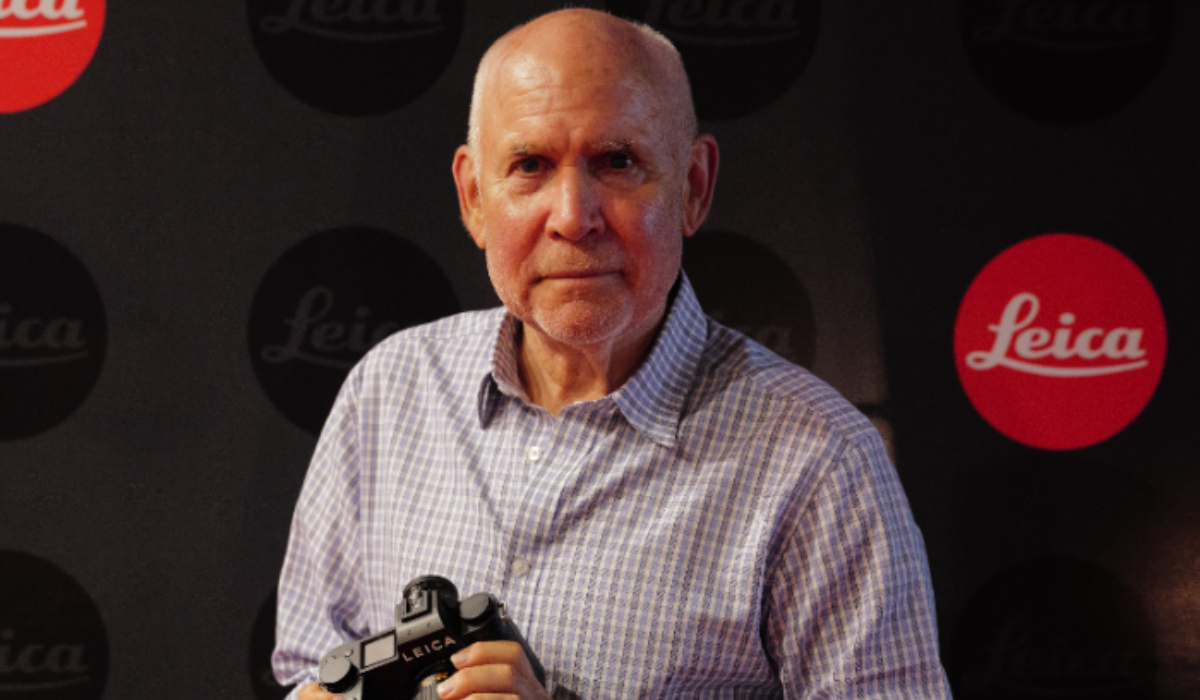
India has long been one of the defining chapters of his journey. Having visited the country more than 80 times, Steve McCurry has witnessed India’s transformation over the decades, traveled extensively by train, photographed its festivals, and returned time and again in search of moments that often pass unnoticed. We at unstumbled had the opportunity to speak with the acclaimed photographer at the experiential Leica store in Mumbai, where you could get your hands on all the Leica products, including cameras, lenses, and Leica gear and equipment.
Here is the entire excerpt from our Steve McCurry interview about India, his evolving approach to photography, the moments he regrets missing, and why patience remains one of a photographer’s greatest strengths.
In Conversation With Steve McCurry, American Photographer
unstumbled: Welcome Back To India. This Must Be Your Fifth Or Sixth Visit. What Has Made You Return So Many Times?
Steve McCurry: It has actually been more than 80 visits. I have always been fascinated by the culture here and by the rich traditions and heritage of South Asia. This is an ancient land with a history stretching back thousands of years, and there is an extraordinary richness to it. The different religions, cultures, and landscapes, from the Himalayas to the deserts, make it an incredible part of the world. It is a place I never seem to stop returning to.
unstumbled: Having Spent So Much Time Here, Is There A Place In India That Has Changed Most Dramatically Over The Years?
Steve McCurry: Mumbai has certainly changed tremendously. The city has transformed an incredible amount since my previous visit. I was last here about six years ago, and before that, it had probably been around 15 years. The scale of the change is difficult to describe.
Kolkata, on the other hand, seemed relatively unchanged. I am going to Delhi in a couple of days, so it will be interesting to see what that is like now. India is definitely moving and progressing. Whether those changes are good or bad depends on how you look at them, but the transformation is undeniable.
unstumbled: Has The Way You Photograph Changed Over The Years?
Steve McCurry: I think it probably has, although it is difficult to assess your own work objectively. You are always trying to improve what you are doing, sharpen your eye, and refine your vision.
We all hope that practice and experience make us better as we grow older. Hopefully, that has been the case for me as well.
unstumbled: Is There Something About India That People Living Here May Have Stopped Noticing, But That Still Fascinates You Whenever You Return?
Steve McCurry: The sheer crush of humanity can be overwhelming. I was on Howrah Bridge a couple of days ago, and there were thousands upon thousands of people moving through it.
Then again, if you look at it differently, the New York subway also carries thousands of people every hour. It is a good question, and I would have to think about it more carefully. I am not entirely sure what I might see that someone living here would no longer notice.
unstumbled: Have You Traveled On Mumbai’s Local Trains, And Was That Around The Time You Photographed The Woman In The Red Sari?
Steve McCurry: Yes. Around 1985, I spent nearly four months traveling on trains across India. I began near the Khyber Pass in Pakistan, traveled across India toward Bangladesh, and also went to places such as Darjeeling and Shimla. Much of that journey was between Punjab and Kolkata.
I slept on trains, stayed in retiring rooms at railway stations, and spent a great deal of time moving through the country that way. The photograph of the woman in the red sari came from that period. Those journeys created opportunities for the kind of pictures I liked to make.
unstumbled: Your Work Appears To Demand Immense Patience And Timing. How Do You Know When To Move On, And Have You Ever Regretted Leaving A Scene Too Early?
Steve McCurry: At some point, you begin to experience diminishing returns. You keep working on a particular picture, trying again and again, but eventually you feel you cannot take it any further. Whatever you are going to get from the situation, you have probably already captured. That is when you know it is time to move on.
Of course, there have been thousands of situations in which I wished I had waited. There are thousands of regrets about pictures I missed. You can return to the same place, but you cannot recreate the exact moment. That is life. Sometimes you win, sometimes you lose, and you have to let it go.
unstumbled: You Have Created So Many Beautiful Images, But Are There Photographs You Are Secretly Unhappy With? Can You Name One?
Steve McCurry: Hundreds of thousands.
There are many photographs I look at with disappointment or dissatisfaction. Sometimes I wish I had waited longer. Sometimes I wish the color had been better or the moment stronger. During the course of a day, I may take hundreds of pictures. If I come away with one or two good photographs, then it has been a good day.
I cannot name one particular image. When I am home, I look through my photographs almost every day, and that is when I notice the mistakes. Things happen so quickly that you inevitably miss pictures. That is simply natural.
unstumbled: Our audience are very big foodies. Since you’re so well travelled, is there one meal or one place that has stayed in your mind that our normal guidebooks wouldn’t tell us?
Steve McCurry: Well, when it comes to food, I’m kind of partial to either Japanese food or Italian food. They’re my two main favorites. I love Japan for many reasons, but one of the things is the food, and it’s just amazing.
unstumbled: Is there one spot in Japan you would recommend?
Steve McCurry: Well, there’s a lot. In Japan, there are so many good restaurants, like in Tokyo or Kyoto. They’re very serious about preparation and quality, and that really comes through in the food.
unstumbled: Is There An Interaction With A Stranger That You Never Photographed But Still Remember? Is There A Particular Story From One Of Those Encounters That Has Stayed With You?
Steve McCurry: Back in the 1980s and 1990s, before cell phones became part of daily life, things felt more deliberate. I might spend two or three days on a train traveling from Delhi to Madras (now Chennai) and naturally begin talking to the people around me.
Those conversations were fascinating. You would meet people you had never imagined speaking with and find yourself having remarkably deep discussions. I cannot think of one particular story now, but those interactions have stayed with me.
unstumbled: Was There A Decision That Changed The Course Of Your Career, And Was It Connected To The Journey When You Hid Exposed Film Inside Your Clothes?
Steve McCurry: I had spent about a year in India when, during the pre-monsoon heat in late May or early June, I decided to travel into the Hindu Kush. I crossed into Pakistan, went into the mountains, and met Afghan refugees. That became a pivotal moment in my life and a major turning point in my career.
The journey later took me illegally into Afghanistan, where I photographed what was happening. When I left, I concealed the exposed film inside my clothes so that it would not be confiscated if the authorities searched me.
unstumbled: You Have Also Been Arrested While Working. What Was One Of Those Experiences Like?
Steve McCurry: I was detained for three days in Assam while working on an assignment with a German journalist who was attempting to contact separatists.
unstumbled: You Often Say That The Best Photographs Tell Stories. Is There An Image People Know Well But May Not Know The Full Story Behind? You Must Have At Least One Picture With A Remarkable Story.
Steve McCurry: I think some of the best photographs are actually stronger when viewers imagine their own stories. Sometimes there is no particular story behind an image. The imagination can often be better than the actual explanation.
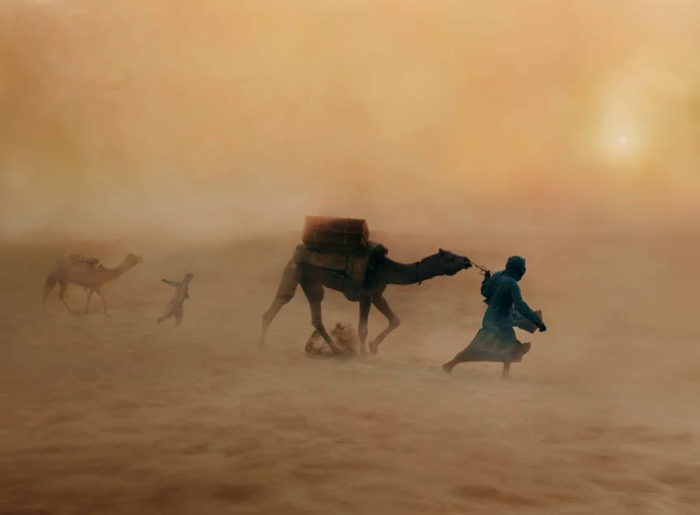
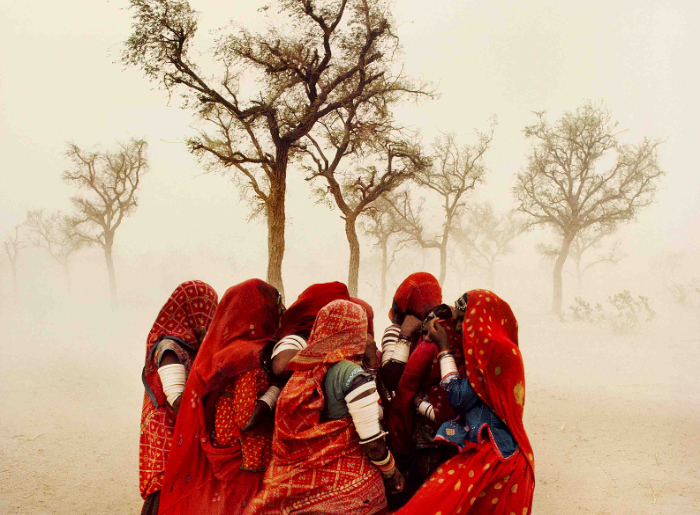
The Dust Storm photograph from Rajasthan is one image that certainly has a story behind it.
unstumbled: How Important Is It To Be In The Right Place At The Right Time?
Steve McCurry: It comes from years of work. It is intuition, planning, and preparation.
If you want to make photographs of the monsoon, you need to be in Mumbai during the monsoon. That is not luck. You put yourself in a position where the picture can happen.
unstumbled: If Your Camera Could Complain About One Thing, What Would It Say?
Steve McCurry: It would probably say, “I am completely overworked. You need to give me a vacation or a rest.”
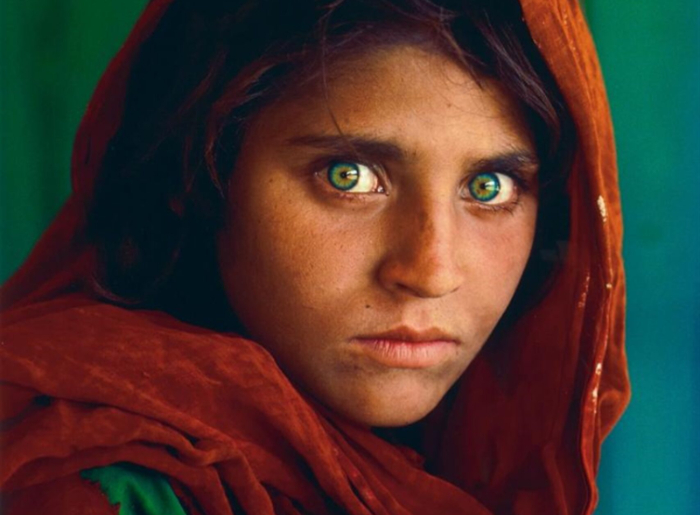
unstumbled: Everyone Knows The Afghan Girl Photograph. Is It Your Favorite Image, And Which Photographs Have Been The Hardest To Make?
Steve McCurry: I do not have one favorite photograph. I have many favorite pictures for different reasons.
The photographs that stay with me are often the ones that require the most effort. Walking through the mountains of Afghanistan for days to take a picture, or traveling across Africa for days in a jeep, those are the kinds of experiences that remain with you.
unstumbled: Has A Language Barrier Ever Led To A Funny Misunderstanding?
Steve McCurry: (Laughs.) Once, I ordered dumplings, and somehow they brought me an entire table full of food. Something clearly got lost in translation.
unstumbled: Do You Always Tell People Before Photographing Them?
Steve McCurry: Most of the time, people agree to be photographed. Sometimes they do not. The important thing is to establish rapport and trust with your subjects.
unstumbled: What Do You Think Artificial Intelligence Can Never Replace In Photography?
Steve McCurry: People want something authentic. They want something genuine.
I do not think there is any room for artificial intelligence in documentary photography because authenticity is fundamental to that kind of work.
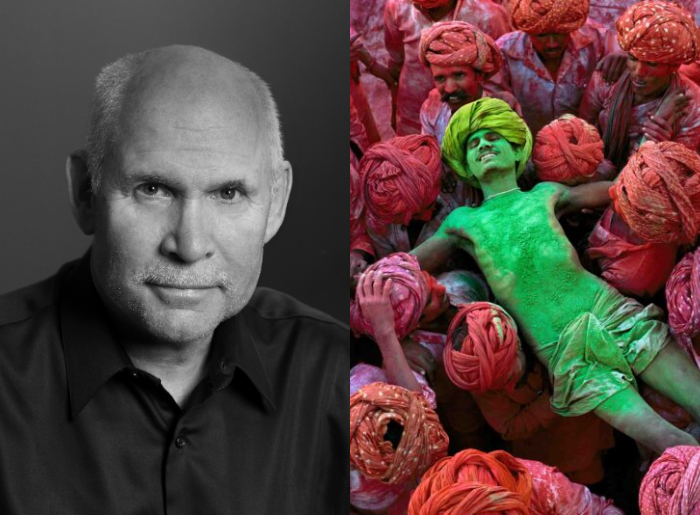
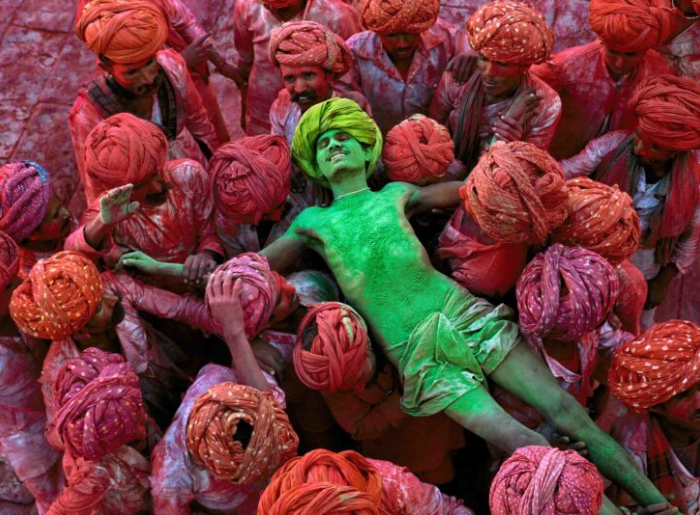
unstumbled: Can You Tell Us About Your Holi Photograph Of The Man Covered In Green? Was The Picture Taken From Above?
Steve McCurry: The photograph was made during Holi in Jodhpur. It was a brief moment, and the colors changed very quickly.
Yes, I photographed it from above. The people were gathered in a courtyard, and I was standing on a wall overlooking them.
unstumbled: What Advice Would You Give Aspiring Photographers? When Did You Realize You Loved Photography, And Is It Still A Good Career To Pursue Today?
Steve McCurry: Be prepared to work very hard. Learn the history of photography, practice constantly, and remain persistent. It is a long game. If you are serious about photography, it eventually becomes a lifestyle.
I was around 22 and studying filmmaking when I realized that still photography felt more immediate and satisfying. I worked at a newspaper for two or three years and then came to India.
Photography can still be a good decision for some people. If you are driven enough, you will pursue it regardless of the difficulties. The real challenge is balancing the need to make a living with the desire to create personal work.
I have been fortunate. I have had more success than I probably deserve.