

Uzbekistan may not immediately seem like an easy destination for Indian vegetarians. Traditional Uzbek cuisine makes extensive use of meat, particularly lamb and beef, while dishes such as plov, lagman, manti, and samsa are commonly prepared with meat or animal fat. Even something that appears to be vegetable-based can contain meat stock or fat, so simply asking for the meat to be removed is not always enough. That does not mean vegetarians will struggle throughout the trip. In major tourist cities such as Tashkent, Samarkand, Bukhara, and Khiva, restaurants offer vegetarian dishes, and Indian restaurants provide another useful option. Knowing which local dishes need extra questions, learning a few simple phrases, and avoiding assumptions about what “vegetarian” means in a traditional kitchen are the keys to finding vegetarian food in Uzbekistan.
What Should Vegetarians Be Careful About In Uzbekistan?
1. Watch Out For Sheep-Tail Fat
One of the easiest ingredients to overlook is dumba, or sheep-tail fat. It is traditionally used in several Uzbek dishes and may be added even when meat itself is not immediately visible. This means pumpkin, potato, or vegetable fillings do not automatically make a dish vegetarian. Always confirm that the food has been prepared without meat, meat stock, or animal fat before ordering.
2. Be Careful With Soups And Lagman
Traditional lagman is generally not vegetarian. The popular noodle dish typically combines hand-pulled noodles with vegetables, meat, and a flavorful sauce or broth. The same caution applies to soups. Even a vegetable-heavy soup may still use meat broth as its base. If a restaurant offers a vegetarian version, ask whether it is prepared separately rather than served without visible pieces of meat.
3. Traditional Plov Contains Meat
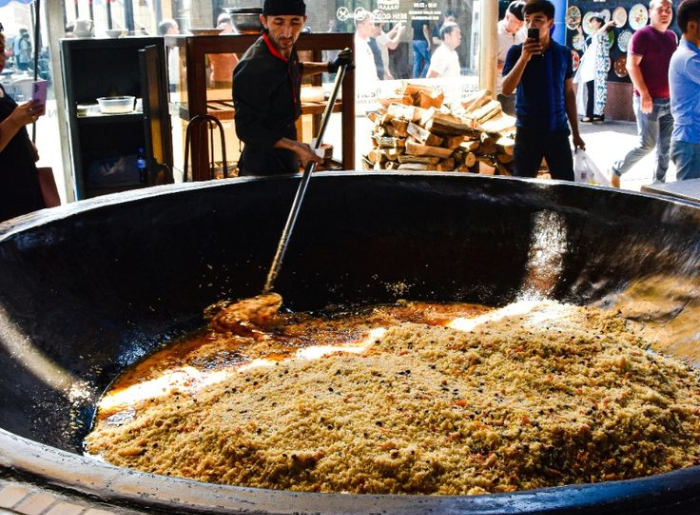
Plov, also known as palov or osh, is one of Uzbekistan’s defining dishes. Traditional versions generally combine rice, meat, carrots, onions, spices, and fat in a large cooking pot called a kazan. Removing the meat after cooking does not make traditional plov vegetarian because the rice and vegetables have already been cooked together with it. Some restaurants offer separately prepared vegetarian plov, so ask specifically for the vegetarian version.
Planning a trip to Uzbekistan? Here’s what Indian travelers should know about Uzbekistan’s 30-day visa-free entry for Indian citizens.
Which Uzbek Phrases Can Vegetarian Travelers Use?
Learning a few simple phrases can make ordering considerably easier, particularly outside restaurants accustomed to international tourists.
- I am vegetarian: Men vegetarianman.
- I do not eat meat: Men go’sht yemayman.
- I do not eat any meat: Men umuman go’sht yemayman.
- Do not add sheep-tail fat: Dumba yog’i solmang.
- Only vegetables, please: Faqat sabzavotlar, iltimos.
For stricter diets, keep a translated sentence on your phone listing exactly what you do not eat, including meat, fish, chicken, eggs, dairy, and animal fat as applicable. Simply saying you are vegetarian may not always communicate every ingredient you want excluded.
Planning an affordable Central Asian getaway? Here’s how to visit Uzbekistan on a budget, with a complete cost guide for Indian travelers.
Which Traditional Uzbek Foods Can Vegetarians Try?
1. Achichuk Or Shakarap
Achichuk, also known as shakarap, is a simple Uzbek salad generally made with fresh tomatoes, onions, and sometimes chili or herbs. It is one of the easiest local side dishes for vegetarians, though the ingredients can vary from restaurant to restaurant.
2. Uzbek Non
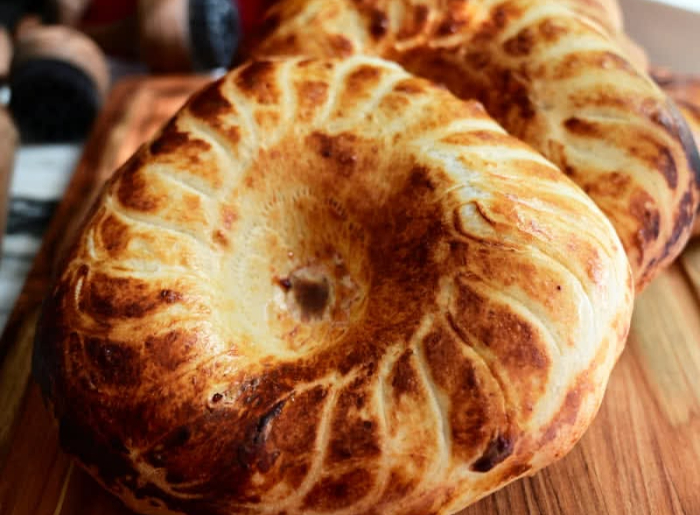
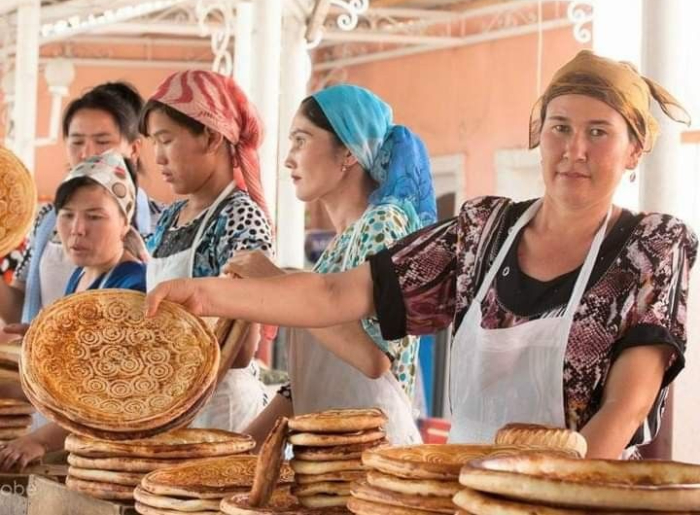
Fresh Uzbek bread, usually called non, is found across the country and forms an important part of everyday meals. The distinctive round bread is traditionally baked in a tandir oven and can be paired with salads, vegetables, cheese, and other meat-free accompaniments.
3. Pumpkin Or Vegetable Samsa
Uzbek samsa comes with several fillings, including pumpkin, spinach, and potatoes alongside the more common meat varieties. However, the vegetable filling alone does not guarantee that the samsa is suitable for a strict vegetarian diet. Ask how both the pastry and filling have been prepared and whether animal fat has been used, since the filling alone does not tell the full story.
4. Pumpkin Manti
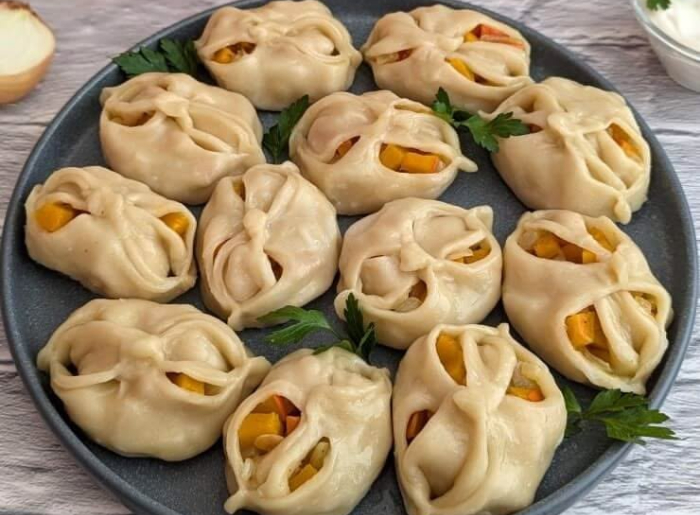
Manti are steamed dumplings that are traditionally filled with meat, and sheep fat may also be added to the filling. Pumpkin versions are also available, offering vegetarians an opportunity to try the local dish. If ordering pumpkin manti, specifically request a preparation without meat or animal fat rather than assuming the vegetable filling makes them vegetarian. That extra step helps ensure the dish matches your diet.
5. Shivit Oshi, Only When Made Meat-Free
Khiva’s famous Shivit Oshi is instantly recognizable because of its bright green noodles, which get their color from fresh dill. However, traditional Shivit Oshi is not inherently vegetarian. It can be served with a meat-containing sauce or topping, so order it only when the restaurant can provide a separately prepared meat-free version.
6. Tukhum Barak For Ovo-Lacto Vegetarians
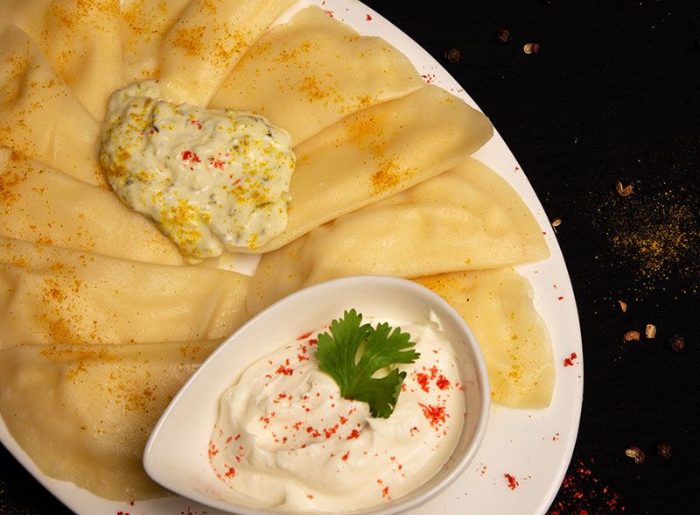
Another Khorezm specialty, Tukhum Barak, consists of dumplings traditionally filled with an egg-based mixture and is often accompanied by dairy. It is unsuitable for vegans and travelers who avoid eggs. However, it can be an option for ovo-lacto vegetarians who consume both eggs and dairy products.
Where Can You Find Vegetarian Food In Uzbekistan?
Restaurant openings and menus can change, so it is worth checking current listings shortly before a stopover. Vegetarian-friendly choices are generally easier to find in Uzbekistan’s main tourist cities than in smaller towns and rural areas. If you plan to book ahead, confirm that the restaurant is still open and can offer suitable options before making a reservation.
1. Tashkent
The Host Indian Restaurant is an option for travelers seeking familiar Indian dishes, including vegetarian curries, paneer dishes, dal, rice, and breads. Sunrise Indian Kitchen is another option for Indian vegetarian food, with dishes such as dosa, uttapam, and rajma among the choices travelers may find.
2. Samarkand
Old City Restaurant offers several vegetarian-friendly dishes, including versions of local specialties. Ask staff about the preparation method before ordering dishes such as vegetarian lagman, pumpkin manti, or meat-free plov. Travelers craving Indian food can also check out Dostana Indian Restaurant, where vegetarian curries and other familiar dishes are available.
3. Bukhara
Bukhara has vegetarian-friendly options, although dedicated vegetarian restaurants are less common than in larger cities such as Tashkent. Restaurants catering to international visitors may offer vegetable dishes or meat-free versions of Uzbek specialties. It is particularly important to confirm how dishes such as plov, lagman, samsa, and manti have been prepared. Indian and other international restaurants can also provide useful alternatives when you want a break from local cuisine.
4. Khiva
Khiva’s popularity with international visitors means vegetarian versions of several Uzbek dishes can be found around the historic center. Khiva Moon is one option with vegetarian choices, including pumpkin manti. Khorezm Art Restaurant is another place where travelers may find dishes such as vegetable plov, pumpkin manti, and other vegetable preparations, though ingredients and cooking methods should still be confirmed before ordering.
Here’s what to know as Goa eyes non-stop air connectivity with Poland and Uzbekistan to boost tourism.
What Can You Buy From Supermarkets And Markets?
Supermarkets and bazaars can provide an easy backup when restaurant choices are limited. Fresh and dried fruits, nuts, bread, yogurt, cheese, vegetables, and packaged snacks can all be useful for putting together simple meals. Uzbek markets are particularly well known for dried apricots, raisins, nuts, fresh produce, and breads. Packaged products can be harder to interpret when labels are only in Uzbek or Russian, so translation tools are useful when checking ingredient lists.
Which Apps Are Useful For Vegetarian Travelers?
Google Translate is particularly useful for translating menus, food labels, and signs. Its camera translation feature can also help when checking packaged products in supermarkets. Google Maps can help with directions and finding nearby restaurants, while HappyCow is useful for locating vegetarian, vegan, and vegetarian-friendly places. Because restaurant listings, opening hours, and menus can change, check recent information before traveling to a particular restaurant. It is also worth saving a translated note explaining your dietary requirements on your phone. This can be more reliable than explaining several restrictions verbally every time you order, especially during a stopover.
Planning a Central Asian holiday? Here’s how Kazakhstan and Uzbekistan compare for travelers in 2026 and what each destination offers.
Author’s Note
The information in this article has been checked primarily against official Uzbekistan Travel resources and UNESCO, particularly for traditional dishes, ingredients, and cooking methods. Restaurant recommendations were cross-checked using HappyCow and other local travel resources, while language and translation information was verified using 50Languages and Google Translate. Since recipes and restaurant offerings can vary, vegetarian travelers should always confirm ingredients and preparation methods before ordering.
Summing Up
If you’re visiting Uzbekistan and looking for vegetarian food, it requires a little more attention than it might in destinations where vegetarian cooking is deeply established, but it is entirely manageable with preparation. The main challenge is not necessarily finding vegetables. It is confirming that meat-free dishes have not been prepared using meat stock, sheep fat, or any other meat-based ingredient. Try local foods where a genuinely vegetarian version is available, keep a few Uzbek phrases handy, and use Indian restaurants when you want something more familiar. In Tashkent, Samarkand, Bukhara, and Khiva, the growing range of vegetarian-friendly choices means you certainly do not have to survive on bread and salads throughout your trip or stopover.