

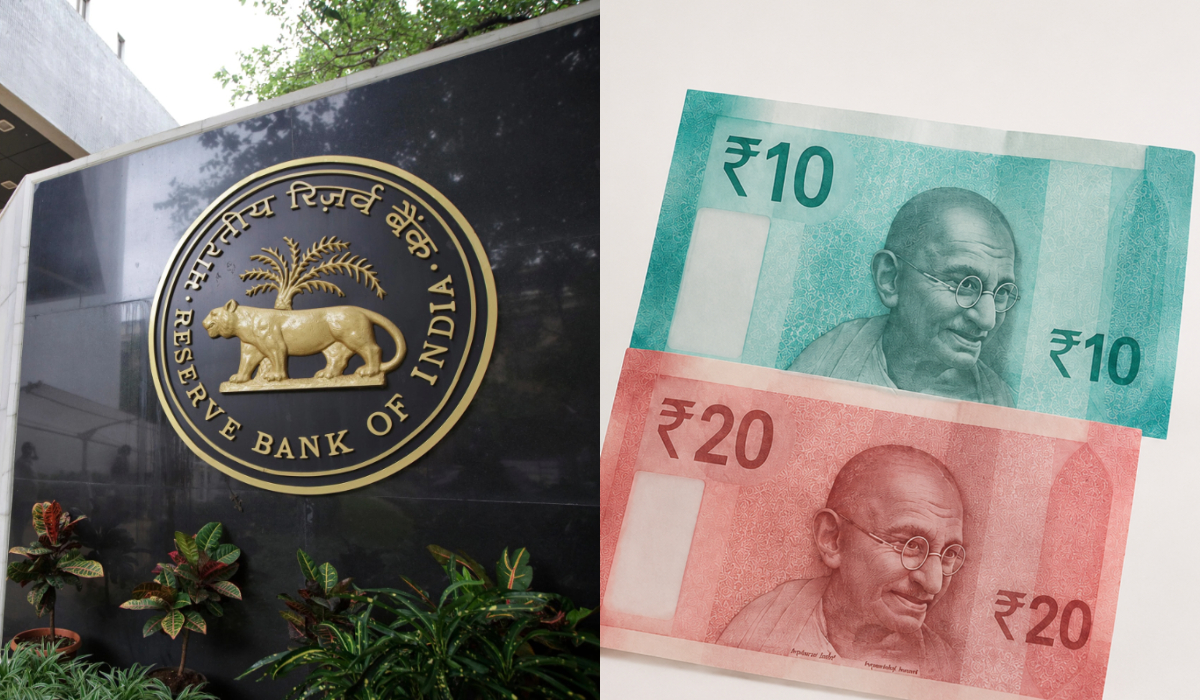
In 2016, following Prime Minister Narendra Modi’s announcement of demonetisation, India introduced new ₹500 and ₹2,000 currency notes on November 10. This initiative marked a significant shift in the Indian currency landscape. By 2017, the Reserve Bank of India (RBI) issued new ₹50 and ₹200 notes, and now, after several years, the government is gearing up to launch plastic currency, aka polymer currency notes – yes, you read that right!
Will The Plastic Currency Be Available To The Public?
The introduction of these polymer notes has been confirmed by Pankaj Chaudhary, the Minister of State for Finance, during a written response in the Lok Sabha. The RBI’s proposal to print two billion polymer banknotes for field trials was approved by the government. These plastic currency trials aim to assess the performance of polymer notes under Indian conditions, with further rollout plans contingent on the success of these initial tests.
With the backing of its Central Board, the RBI has suggested issuing one billion polymer banknotes each for the ₹10 and ₹20 denominations as part of the trials. If the trials deliver successful results, the RBI intends to release these polymer banknotes thereafter regularly.
The Journey Of Polymer Currency In India
Back in 2012, India first attempted to introduce polymer banknotes to extend their longevity, but the project was put on hold due to technological hurdles. The global trend of using polymer banknotes has gained traction, with approximately 60 countries already adopting them. Australia led the way by launching polymer notes in 1988, followed by nations like Singapore and Canada.
Advantages Of Plastic Currency
The primary goal of introducing polymer notes is to enhance their durability rather than solely to address counterfeiting issues. Made from a non-porous and non-fibrous polymer, compared to traditional banknotes made from cotton fibers, polymer notes are more environmentally friendly.
As India prepares to roll out polymer currency, it seems all set for a modern banking evolution. If successful, these notes could represent a significant advancement in the country’s monetary system, combining durability with security while staying eco-friendly.
Summing Up
India’s planned introduction of polymer currency marks another important step in modernising its banking and monetary system. With field trials approved for ₹10 and ₹20 notes, the RBI aims to evaluate whether these durable, secure, and eco-friendly banknotes are suitable for everyday use in Indian conditions. If the trials are successful, polymer notes could become a regular part of circulation.