
Kannur, the cultural heart of North Malabar, is a destination defined by its contrast. Here, pristine drive-in beaches and colonial fortresses give way to ancient, fiery Theyyam rituals and lush peaks of the Western Ghats. However, picking the right time to visit Kannur is crucial. The experience varies wildly depending on whether you are chasing clear beach days, cultural performances, or green monsoon drives. Here is your month-by-month breakdown to help you choose the ideal time to travel.
What Is The Best Time To Visit Kannur? Month-By-Month Travel Guide

January: Clear Skies And Cool Breezes
Perfect for outdoor trekking in Paithalmala and Palakkayam Thattu. High density of Theyyam festivals across the region.
What’s The Weather Like: The coolest month of the year in Kannur (20°C to 30°C).
Traveler Experience: Peak season; booking accommodation two to three months in advance is essential.
February: Gentle Sunshine And Quiet Beaches
Post-holiday crowds clear out, but Theyyam performances continue in full force. Ideal time for seafood dining at beachside homestays.
What’s The Weather Like: Mild mornings giving way to warm afternoons (21°C to 32°C).
Traveler Experience: The best “hidden peak” month for a relaxed, crowd-free winter holiday.
March: Summer Warmth Arrives
Early morning sightseeing is pleasant. Hotel rates begin to drop as peak travel winds down.
What’s The Weather Like: Temperatures start climbing toward 34°C to 35°C with noticeable humidity.
Traveler Experience: Moderate season; best for budget travelers comfortable with warm afternoons.
April: High Summer And Local Festivities
The traditional New Year festival of Vishu brings local celebrations. Late-season Theyyam rituals take place before the monsoon break.
What’s The Weather Like: Hot and humid (24°C to 36°C).
Traveler Experience: Best avoided for coastal tours, but great for hill station escapes to Paithalmala.
May: Pre-Monsoon Heat
Lowest accommodation tariffs of the year. The last few major Theyyam events of the season conclude.
What’s The Weather Like: Peak summer heat, often touching 37°C with heavy humidity. Pre-monsoon thunderstorms hit late in the month.
Traveler Experience: Off-peak; only recommended for strict budget travelers.
June: The Arrival of the Monsoon
The landscape transforms into vivid green. Streams, rivers, and waterfalls flow in full strength.
What’s The Weather Like: Heavy rain showers drop temperatures down to 23°C to 28°C.
Traveler Experience: Great for nature photography and monsoon lovers. Beach activities are closed.
July: Peak Monsoon And Wellness Season
Considered the optimal month for traditional Ayurvedic wellness treatments and rejuvenation therapies.
What’s The Weather Like: Continuous rainfall and dramatic coastal seas.
Traveler Experience: Ideal for indoor wellness retreats and slow luxury homestays.
August: Lush Greenery And Early Onam Prep
Onam festival preparations begin. Waterfalls like Meenmutty are at their scenic best.
What’s The Weather Like: Intermittent rains with breaks of soft sunshine (22°C} to 28°C).
Traveler Experience: A great underrated month for eco-tourism and greenery.
September: The Post-Monsoon Refresh
Madayipara laterite plateau blossoms with rare seasonal wildflowers. Water sports and backwater cruises resume operations.
What’s The Weather Like: Pleasant weather with receding rainfall and warm, sunny days.
Traveler Experience: A fantastic shoulder month offering green landscapes and lower hotel rates.
October: The Seasonal Shift
October marks the official commencement of the Theyyam season across North Malabar. Beaches like Payyambalam open up for peaceful evening walks.
What’s The Weather Like: Pleasant transition month. The Southwest monsoon retreats, leaving mild sunshine and cool evening breezes.
Traveler Experience: Great for quiet sightseeing before peak crowds arrive.
November: The Cultural Awakening
The village of Kavus (sacred groves) and temples host vibrant Theyyam rituals daily. Ideal conditions for driving along Muzhappilangad Drive-In Beach.
What’s The Weather Like: Clear blue skies, comfortable humidity, and temperatures around 23°C to 30°C.
Traveler Experience: Excellent month for culture lovers and photographers.
December: Peak Travel And Festive Energy
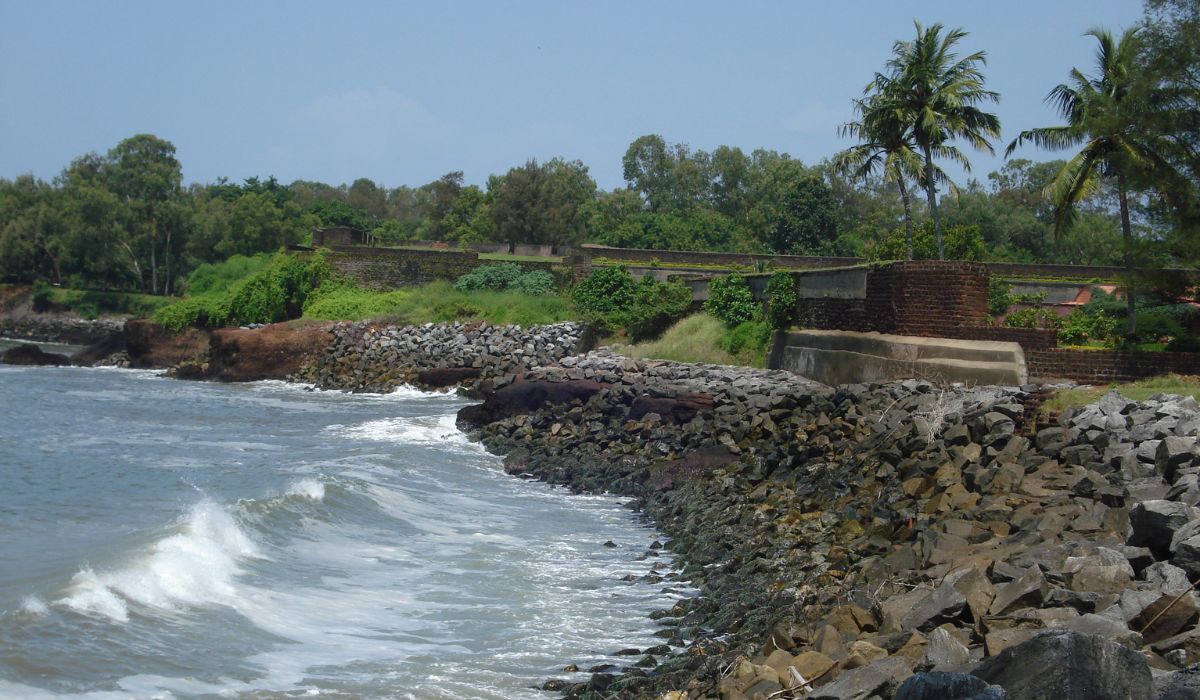
The coast comes alive with year-end tourists. Visit St. Angelo Fort, book backwater cruises at Kavvayi, and experience night-long Theyyam performances.
What’s The Weather Like: Bright, warm days and pleasantly cool nights (20°C to 31°C).
Traveler Experience: The single best month for weather, though hotel prices are at their annual peak.
Here’s a convenient look at the best months and the weather in Kannur during them:
| Season | Months | Average Temp (°C) | Highlights & Best For |
| Peak (Winter) | Oct to Feb | 20°C to 32°C | Sightseeing, beach drives, peak Theyyam season, cool weather. |
| Shoulder (Summer) | Mar to May | 25°C to 37°C | Hill stations (Paithalmala), low hotel rates, early morning sightseeing. |
| Off-Peak (Monsoon) | Jun to Sep | 22°C to 29°C | Ayurvedic treatments, lush waterfalls, misty photography, low crowds. |
How To Pick Which Time Is Best For You
Depending on your travel style, structure your trip around these primary windows:
1. First Priority: November To February (Cultural Immersion And Theyyam)
If your main goal is to witness authentic Theyyam rituals, explore St. Angelo Fort, and drive on Muzhappilangad Beach without extreme heat, book your trip between November and February.
2. Second Priority: July To September (Ayurveda And Green Escapes)
If you want monsoon serenity, budget homestays, waterfall views, and Ayurvedic wellness retreats, visit during the July to September post-monsoon window.
3. Third Priority: March To May (Western Ghats Hill Stations)
If traveling in summer, shift your base away from coastal beaches up toward the cooler elevations of Paithalmala and Palakkayam Thattu.
Also Read: Top 10 Places To Visit In Kannur To Witness Its True Beauty
Summing Up
The best time to visit Kannur is between October and February. During these winter months, calm seas, cool weather, and the peak Theyyam festival calendar combine to offer the absolute best North Malabar travel experience.