
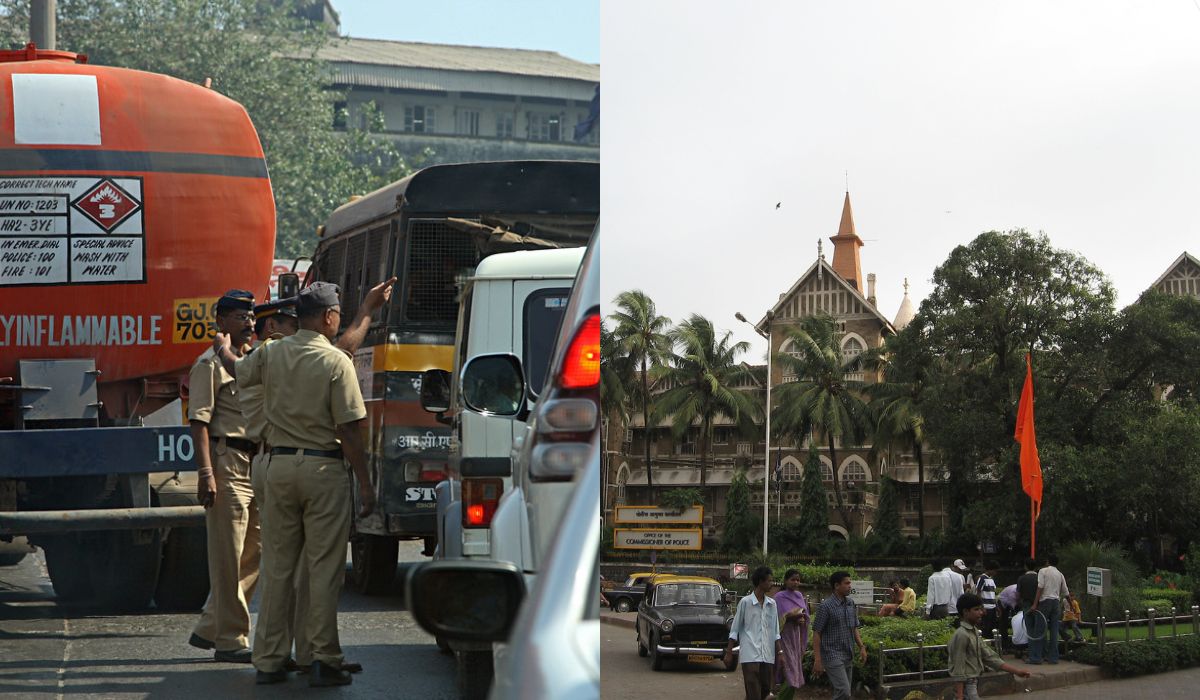
Mumbai woke up to a markedly different civic atmosphere after the Mumbai Police imposed sweeping prohibitory orders across the city from Thursday, July 23, until August 6, 2026. The restrictions, enforced under the Maharashtra Police Act, significantly limit public gatherings, demonstrations, processions, and several forms of public expression in an effort to prevent law-and-order disturbances. This is after a series of protests spread beyond Delhi following the Cockroach Janta Party (CJP) campaign at Jantar Mantar over the alleged NEET paper leak controversy. As protest calls gained momentum across several cities, Mumbai, too, witnessed multiple demonstrations in prominent locations including Shivaji Park and South Mumbai. These protests prompted authorities to tighten security measures. Here is a complete guide about what’s allowed and what’s banned amid the Mumbai CJP Protest.
Mumbai CJP Protest 2026: What Has Happened So Far
According to police officials, the administration has already registered eight FIRs and booked approximately 900 individuals for allegedly participating in unlawful demonstrations across the metropolis. The latest restrictions are intended to prevent further escalation while ensuring normal civic life continues uninterrupted. The prohibitory orders, however, do not amount to a complete shutdown of the city. Schools, offices, weddings, courts, businesses, cinemas, and public transport continue to function as usual, while restrictions are primarily targeted at unauthorized public assemblies and protest-related activities.
What Is Section 37 Of The Maharashtra Police Act?
The restrictions have been imposed under Section 37 of the Maharashtra Police Act, 1951. This is a provision that empowers the Commissioner of Police to temporarily prohibit certain activities whenever there is a reasonable apprehension of danger to public peace, human life, or property. According to the official police notification, intelligence inputs suggested a strong “likelihood of breach of peace and disturbance of public tranquility” across several parts of Mumbai. This is especially in suburban regions and key public gathering points in South Mumbai.
On that basis, police exercised their emergency powers to regulate assemblies and activities that could potentially trigger unrest. The order also aligns enforcement with India’s criminal laws. Individuals violating the prohibitory order may face prosecution under the following:
- Section 223 of the Bharatiya Nyaya Sanhita (BNS) for disobedience of an order lawfully promulgated by a public servant
- Sections 189 and 190 of the BNS, relating to unlawful assembly and associated offences
- Section 135 of the Maharashtra Police Act, which provides penalties for violating prohibitory orders issued under Section 37
These provisions allow authorities to initiate criminal proceedings against individuals participating in unauthorized protests or activities prohibited under the notification.
What’s Banned In Mumbai Amid The CJP Protest?
The police notification prohibits several categories of activities commonly associated with public demonstrations. Citizens should understand these restrictions carefully to avoid inadvertent violations.
- Unlawful Assemblies: Gathering or forming an assembly of five or more persons in public places without prior police permission.
- Sound And Music Restrictions: Using loudspeakers, sound-amplifying instruments, or playing live musical bands during public processions.
- Pyrotechnics: Bursting firecrackers or setting off explosives in any rally, march, or public space.
- Weapons And Explosives: Carrying arms, sharp weapons, lethal materials, or explosives.
- Public Displays And Effigies: Public exhibition of corpses, effigies, or persons in a manner intended to provoke public unrest.
- Demonstration Materials: Preparing, displaying, or disseminating pictures, symbols, placards, or objects deemed to offend decency/morality or undermine state security.
- Public Speeches And Slogans: Delivery of “harangues” (inflammatory loud speeches), public chanting/cries, mimetic representations, or provocative gestures.
What’s Allowed And Exempted From These Restrictions?
Despite the extensive restrictions, everyday civic life remains largely unaffected. The police order specifically exempts several routine and essential activities.
| Category | Exempted Activities & Venues | Conditions/Guidelines |
| Social And Family Events | Wedding ceremonies and matrimonial functions | Pre-planned personal/family events proceed normally. |
| Solemn Occasions | Funeral services and processions | Allowed without hindrance. |
| Educational Institutions | Schools, colleges, and coaching centers | Academic functions and daily classes operate as usual. |
| Corporate And Governance | Statutory meetings of clubs, companies, and co-op societies | Business operations are fully exempt. |
| Entertainment And Courts | Commercial cinema halls, judicial courts, and government offices | Public discharge of duties and entertainment functions continue. |
What Can The Police Legally Do? Police Powers And Legal Consequences Explained
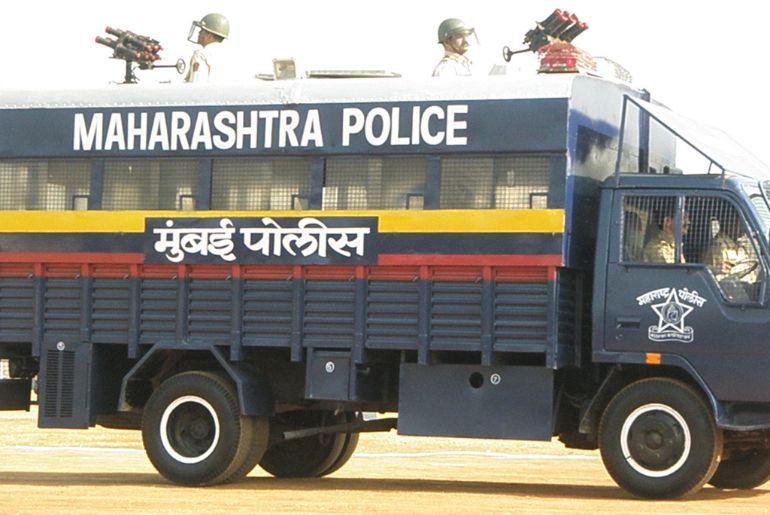
Recent demonstrations have offered a glimpse into how authorities are enforcing the restrictions. At protests held in locations such as Shivaji Park, police personnel detained demonstrators by escorting them into police buses. The protesters were then transported to nearby police stations for verification and legal processing.
Importantly, police generally distinguish between temporary detention and formal arrest in cases involving minor protest-related offences. Rather than immediately arresting every participant, authorities often do the following:
- Temporarily detain protesters.
- Record their personal details.
- Issue notices under Section 35(3) of the Bharatiya Nagarik Suraksha Sanhita (BNSS) requiring future appearance during investigation.
- Release them after completing procedural formalities.
- If a chargesheet is later filed, individuals are generally required to execute personal appearance bonds and comply with court proceedings to obtain bail where applicable.
There is also historical context worth noting. Maharashtra’s 2022 Government Resolution (GR) provided a framework for considering withdrawal of certain minor political and social agitation cases. This is for instances where there was no loss of life and property damage remained below INR 5 lakh. However, such withdrawal is neither automatic nor applicable to every case and depends on government policy and legal scrutiny.
What Does The Constitution Say About Such Protests? Fundamental Rights Vs. Blanket Orders
The restrictions toe the line between fundamental constitutional rights and public order. Article 19(1)(a) and 19(1)(b) of the Constitution protect freedom of speech and the right to assemble peacefully without arms. However, these rights are not absolute. Article 19 also permits the State to impose reasonable restrictions in the interests of sovereignty, public order and security.
The Supreme Court has repeatedly emphasized that while governments possess authority to regulate assemblies for legitimate law-and-order concerns, blanket prohibitory measures cannot become the default mechanism for suppressing democratic expression.
In Mazdoor Kisan Shakti Sangathan v. Union of India, the Court observed that continuous reliance on prohibitory orders such as those under Section 144 of the erstwhile CrPC (Criminal Procedure Code), or comparable preventive provisions, should not effectively extinguish citizens’ constitutional right to peaceful protest. Restrictions must remain proportionate, necessary and subject to judicial scrutiny.
Practical Advice For Mumbaikars
For Those Protesting
Several advocates practising before the Bombay High Court have publicly circulated contact details offering legal assistance to individuals detained during the Mumbai protests. Advisories shared online also state that lawyers are available to provide guidance regarding detention, police procedures, bail applications and other legal remedies arising from protest-related cases. Before paying anyone for legal services, however, it is imperative that individuals independently verify contact details before relying on them.
What To Do If Injured During Protests?
Guidelines circulating online suggest that it is prudent for injured participants to ensure that hospitals prepare a Medico-Legal Case (MLC) whenever injuries may have legal significance. The guidance recommends the following:
- Seeking immediate treatment at a government or recognised hospital.
- Informing the attending doctor that the injuries occurred during a protest.
- Requesting registration of an MLC.
- Ensuring every visible injury is medically documented.
- Obtaining copies of medical records, discharge summaries, prescriptions and diagnostic reports.
Such documentation may become important evidence in any subsequent legal proceedings or compensation claims.
For Those Avoiding Protests
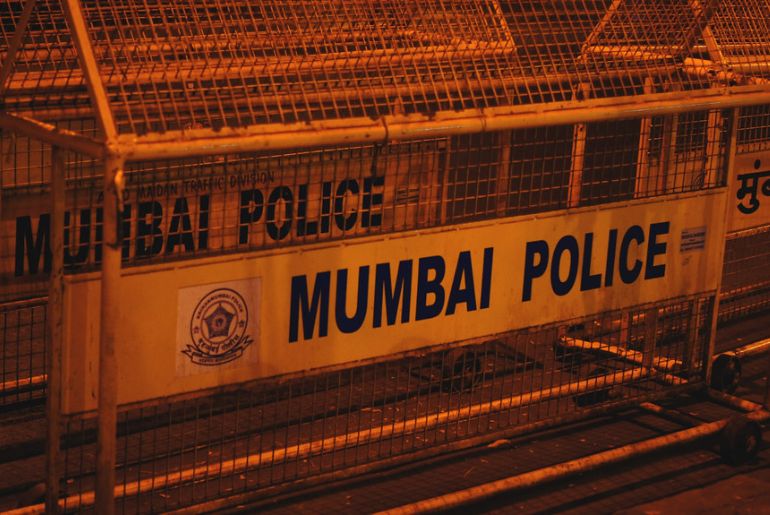
Until August 6, residents should remain aware of the restrictions and exercise caution, particularly near traditional protest locations such as Azad Maidan, Shivaji Park, and government offices. Make sure you take the following practical precautions:
- Carry valid government identification when traveling.
- Avoid gathering in groups of more than four near sensitive locations unless specifically permitted.
- Monitor local traffic advisories, as diversions may be implemented around protest-prone areas
- If approached by police, cooperate with lawful directions and seek legal assistance promptly if detained.
Also Read: Things To Do in Mumbai This Weekend (24th to 26th July)
Summing Up
Mumbai continues to function normally for businesses, education, transport and family events. However, authorities have made it clear that unauthorized rallies, demonstrations and public assemblies during the prohibitory period will invite swift legal action under the Maharashtra Police Act, the Bharatiya Nyaya Sanhita (BNS), and the Bharatiya Nagarik Suraksha Sanhita (BNSS). Citizens intending to participate in any public demonstration should therefore ensure that the event has the necessary permissions and remain informed about the applicable legal restrictions.