
For many international visitors, one of the biggest culture shocks in the United States is not the size of the food portions or the abundance of free refills; it is the expectation of tipping. For the rest of the world, a tip is generally viewed as a voluntary reward for exceptional service. In the United States, however, tipping is woven into the economic structure of the service industry. For millions of workers, gratuities make up a significant portion of their income. This difference often creates confusion for tourists and frustration for Americans themselves. To understand how this system developed, this unstumbled piece looks at its historical origins, economic structure, and the ethical debates that continue to surround it.
Dark History And Racist Origins Of US Tipping Culture
Contrary to popular belief, tipping did not originate in the United States. The custom was already established in parts of Europe during the 18th and 19th centuries, where wealthy patrons occasionally rewarded servants or hospitality workers for exceptional service. However, the payment was discretionary and symbolized appreciation rather than obligation.
During the late nineteenth century, affluent Americans traveling through Europe encountered this practice and brought it home as a symbol of sophistication and upper-class refinement. Initially, many Americans opposed tipping, arguing that it reinforced rigid class distinctions inconsistent with democratic ideals. Several states even attempted to outlaw tipping during the early twentieth century, although these efforts were ultimately unsuccessful.
The expansion of tipping in America was closely tied to a darker chapter in the nation’s history. After the Civil War and the abolition of slavery, many employers in industries such as railroads, restaurants, and hotels hired newly freed Black workers but refused to pay them meaningful wages. Instead, these businesses expected customers to provide gratuities that would effectively replace wages. Railroad porters, hotel attendants, and restaurant staff often worked long hours while receiving little or no direct compensation from employers.
This system allowed businesses to minimize labor costs while shifting responsibility for worker pay onto customers. Historians widely regard this practice as one of the reasons tipping became deeply entrenched in American hospitality industries.
Minimum Wage And Legality Backing US Tipping Culture
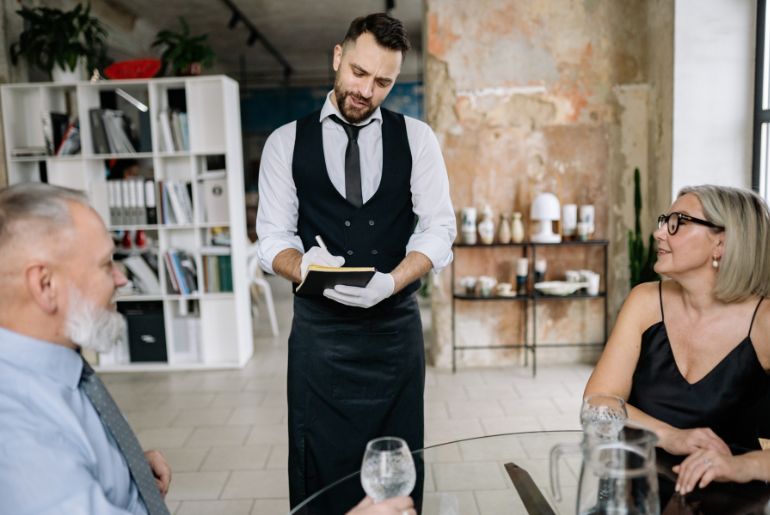
The most significant reason tipping remains so important in the United States is the country’s wage structure for tipped employees. Under the Fair Labor Standards Act (FLSA), federal law permits employers in states that allow a tip credit to pay eligible tipped employees a direct cash wage as low as $2.13 per hour.
This amount has remained unchanged at the federal level since 1991. The federal minimum wage is $7.25 per hour. Employers may claim a “tip credit,” allowing customer tips to count toward meeting that minimum wage. If a worker’s wages plus tips do not equal at least $7.25 per hour during the applicable pay period, the employer is legally required to make up the difference.
In theory, this guarantees that workers earn at least the federal minimum wage. In practice, however, enforcement has often been inconsistent. Wage theft, inaccurate tip reporting, and misunderstandings about labor laws have reportedly led to cases where workers were not properly compensated. It is also important to recognize that federal law establishes only a baseline. Many states have significantly higher minimum wages than the federal standard, and several states prohibit the use of the federal tipped subminimum wage altogether.
Consequently, the amount a tipped employee receives from an employer varies considerably depending on state law. For restaurant servers working in states that still use the federal tip-credit model, gratuities frequently make up the majority of their earnings. A poor shift, slow season, or bad weather can substantially reduce take-home pay despite working the same number of hours.
How Power Dynamics, Bias, And Guilt Affect Ethics

The American tipping system has become the focus of extensive economic and sociological research because it raises questions about fairness, worker security, and customer responsibility.
Income Insecurity
Unlike salaried employees, tipped workers often experience significant fluctuations in earnings from week to week. Income depends on numerous factors outside their control, like customer traffic, time of day, weekday versus weekend shifts, local events, tourism seasons, and even weather conditions. This variability makes budgeting and financial planning considerably more difficult than under a stable wage system.
Sociological Bias
Research has repeatedly shown that tipping is not determined solely by service quality. Studies have identified correlations between tip amounts and characteristics such as race, gender presentation, age, physical attractiveness, accent, and perceived friendliness.
These findings suggest that customer biases, both conscious and unconscious, can influence workers’ earnings independently of actual job performance.
As a result, two employees providing equally competent service may receive substantially different compensation.
The Guilt Factor
Perhaps the most controversial aspect of American tipping is the transfer of responsibility from employers to consumers. In many countries, menu prices include labor costs, allowing employers to pay wages directly while customers decide whether to leave a small additional gratuity.
In contrast, consumers in America often feel that declining to tip harms workers rather than businesses.
This creates a moral dilemma: customers may disagree with the system yet still tip because they know individual workers rely on gratuities for their livelihoods. Critics argue that this arrangement places the burden of paying living wages on consumers’ consciences instead of requiring businesses to incorporate labor costs into their pricing.
Reviewing The Current US Tipping Culture
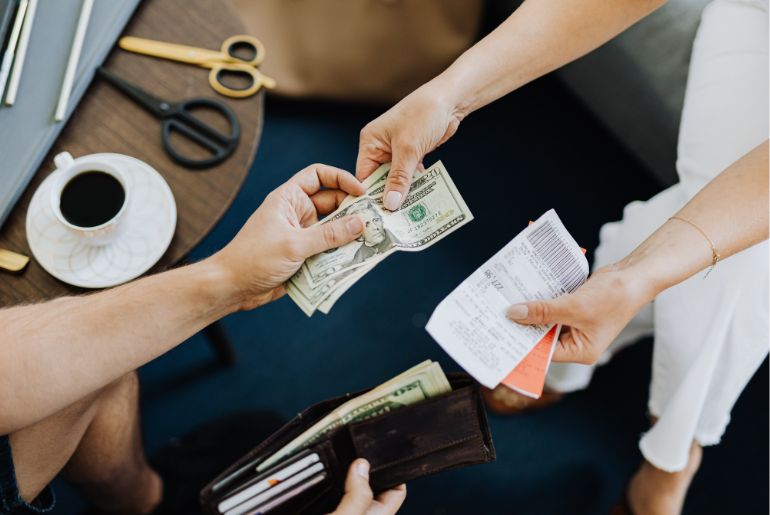
The conversation around tipping changed dramatically during the 2020s with the widespread adoption of touchscreen payment systems from companies such as Square and Toast. Prior to this, tipping was primarily associated with restaurants, bars, taxis, and hotels. Today, customers routinely encounter digital prompts requesting tips at coffee shops, bakeries, food trucks, ice cream stores, takeout counters, retail businesses, and self-service establishments.
What is more, many payment screens display preset options of 18 percent, 22 percent, or even 25 percent, sometimes requiring customers to actively decline before completing payment. Behavioral economists note that these default options create subtle social pressure because customers often complete transactions while employees are standing nearby.
“Tipflation” Fatigue
This expansion of tipping expectations has contributed significantly to what many describe as “tipflation” or “tip fatigue.” Consumers increasingly report feeling overwhelmed by frequent requests for gratuities in situations where tipping was previously uncommon. However, etiquette experts generally distinguish between traditional tipped occupations and newer digital tipping requests.
For full-service restaurants, tipping approximately 18 to 20 percent remains the widely accepted norm because servers often depend on gratuities as a substantial component of their income. For counter-service establishments, takeout orders, and similar businesses, tipping generally remains optional. Many customers choose to leave a small amount, such as spare change or one dollar, as a gesture of appreciation, but there is no universal expectation comparable to table service.
US Tipping Culture Benchmarks And Expectations Today
If you are visiting the US soon, here’s a helpful guide to know what you are expected to tip:
| Service Type | Expectation | Notes |
| Sit-Down Restaurants (Full Service) | 18% to 20%+ | Essential; servers rely on this for their base living wage. |
| Bars & Lounges | $1 to $2 per drink or 15 to 20% | $2 to $3 for complex craft cocktails. |
| Food Delivery/Rideshare | 15% to 20% | Higher during bad weather or long routes ($3 to $5 minimum). |
| Coffee Shops/Counter Service | Optional ($1 or change) | Digital prompts are common, but tipping isn’t mandatory. |
| Hotel Staff (Porters/Housekeeping) | $2 to $5 per bag or per day | Leave daily cash for housekeeping. |
Also Read: Mandatory Service Charge Declared Illegal, Government Says Diners Can’t Be Forced To Pay Extra Fees
Summing Up
American tipping culture remains one of the country’s most distinctive and controversial economic customs. Unlike many parts of the world where gratuities serve primarily as rewards for exceptional service, tipping in the United States has long functioned as a critical component of worker compensation.
Its origins lie not only in imported European customs but also in racism that influenced post-Civil War labor practices and shifted wage responsibilities away from employers. Today, debates continue over whether this model should be replaced by higher guaranteed wages and inclusive pricing. Momentum for reform is growing.
Seven states, including California, Washington, and Nevada, have eliminated the tipped subminimum wage, requiring employers to pay the full state minimum wage before tips are added. In these states, gratuities supplement income rather than replace base wages, although customers still commonly tip according to longstanding social norms.
Despite these reforms, tipping remains deeply embedded in American culture. Consumers may increasingly resist digital tip prompts and express fatigue over expanding expectations, yet traditional tipping practices in restaurants and hospitality continue to endure. For visitors and residents alike, understanding the historical, economic, and ethical foundations of the system helps explain why tipping in the United States remains unlike anywhere else in the world.