
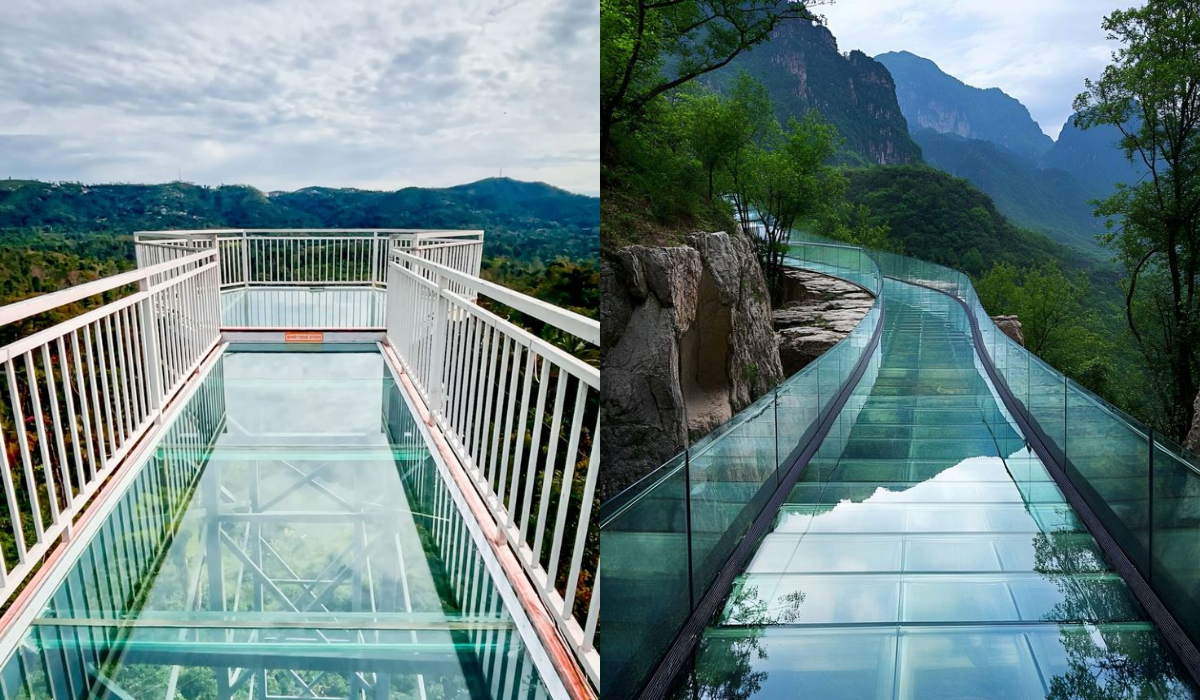
Glass bridges have quickly become some of India’s most exciting tourist attractions, combining breathtaking views with a thrilling walking experience. Built using specially engineered transparent glass panels, these bridges allow visitors to walk high above valleys, forests, rivers, and mountains while enjoying panoramic scenery beneath their feet. From the Himalayan peaks of Sikkim to the rolling tea estates of Kerala and the coastal landscapes of Tamil Nadu, glass bridges are redefining adventure tourism across the country.
With several states investing in eco-tourism and adventure infrastructure, these attractions have become increasingly popular among families, photographers, and thrill seekers alike. Whether you’re planning a weekend getaway or a longer vacation, here’s a complete state-wise guide to the best glass bridges in India, including entry fees, highlights, and travel tips.
What Is a Glass Bridge?
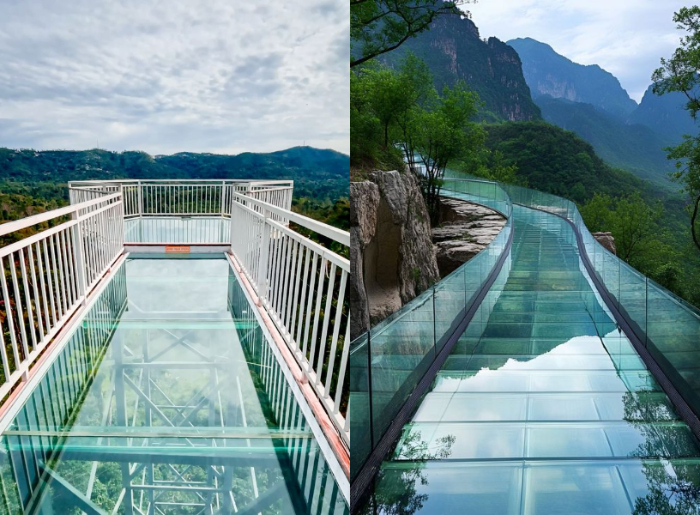
A glass bridge is an elevated walkway built using multiple layers of toughened, tempered glass supported by reinforced steel structures. Despite their transparent appearance, these bridges are designed to safely support hundreds of visitors while offering uninterrupted views of the landscape below.
Apart from providing an adrenaline rush, glass bridges have become major tourist attractions because they combine modern engineering with spectacular natural settings. Many are located near national parks, waterfalls, mountains, or heritage landmarks, making them ideal additions to sightseeing itineraries.
Also Read: Walk On Glass, Feel The Thrill: Maharashtra Unveils Its First-Ever Glass Skywalk In Sindhudurg
Bihar
Rajgir Glass Bridge
Located inside the Rajgir Nature Safari in Bihar, the Rajgir Glass Bridge is widely recognized as India’s first glass skywalk. Inspired by China’s famous glass bridges, it stretches across a deep valley while offering spectacular views of the surrounding hills and forests.
The bridge stands approximately 200 to 250 feet above the ground and measures around 130 feet in length. Visitors can also enjoy nearby attractions including ziplining, sky cycling, rifle shooting, and the Nature Safari, making it one of Bihar’s most popular adventure destinations. The bridge usually operates from 9 AM to 5 PM and remains closed on Mondays. Tickets generally start at around INR 300 as part of the safari package.
Kerala
Vagamon Glass Bridge
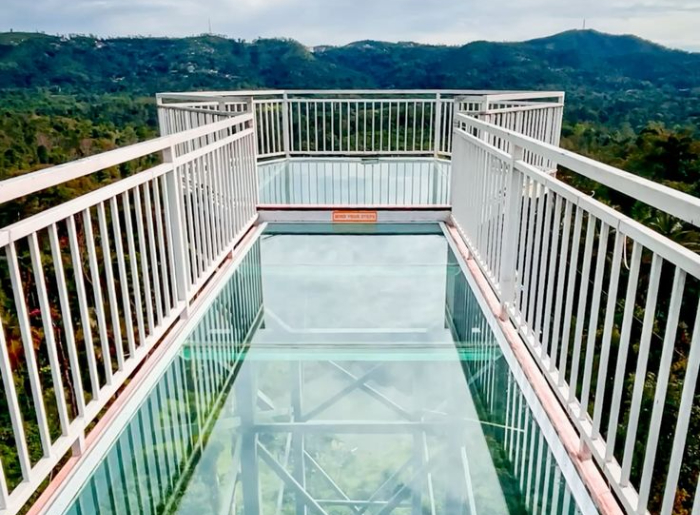
Vagamon is home to India’s longest cantilever glass bridge and one of Kerala’s newest adventure attractions. Opened in September 2023, the bridge extends nearly 40 meters over the valley, giving visitors the sensation of walking above the rolling hills and tea plantations of the Western Ghats.
Constructed using multiple layers of German glass supported by steel, the bridge accommodates a limited number of visitors at a time to ensure safety. Entry tickets are typically priced at around INR 250, while the surrounding adventure park also offers activities such as paragliding and trekking. Clear weather provides the best views of Vagamon’s scenic landscape.
900 Kandi Glass Bridge, Wayanad
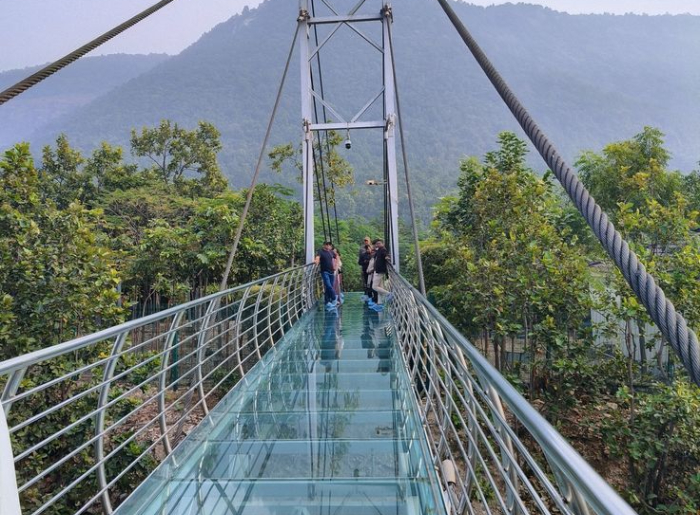
Hidden within the forests of Wayanad, the 900 Kandi Glass Bridge is considered South India’s first glass bridge. Suspended roughly 100 feet above the ground, it offers breathtaking views of dense forests and surrounding mountain peaks, including Aranamala, Vavul Mala, and Chembra. Visitors usually take a jeep safari through rugged forest trails before arriving at the attraction. Tickets generally cost around INR 250 for adults, while children enjoy discounted pricing. The combination of forest landscapes and panoramic viewpoints makes this one of Kerala’s most unique experiences.
Sikkim
Pelling Skywalk (Chenrezig Skywalk)
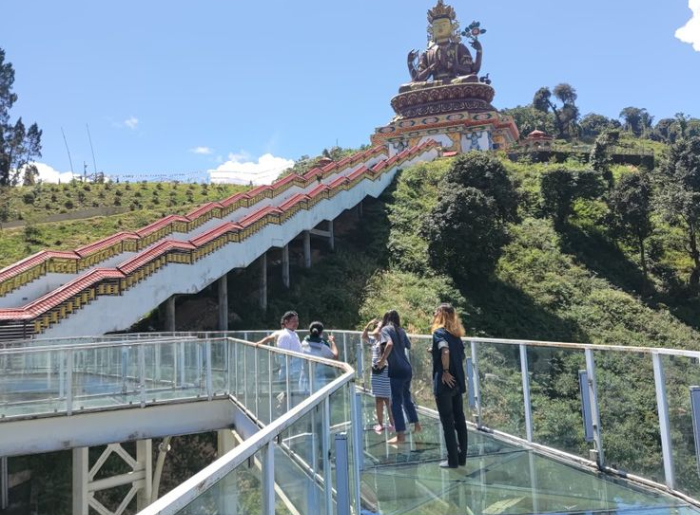
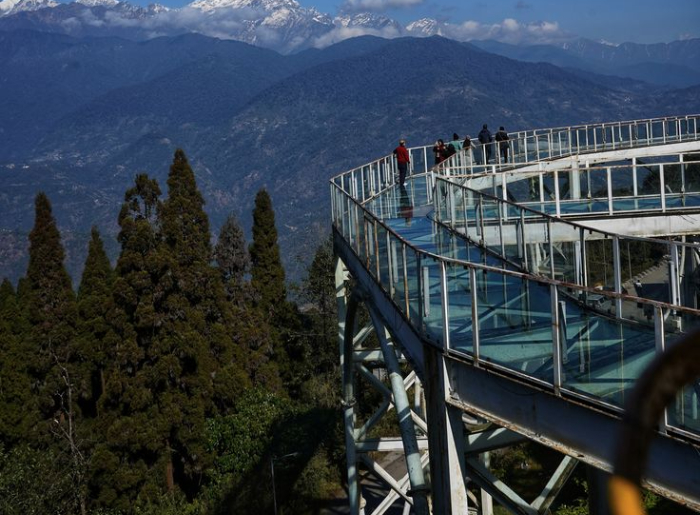
Located in Pelling, the Chenrezig Skywalk is one of Sikkim’s most visited attractions. Perched at an altitude of nearly 7,200 feet, the horseshoe-shaped walkway overlooks the towering 137-foot Chenrezig statue against the stunning backdrop of the Himalayas. Besides offering panoramic mountain views, the skywalk provides easy access to nearby monasteries, including Sangacholing Monastery. Entry tickets are priced at around INR 50, making it one of the country’s most affordable glass bridge experiences. The months between March and June generally offer the clearest weather for sightseeing.
Tamil Nadu
Kanyakumari Glass Bridge
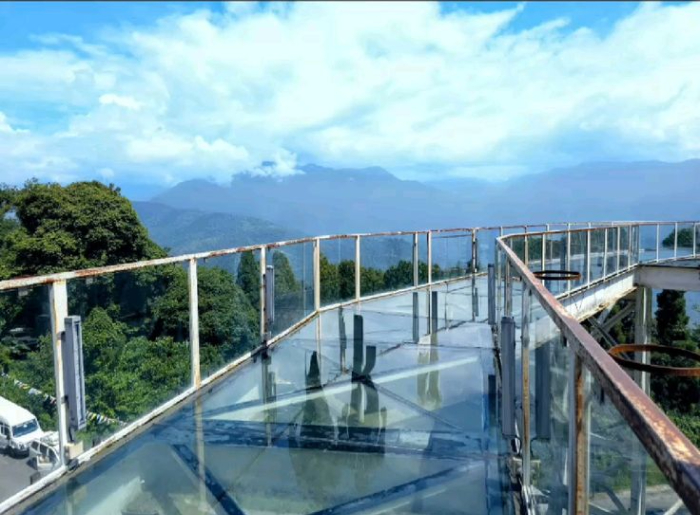
Opened in December 2024, the Kanyakumari Glass Bridge has quickly become one of India’s most iconic skywalks. Built as a bow-string arch bridge, it connects the Vivekananda Rock Memorial and the Thiruvalluvar Statue while overlooking the meeting point of the Arabian Sea, Bay of Bengal, and Indian Ocean. Stretching approximately 77 meters in length, the bridge offers one of the country’s most unique coastal experiences. Located just a short distance from Kanyakumari Railway Station, it is easily accessible for visitors exploring India’s southernmost tip.
Also Read: India’s First Glass Sea Bridge Opens in Kanyakumari
Karnataka
Malnad Glass Bridge, Coorg
Located inside Pappy’s Coffee Estate near Madikeri, the Malnad Glass Bridge remains one of Karnataka’s lesser-known attractions. Unlike government-operated skywalks, this private bridge offers visitors an offbeat experience surrounded by coffee plantations and lush valleys.
The bridge stretches around 32 meters and stands nearly 78 feet above the ground. Visitors typically pay around INR 200 for entry, although prior permission from the property owners may be required. For travelers visiting Coorg, it offers an interesting alternative to the region’s traditional sightseeing spots.
Uttar Pradesh
Chitrakoot Glass Bridge
The Chitrakoot Glass Bridge, inaugurated in April 2024, combines mythology with adventure. Designed in the shape of Lord Ram’s bow and arrow, the bridge overlooks the scenic Tulsi (Shabri) Waterfalls within the Markundi forest region.
Its distinctive design and religious significance have made it an emerging tourist attraction in Uttar Pradesh. Visitors traveling to Chitrakoot can combine the bridge with nearby temples, waterfalls, and Ramayana-related sites for a well-rounded sightseeing experience.
Upcoming Glass Bridges in India
Several new glass bridges are currently planned or under construction, highlighting the growing popularity of adventure tourism across India.
Sissu Glass Skywalk, Himachal Pradesh
The proposed Sissu Glass Skywalk will overlook the spectacular Lahaul Valley and surrounding Himalayan glaciers. Once completed, it is expected to become one of Himachal Pradesh’s major tourist attractions, particularly during the summer months.
Ranikhet Skywalk, Uttarakhand
Ranikhet is expected to welcome a new glass skywalk overlooking the majestic Nanda Devi range. Although still in the proposal stage, the project aims to strengthen adventure tourism in Uttarakhand’s Kumaon region.
Shillong Glass Bridge, Meghalaya
Meghalaya is also planning a forest skywalk near Elephant Falls in Shillong. Surrounded by dense forests and waterfalls, the project is expected to complement the state’s growing eco-tourism offerings once completed.
Why Glass Bridges Are Becoming Popular in India
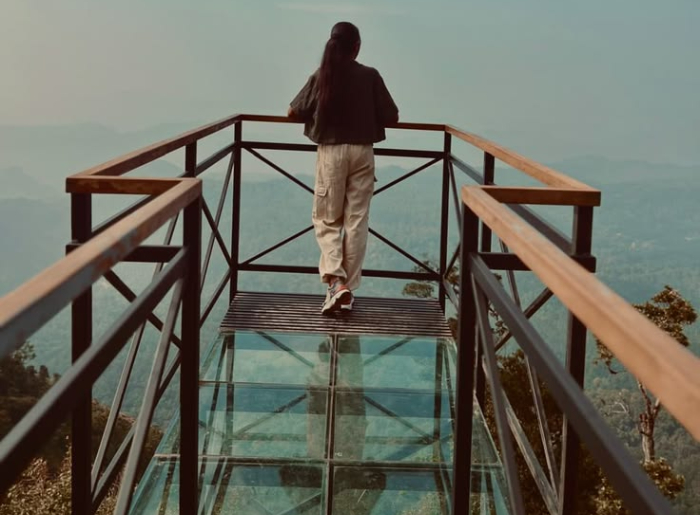
Glass bridges perfectly combine adventure with sightseeing, making them attractive to travelers of all ages. They offer thrilling experiences without requiring advanced trekking skills, allowing families, couples, and solo travelers to enjoy dramatic landscapes from entirely new perspectives.
Their popularity has also been fueled by state tourism boards investing heavily in eco-tourism, adventure parks, and sustainable attractions. Combined with stunning photography opportunities and easy accessibility, glass bridges have become must-visit destinations for travelers looking for unique experiences beyond traditional sightseeing.
Also Read: Vagamon In Kerala Gets Its Longest Glass Bridge For Tourists!
Best Time to Visit Glass Bridges in India
The ideal time to visit most glass bridges is during the cooler months between October and March, when clear skies provide the best visibility and pleasant weather for sightseeing. Hill stations such as Vagamon, Wayanad, and Sikkim are particularly enjoyable during this period.
It’s generally advisable to avoid visiting during periods of heavy rainfall or dense fog, as weather conditions may affect visibility or temporarily restrict access. Early mornings also tend to be less crowded, offering a more comfortable experience and better opportunities for photography.
Travel Tips Before Visiting a Glass Bridge
- Check the latest ticket prices and operating hours before your visit, as they may vary by season or destination.
- Book tickets online in advance, especially for popular attractions like Rajgir and Vagamon during weekends, holidays, and peak travel seasons.
- Wear comfortable flat shoes with good grip, as high heels and slippery footwear may not be permitted.
- Follow all safety instructions provided by the staff and adhere to visitor capacity limits at all times.
- Avoid running, jumping, or leaning against the glass panels to ensure your safety and that of other visitors.
- Visitors with severe vertigo, heart conditions, or a strong fear of heights should exercise caution before stepping onto the bridge.
- Photography is usually permitted, but check local rules regarding drones, as special permission may be required.
- Visit during clear weather whenever possible, as heavy rain, strong winds, or dense fog can affect visibility and may lead to temporary closures.
Summing Up
From the Himalayan landscapes of Sikkim to Kerala’s lush tea-covered hills and the dramatic coastline of Kanyakumari, glass bridges have introduced an exciting new dimension to tourism in India. These engineering marvels not only provide unforgettable views but also encourage travelers to explore destinations in entirely new ways.
Whether you’re seeking adventure, incredible photography opportunities, or simply a memorable travel experience, India’s growing collection of glass bridges deserves a place on your travel bucket list.