


Malappuram, with its rolling hills, pristine coastlines, and dense rainforests, is a spectacular year-round destination in Kerala. However, because its geography stretches from the high Western Ghats down to the Arabian Sea, the weather varies wildly depending on the time of year. Choosing the right month can mean the difference between trekking through crisp, misty mountain air or getting caught in a blinding tropical downpour that shuts down local roads. Here is your definitive month-by-month guide to help you figure out the best time to visit Malappuram.
When Is The Best Time To Visit Malappuram? Seasonal Overview
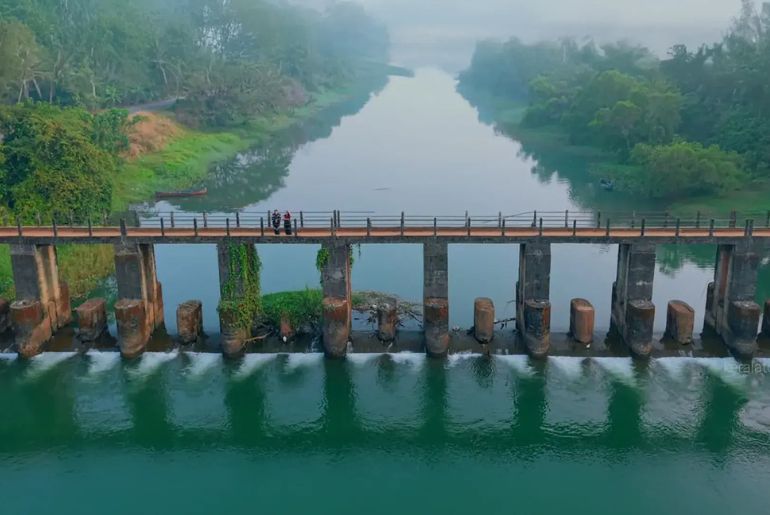
Malappuram experiences three distinct seasons:
- Winter (October to February): Peak tourist season. The weather is pleasant, dry, and relatively cool, making it ideal for sightseeing and outdoor exploring.
- Summer (March to May): Hot and humid. Perfect for exploring dense forest canopies like Nilambur or heading to the beaches during sunset.
- Monsoon (June to September): Heavy tropical rains. The landscape turns incredibly lush, and waterfalls swell to maximum capacity, though outdoor trekking is limited.
Malappuram Weather Month-By-Month Breakdown
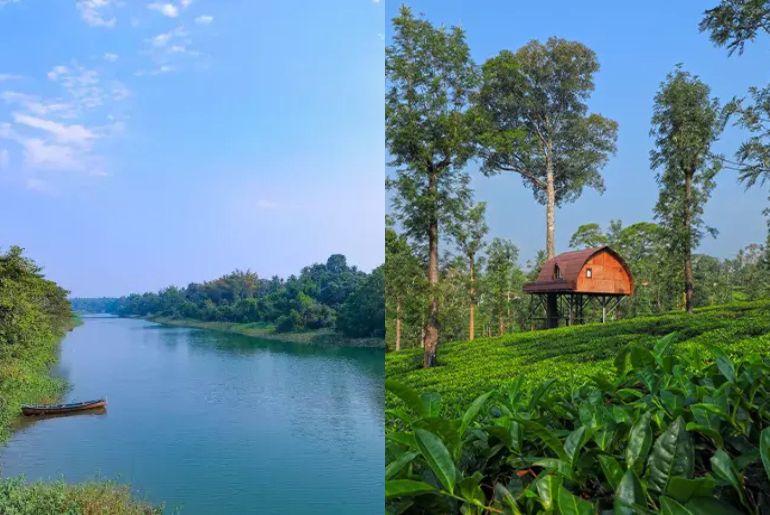
October To December: The Golden Window (Peak Season)
This is widely considered the absolute best time to visit Malappuram. The monsoon has washed the landscape clean, leaving behind emerald-green hills, full rivers, and crystal-clear skies.
- October: The transition month. Rains decrease significantly, and the mist starts rolling into high-altitude areas like Kodikuthimala and Arimbra Hills (Mini Ooty).
- November: The weather cools down, averaging a comfortable 24°C to 30°C. This is prime time for walking through the historic Mamankam grounds in Thirunavaya or birdwatching at the Kadalundi Estuary.
- December: The cultural calendar picks up. Evenings are pleasantly cool. It is the best month to explore the open-air parks of Kottakkunnu without breaking a sweat.
January And February: The Cultural And Migratory Peak
The weather remains dry and highly pleasant, though humidity begins a slow upward climb towards late February.
- January: Excellent weather for deep jungle trekking in the Nedumkayam Rainforest. Migratory birds crowd the Kadalundi Sanctuary in massive numbers this month.
- February: Ideal for beach hopping along Vallikunnu and Padinharekara. Local temple festivals (Utsavams) and cultural events at Thunchan Parambu take place, offering a deep dive into local heritage.
March to May: The Tropical Summer (Off-Peak Bargains)
Summer in Malappuram is intensely humid, with daytime temperatures peaking around 35°C to 38°C. However, it is an excellent time for budget travelers looking for lower accommodation rates.
- March: Early mornings are still manageable for outdoor sightseeing, but afternoons call for indoor attractions like the Nilambur Teak Museum.
- April: The heat intensifies. The best escape is heading to high-altitude viewpoints early in the morning or enjoying the shaded canopy of Conolly’s Plot.
- May: The afternoon heat is often broken by sudden, dramatic pre-monsoon thunderstorms (Mango Showers), which provide quick relief and start greening the parched hills.
June to September: The Monsoon Splendor (Eco-Tourism Season)
Malappuram receives torrential rainfall from the Southwest Monsoon. While it isn’t suited for standard sightseeing, it is a paradise for photography enthusiasts and nature lovers.
- June: The monsoon arrives in full force. Waterfalls like Adyanpara swell rapidly into roaring torrents. Rivers run high, and the entire district turns into an intense shade of green.
- July: Heavy, continuous downpours are common. Travel logistics require flexibility as minor road delays can happen, but the misty vistas at Arimbra Hills are incredibly cinematic.
- August: The rain begins to fall in intermittent spells rather than non-stop sheets. It is a fantastic month for Ayurvedic rejuvenation treatments, which are traditionally most effective during the wet season.
- September: The rains recede into light evening showers. The backwaters are calm, the waterfalls are safe to approach, and the festive spirit of Onam takes over the towns.
Here is a convenient table for your benefit summarizing the weather conditions in Malappuram year-round:
| Months | Average Temp Range | Travel Profile | Key Recommendation |
| Oct to Dec | 23°C to 31°C | Peak (Perfect Weather) | Hill stations, trekking, historic sites |
| Jan to Feb | 22°C to 32°C | High (Cultural Peak) | Bird sanctuaries, beaches, festivals |
| Mar to May | 26°C to 37°C | Off-Peak (Hot and Humid) | Museums, air-conditioned stays, indoor tours |
| Jun to Sep | 24°C to 30°C | Monsoon (Lush Eco-Travel) | Waterfalls, Ayurveda, landscape photography |
What To Pack Based On When You’re Visiting
To ensure a smooth trip, align your luggage and booking habits with the season you choose. Here’s how you do it:
1. High-Season Advance Action: Secure Winter Stays Early
If traveling between October and January, book your boutique homestays and Nilambur forest lodges at least six weeks in advance, as premium eco-properties sell out completely during the golden window.
2. Monsoon And Summer Preparation: Pack Weather-Specific Gear
For June to September trips, pack industrial rain gear, heavy-duty waterproof dry bags for cameras, and high-grip sandals. For March to May trips, pack breathable cotton clothing and high-SPF sunscreen.
3. Real-Time Adjustments: Align Itineraries with Daily Forecasts
During the monsoon months, check local weather updates daily. Avoid deep river crossings or sitting directly under heavy waterfall drops on days predicting heavy, isolated cloudbursts in the Ghats.
Also Read: Best Places To Visit In Kerala After The First Rain
Summing Up
If you want a flawless, hassle-free vacation with perfect weather for trekking and exploring historical ruins, aim for the winter window between November and January. If you are an offbeat traveler who wants to experience Kerala’s raw, rain-drenched beauty and witness thundering jungle waterfalls at their absolute peak, plan a monsoon escape in September when the rains ease into gentle, refreshing showers.