
The modern transit infrastructure is rapidly evolving on a large scale. You may have often heard of the term ‘Greenfield’ used in association with airports and highways or expressways. The use of the adjective often makes one think of that particular infrastructure project as a relatively more eco-friendly one. However, it has nothing to do with a project being more environmentally friendly. Have you ever wondered what it actually means? Well, when governments or developers plan mega-projects like expressways or international aviation hubs, they classify them into two primary categories: Greenfield and Brownfield (Regular). Here is what these terms mean.
What Is A Greenfield Airport Or Highway?
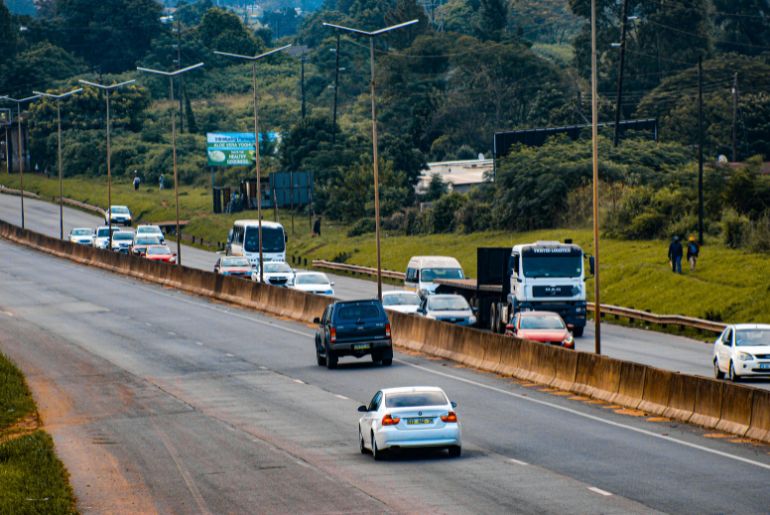
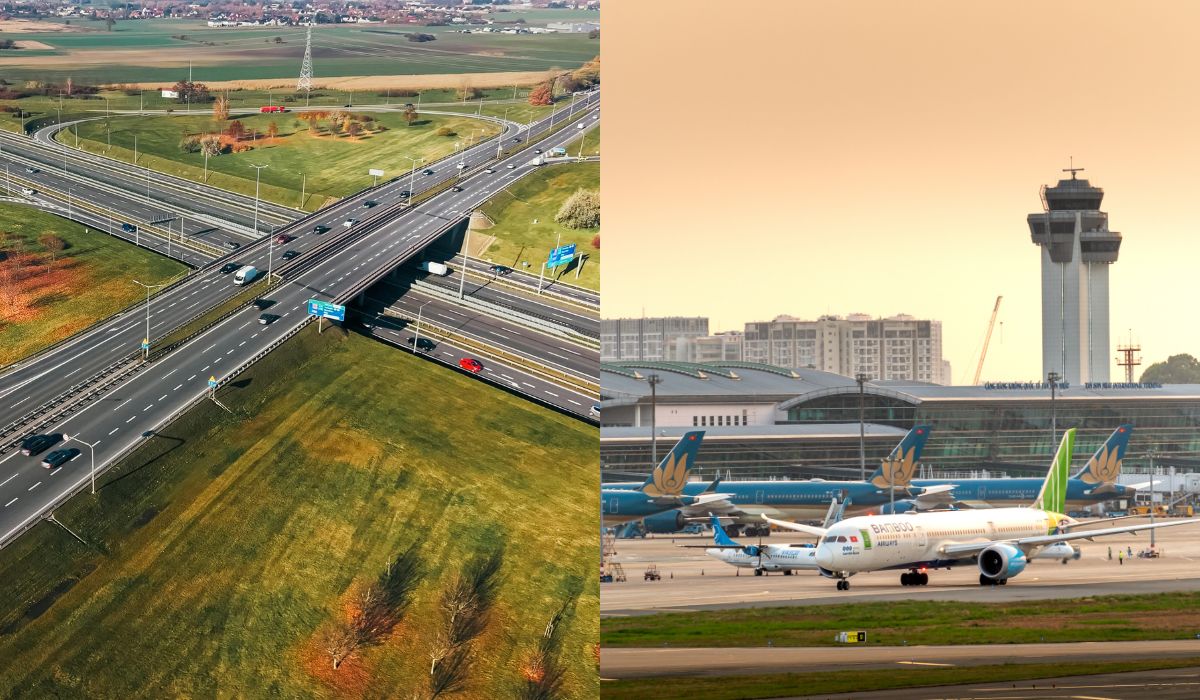
The term ‘greenfield’ originates from urban planning, where a project is built on literal “green fields” (such as agricultural land or undeveloped plots outside city limits). So, a greenfield airport denotes that the brand-new aviation facilities are built entirely from the ground up on fresh sites to ease congestion at older urban hubs (e.g., the newly built Noida International Airport in Jewar or the Navi Mumbai International Airport).
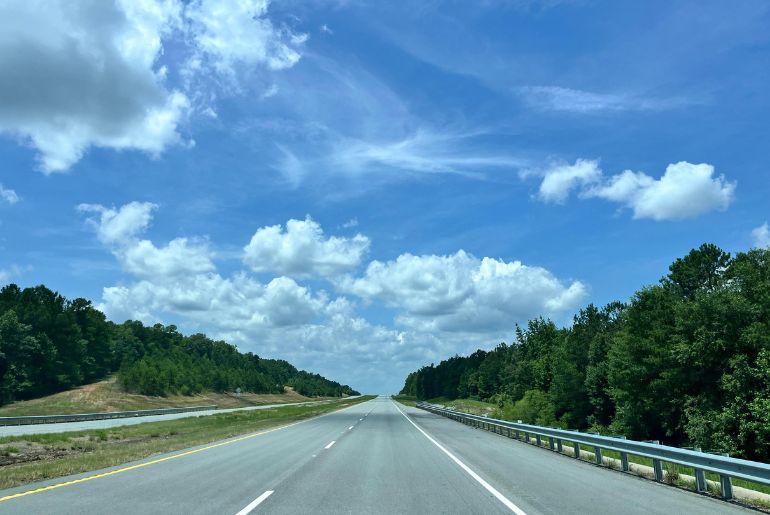
On the other hand, greenfield highways, expressways, or corridors denote brand-new expressways mapped along entirely new geographic alignments, bypassed cleanly away from existing clogged state or national highways.
Also Read: Gadchiroli Greenfield Airport Gets INR 104 Crore For Land Acquisition
Greenfield Vs Brownfield (Regular) Projects
The Indian government, over the last few years, has aggressively prioritized greenfield projects. To understand why governments are aggressively prioritizing these new alignments, observe how greenfield developments structurally differ from regular brownfield upgrades. Here is a table to help you easily understand this:
| Feature/Metric | Greenfield Infrastructure | Regular/Brownfield Infrastructure |
| Starting Point | Built from absolute scratch on unused land | Built by modifying or expanding an existing asset |
| Design Flexibility | Maximum; free from legacy layout constraints | Limited by pre-existing structures and boundaries |
| Speed & Speed Limits | High design speeds (e.g., 120 km/h on expressways) | Lower speeds due to old turns and urban traffic patches |
| Expansion Potential | High; vast land reserves kept between carriageways | Extremely difficult due to intense local encroachment |
| Disruption Factor | Zero traffic disruption during the construction phase | Massive traffic bottlenecks and detours during expansion |
Also Read: Michelin Mystery: What Is A Michelin Star? How Does The Rating System Work?
Pros And Cons Of Greenfield Projects
The Key Advantages
- Engineers can implement the latest eco-friendly technologies, smart cargo logistics, and massive runway matrices without demolishing old concrete.
- It helps create economic sub-hubs by building away from saturated cities. This opens up completely new economic corridors, driving down land acquisition costs and creating localized real estate booms.
Also Read: What Is A Glow-cation? Kerala’s Best Wellness Retreats For 2026
The Major Challenges
- Sourcing thousands of hectares of fresh land requires deep financial backing and extensive regulatory environmental clearances.
- Because there is zero foundational ecosystem to build upon, grid connectivity, water pipelines, and approach roads must all be developed simultaneously.
- Loss of natural habitat is also a regrettable outcome of greenfield projects.
Also Read: What Is The Difference Between Hyderabadi, Lucknowi, And Kolkata Biryani
Summing Up
While regular or brownfield projects keep our existing transport systems breathing through expansions and lane-widening, greenfield projects are the true blueprints of future travel. By stepping away from the physical restrictions of older city limits, greenfield airports and highways offer unmatched design freedom, lightning-fast transit speeds, and the long-term scalability required to sustain modern economic growth.