

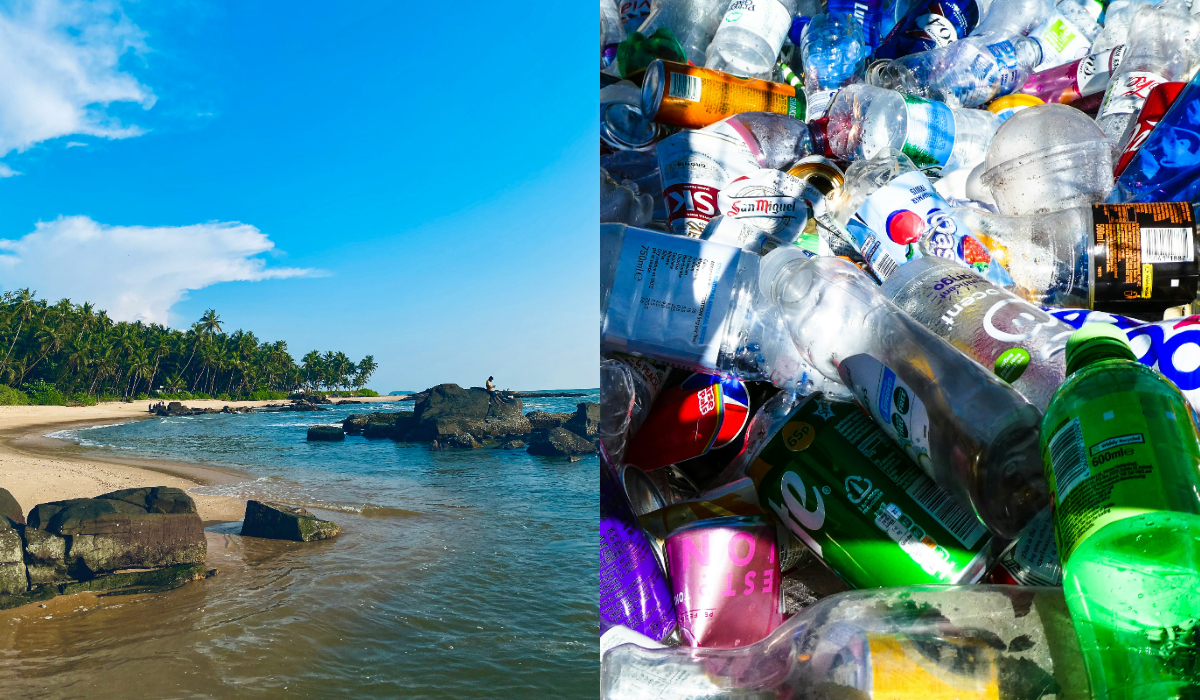
As the world celebrates the 2026 theme of World Environment Day, continuing the global focus on tackling plastic pollution, there has never been a better time to rethink the way we travel. Plastic waste is one of the biggest contributors of waste, especially in the tourism industry.
Fortunately, several destinations across India are proving that sustainable tourism is not only possible but also incredibly rewarding. From Himalayan villages and island territories to eco-conscious beaches and hill stations, these places are taking steps in the positive direction towards encouraging responsible travel practices.
Why Plastic-Free Travel Matters
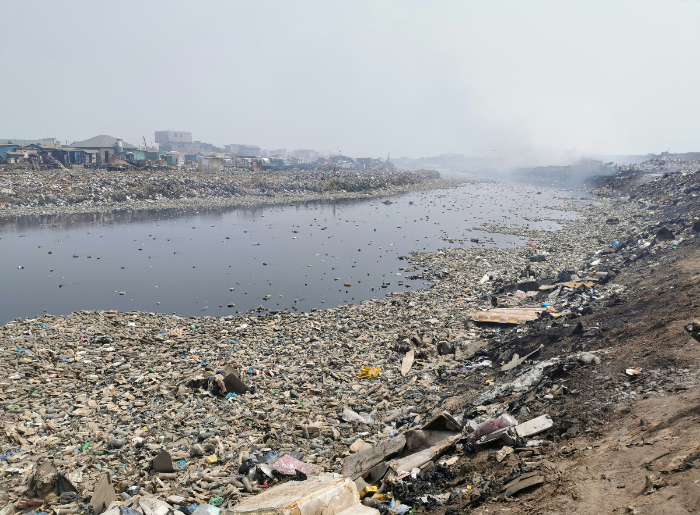
The United Nations declared single-use plastic items as one of the significant elements of rising global warming, particularly ocean pollution. Every year, millions of tonnes of plastic waste enter ecosystems worldwide, polluting rivers, forests, mountains, and oceans. And sadly, popular tourist destinations are often some of the places that get polluted the most, especially during peak travel seasons.
Choosing plastic-free destinations helps:
- Reduce environmental pollution
- Protect wildlife and marine ecosystems
- Support sustainable local economies
- Encourage responsible tourism practices
- Inspire travelers to adopt eco-friendly habits
Travelers are encouraged to carry reusable water bottles, cloth bags, and sustainable toiletries. By following precautions and sustainable practices, tourists can contribute to preserving the natural beauty of these destinations.
Union Cabinet Minister of Labour and Employment, Environment, Forest and Climate Change, Bhupender Yadav recently revealed that the country is generating about 3.5 million tonnes of plastic waste annually, more than 34 lakh tons of plastic waste was generated in 2019-20 and 30.59 lakh tons in 2018-19.
Also Read: Himalayan Sustainable Tourism: A Guide to Sikkim State Day 2026
1. Sikkim
The state of Sikkim is one of the few Indian states to lead the way in terms of environmental protection and sustainable practices. It became the first Indian state to ban disposable plastic bags in 1998. It is also among the first states to target single-use plastic bottles.
In 2016 Sikkim took two important steps that created history: it banned the use of packaged drinking water in government offices and government events. It also banned the use of Styrofoam and thermocol disposable plates and cutlery to cut down on toxic plastic pollution.
2. Dzukou Valley
Dzukou Valley is one of the most scenic places in Northeast India, feeling like a postcard straight out of a Ghibli movie. It officially announced itself a plastic-free zone in 2019. The Southern Angami Youth Organization in accordance with its pledge to conserve and protect the environment had started the task of maintaining this region.
Located at an altitude of 8,000 feet above sea level on the Nagaland-Manipur border, this scenic destination is known for its emerald-green hills, serpentine streams, and unique nature trails.
3. Kumarakom
Kumarakom in Kerala is a destination known not only for its pristine, calm backwaters, but also for its efforts towards cleanliness and sustainability. Under the ‘plastic-free Kumarakom’ campaign, there are efforts to turn this destination into a carbon-neutral destination. As part of the campaign, the resorts under the Chamber of Vembanad Hotels and Resorts (CVHR) have initiated measures to ensure effective energy utilization.
Plastic collection centers have been opened at houseboat terminals in Kavanattinkara, Cheepunkal and Kaipuzhamuttu. This plastic waste will be recycled at Ettumanoor Industrial Estate.
4. Pangot
Situated in the Himalayan foothills of India, Pangot is a vibrant biodiversity hotspot for nature enthusiasts. It is home to 200 resident bird species. Before 2018, Pangot lacked a well-established garbage disposal system in place. This resulted in people littering openly, even into the bottom of a local gorge from where it would go into the river.
In 2018, a group of hotel owners and NGO Chintan launched the “Zero Waste Pangot” initiative. And the results showed! In just a year, Pangot and its residents reduced plastic consumption without hampering with tourist crowds
5. Chandigarh
In 2022, Chandigarh made headlines with the launch of a ‘Plastic-Free City’ campaign in Chandigarh. Under the Swacch Mission Chandigarh program, several awareness campaigns were organized to ensure that Chandigarh residents participate in this program.
Chandigarh is also one of the earliest planned cities in India, standing out for its well-designed urban plan. Today, it is celebrated for its modernist architecture, grid-iron layout, and the seamless integration of green spaces and mixed-use residential zones.
6. Kannur
In 2017, an entire district in Kerala was declared free of plastic disposables and carry-bags in just five months. With a state-wide participation of more than 25 lakh people, Kannur became the first plastic-free district in India.Within a year, there was a reduction of 40 lakh plastic carry bags in Kannur District.
Kannur is a district in Kerala known for its significance as the ‘Great Emporium of the Spice Trade’. It is known for its vibrant Theyyam folk rituals, Asia’s longest drive-in beach, and is home to plenty of backwaters, spice markets, museums, and beaches.
Summing Up
Here we reach the end of the blog about some of the plastic-free destinations in India. From Sikkim to Kannur, many regions in India are putting efforts into sustainable, environment-friendly laws, policies, and the infrastructure to support them.
Also Read: Himalayan Sustainable Tourism: A Guide to Sikkim State Day 2026