

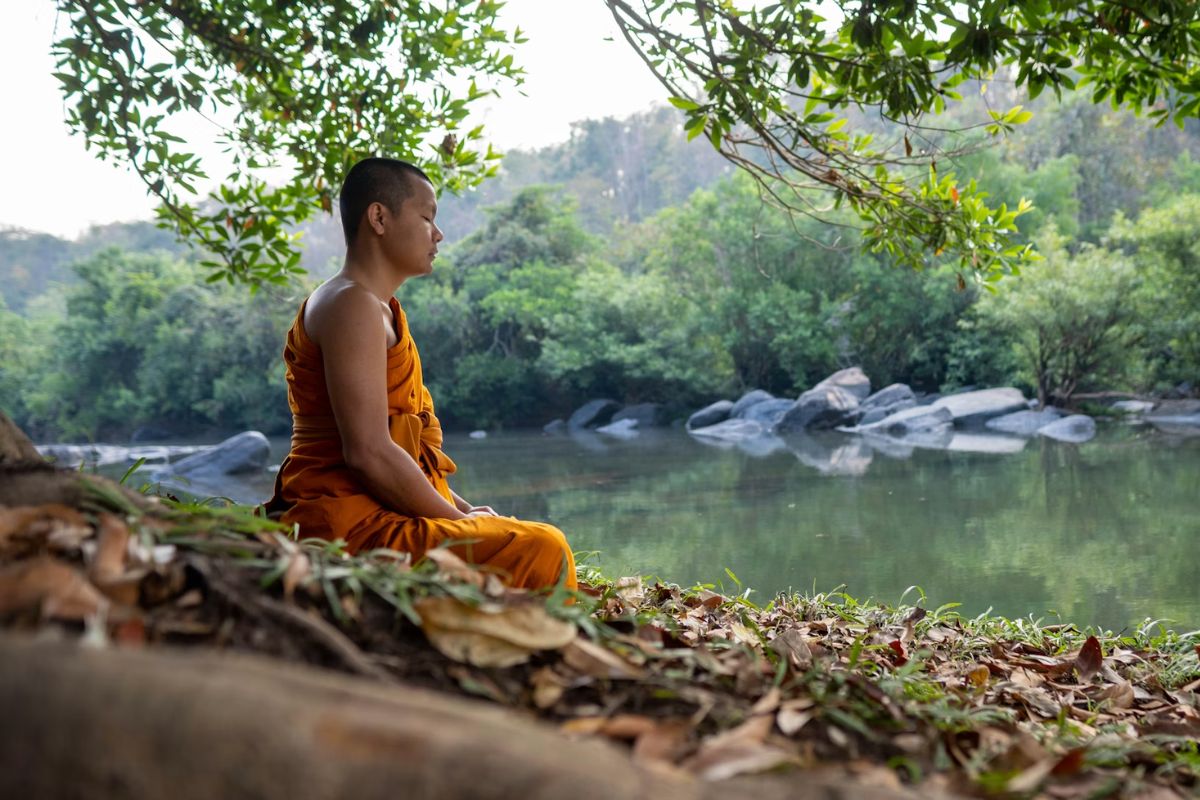
Vipassana is one of India’s most ancient meditation techniques. It is a Buddhist technique that is focused on self-transformation. Originating from the Pali language, the word Vipassana means “to see things clearly.” There are various dedicated centers that offer the Vipassana courses. But what exactly is Vipassana meditation? How can one do it? What are its benefits? Here is a beginner’s guide to Vipassana, check it out!
Beginner’s Guide To Vipassana
What Is Vipassana Meditation?
Vipassana meditation is an ancient mindful practice that translates into “seeing things as they are” or “to see things clearly.” This practice is rooted in Theravada Buddhism and was rediscovered over 2,500 years ago by Gotama Buddha.
It involves observing your bodily sensations and breath without any judgment to cultivate a deep sense of awareness. It is different from the practices that rely completely on mantras or visualization; instead, it focuses on the reality of the present.
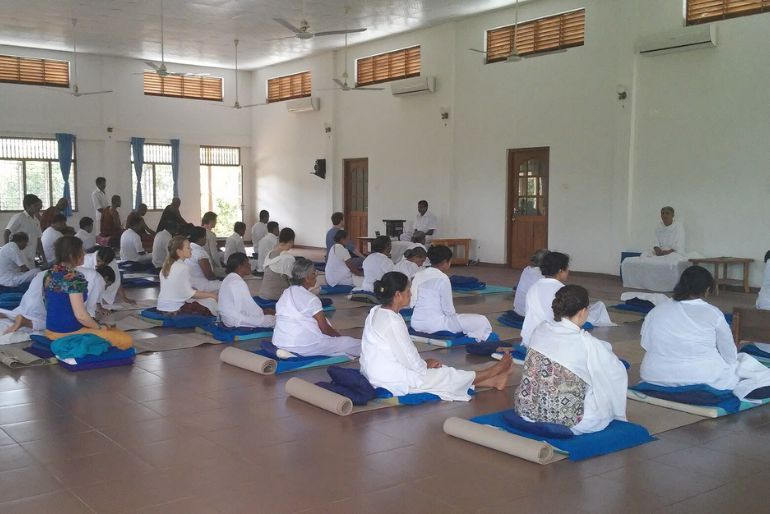
Vipassana Course For Beginners: 10 Day Vipassana Course
There are many Vipassana centres that offer beginner’s courses for beginners who wish to understand and experience this technique. It happens to be a 10 day long course. The course is an intensive, residential and silent meditation retreat that lasts for 10 days.
In these 10 days, all the participants learn to observe their minds and bodies to cultivate self-awareness and peace. These courses are generally free of charge and are solely funded by voluntary contributions or donations from the past students. The participants who sign up for this course have to follow a strict code of conduct.
Vipassana Retreat Guide
Stepping into a Vipassana 10-day retreat is a profound commitment. Knowing what to expect can help you prepare your mind better for the same.
Noble Silence
From the evening before the course begins till the morning of the 10th day you must practice noble silence. This means that you cannot speak to any of your fellow meditators. You may speak to the managers here regarding logistics or any doubt about the techniques. No hand gestures, eye contact or sign language can be used. You have to establish complete disconnection from the outside world, this means no phones, no books or any writing materials.
Strict Routine
The schedule is designed to make sure that you can focus better. It begins at 4:30 AM with a wake-up bell followed by a two hour meditation in the hall or in your room. After this from 6:30 AM to 8:00 AM you can have your breakfast followed by a group meditation session lasting 3 hours.
You can rest and have lunch from 11:00 AM to 1:00 AM. This is followed by an intensive meditation session till 5:00 PM. You can take a tea break that lasts only for an hour. From 6:00 PM to 7:00 PM you have to take part in another meditation session which will be followed by the teacher’s discourse for an hour. The next meditation session begins at 8:00 PM and ends at 9:00 PM. The lights go out at 9:30 PM which signals you to sleep.
Minimalist Lifestyle
The accommodation at the retreat is simple and segregated as per their gender. The food provided here is completely sattvic which means vegetarian, balanced and wholesome. There is no physical activity as you are meditating all day so you will not require food as you usually do.
Also Read: Experiencing Vipassana Meditation In Pune
Vipassana Meditation Benefits
Though these 10-day intensive courses might feel like a mental marathon but it will have long-lasting positive effects on you.
- You will feel that your anxiety and stress have reduced. This is because you naturally develop a calmer disposition as you train your mind to not react to external triggers.
- You will experience mental clarity and an increase in focus as you strip away all the digital noise around you.
- The course will help you in better regulation of emotions. It will help you to learn and recognize all the physical sensations that are related to craving, anger or frustration. This in turn helps you to understand how not to blindly react to any given situation.
Vipassana Meditation Tips
- The first few days of this course will naturally be very difficult. Make sure you commit fully to it.
- Trust the process. This is very important as getting distracted and leaving the course in between will surely feel like the best idea. But you have to understand and trust the process to stay.
- Make sure you pack modest, loose and comfortable clothes. Since you will spend most of the time in the meditation hall, make sure your clothes have nothing that would make any noises.
- You will have to sit for hours meditating. Make sure you try and practice sitting with benches or cushions to find your best posture to sit comfortably.
- Experiencing pain in the knees and back is completely normal. You will learn a lot by observing this pain.
- Begin this course with an open mind not with any expectations.
Also Read: Understanding Adhik Maas: Why 2026 Features A Rare Extra Lunar Month
Summing Up
Vipassana is a mindful technique that brings in self-awareness and focuses on self-transformation . The 10-day beginner course is surely something you can try if you wish to dive into the silent world of meditation. Share and save this guide to Vipassana with your friends and family.
FAQs
How Does Vipassana Work?
Vipassana works by using self-observation by breaking down the mental patterns that cause suffering and stress. This is very different from the techniques that use visualization or mantras.
What Should Beginners Expect In Vipassana?
Beginners can expect a highly rewarding mental detox that helps in rebuilding your relationship with your mind.
Is Vipassana Difficult For Beginners?
Yes, Vipassana is difficult for beginners as it is a physical and mental challenge.
Can Beginners Attend Vipassana Retreats?
Yes, beginners can attend Vipassana retreats.
What Are The Rules Of Vipassana Meditation?
Observing noble silence, no outside communication, no other practices and attending all meditation sessions are some of the rules of Vipassana meditation.
What Are The Benefits Of Vipassana Meditation?
Reduced anxiety, reduced stress, mental clarity, and increase in focus are some of the benefits of meditation.
How Should I Prepare For Vipassana?
Adjusting your sleep, practising sitting on the floor, and stretching daily are some of the steps you can take to prepare for Vipassana.
Is Vipassana Worth Trying?
Yes, Vipassana is surely worth trying.