
Every year on May 16, the prayer flags in all of Sikkim, across the Teesta Valley, fly with an added intensity. It is on this day in 1975 that the Land of Flowers became a part of India’s already vibrant cultural tapestry and made it even richer. The Sikkim State Day festivities are worth witnessing, and if you’re planning to go there during this time, here is a comprehensive unstumbled guide that will ensure that your stay is just as enchanting as it is eco-friendly.
Sikkim State Day: A Sustainable Tourism Guide
Sikkim State Day festivities are just as breathtaking as the scenes it offers, and just as vibrant as the cultures of the plethora of tribes that call this state their home. And there is no better time to witness the beauty of them all than at the Sikkim State Day festivities. This year’s theme is Sustainable Lifestyles and Eco-Wellness.
Where Will The Sikkim State Day Be Celebrated?
The major celebratory events are taking place at the Paljor Stadium in Gangtok. Different tribes from across the state come together to showcase their respective culture. Expect to be enthralled by the captivating traditional dances by the Lepcha, Bhutia, and Nepali communities.
International Flower Festival And Garden Festival
Sikkim is a floral heaven, and the State Day also coincides with the time around which the International Flower Festival, as well as the Garden Festival, is celebrated. These festivals are an excellent opportunity to witness the vibrant and rare diversity of rhododendrons and orchids they have.
Also Read: Best Offbeat Villages In Sikkim
How To Do Sustainable Travel In Sikkim?
If you are visiting this mesmerizing place, you have to keep in mind that it is quite protected ecologically. Following are some things that you should be mindful of when visiting the state:
1. Sikkim Is A No-Plastic Zone
You cannot bring single-use plastic in this state, and the enforcement of this is stronger than ever. Avoid bringing in plastic water bottles as homestays generally serve drinking water in bamboo and glass containers.
2. Support Local Homestays Over Hotels
If supporting local culture and economy is something you’re passionate about, you should live in local homestays instead of hotels, especially in areas like Yuksom and Dzongu. This is also the best way to experience local culture. The food is organic and comes straight to your plate from their backyard farms.
3. Electric Mobility
In order to reduce the carbon footprint in the delicate mountain air, the government has introduced a fleet of electric vehicles and taxis to help tourists get around town and sightsee.
Also Read: Do Indians Need Permits To Visit Sikkim? Inner Line Permit For Sikkim Explained
Other Tips To Support Sustainable Travel In Sikkim
- Carry all your trash back with you when you’re out sightseeing. Do not litter at tourist spots.
- If you’re camping anywhere near the lake, avoid using soap in the lake water.
- Use shared EVs from Gangtok to reduce your carbon footprint even more.
- Purchase organic tea directly from the workers’ cooperatives instead of purchasing it from malls or other retail destinations.
- If you do see small trash on any tourist spot, pick it up.
Why Is Sikkim Famous For Eco-Wellness?
Owing to this year’s theme, the state is specifically promoting forest bathing and spiritual retreats. Sikkim, owing to the wealth of natural resources it has been endowed with, is particularly conducive for such activities.
If you’re a spiritual person and love visiting temples, especially form another cultures, Rumtek and Pemayangtse are perfect for you. A number of monasteries offer guided meditation sessions that will reinvigorate your soul.
The Buddhist philosophy you’ll learn there for preserving nature is also quite refreshing in this rapidly industrializing world.
Another unmissable experience in Sikkim is the hot springs. The ones at Yumthang and Reshi are particularly famous for their medicinal and healing properties. These sites are also managed by the local communities to ensure that their natural minerals remain uncontaminated.
Also Read: How To Plan A Trip To Sikkim: Permits, Best Time, Budget And Itinerary
What Spots To Visit In Sikkim In May?
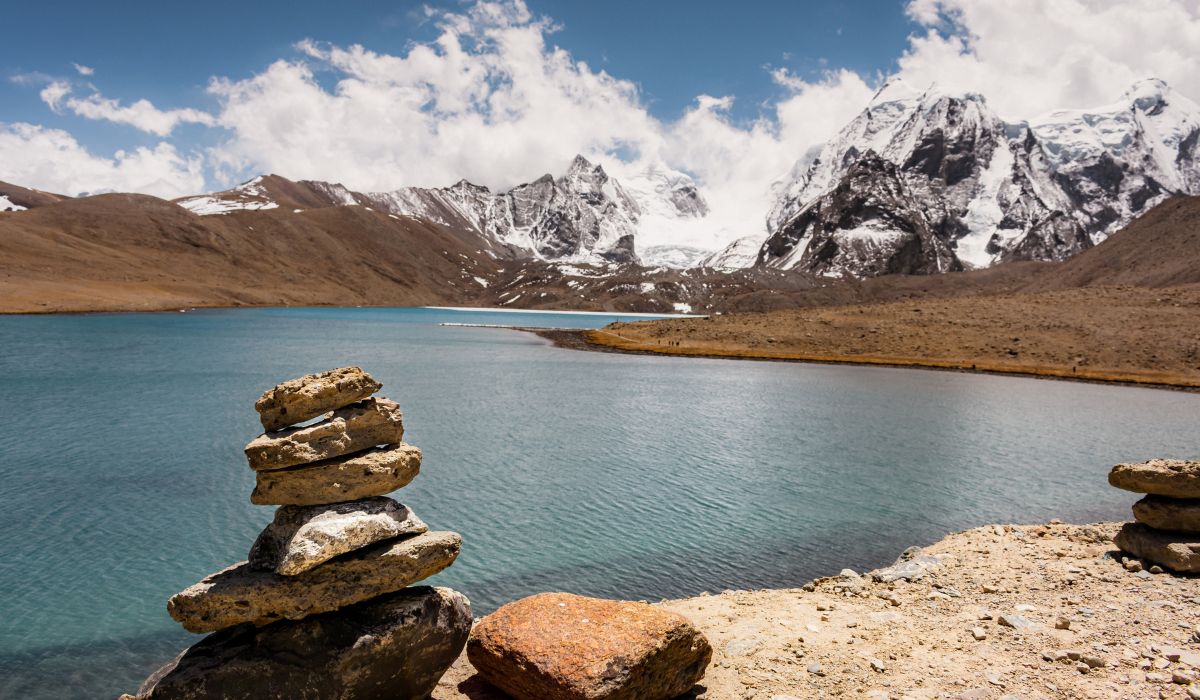
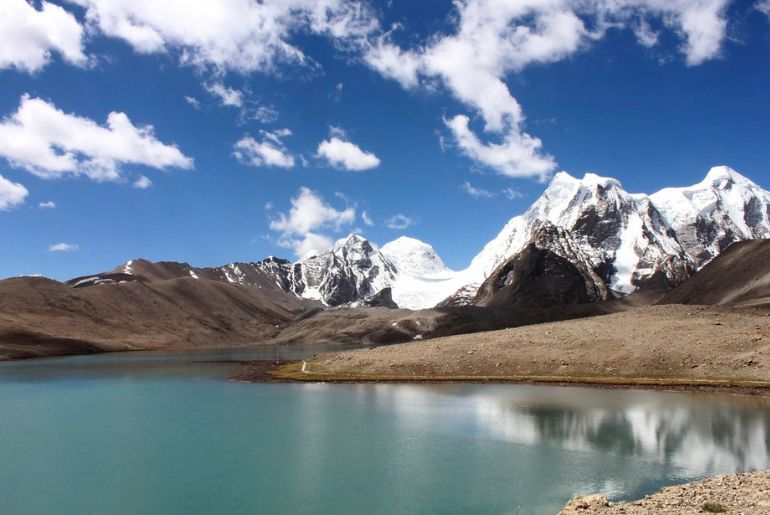
1. Gurudongmar Lake
By this time, the lake has thawed, and you get to behold the brilliant turquoise waters at 17,800 ft.
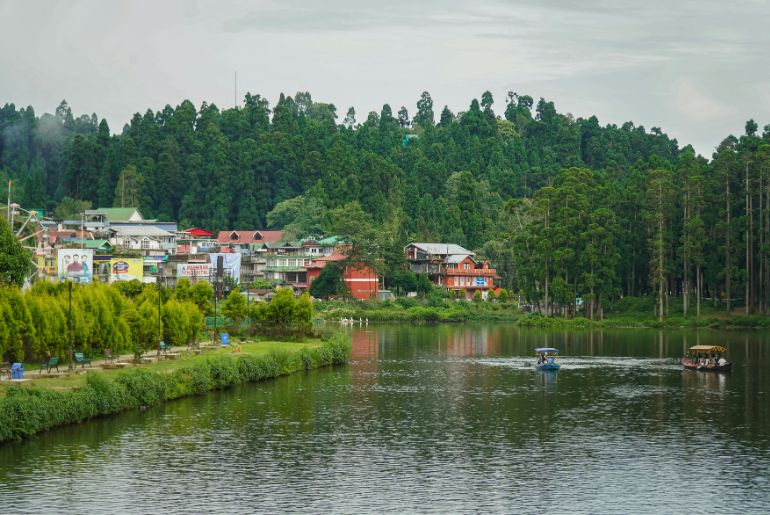
2. Tsomgo Lake
The verdant greenery of the lake right after the snow of winter has melted away is truly divine.
3. Temi Tea Garden
This is the only tea estate in Sikkim and is definitely worth a visit.
4. Pelling
Pelling offers the best views of the Kanchenjunga mountain range, especially from the eco-friendly skywalk.
Also Read: Adventure Sports In Sikkim
Homestay Recommendations For Your Trip
1. Reposeful Limboo Homestay, Darap-Pelling
Cost Per Night: INR 2,400
2. Hillstop Homestay, Saldara
Cost Per Night: INR 2,000
3. The Mountain Porch, Samdong
Cost Per Night: INR 2,800
4. The Fifth Cloud Homestay, Lachen
Cost Per Night: INR 2,100
5. Woodland Haven Farmstay, Ribdi
Cost Per Night: INR 2,450
Summing Up
Sikkim is a breathtaking region. The snow-capped mountains, the mouthwatering cuisine, and the distinctive culture all make the state one of the best travel destinations our country has to offer. As such, travelers in the region also need to be extremely careful, not to litter or compromise the natural beauty of the place in any way. Sikkim State Day is an excellent opportunity to visit the state, but make sure you do so in a way that does not compromise the delicate ecosystem of the place.
FAQs
Do I Need Permits For Sikkim Day?
Indian citizens don’t need a permit unless they’re visiting places like Lachen or Lachung.
What Is The Weather Like In Summers?
Gangtok is around 15°C to 25°C, and north Sikkim remains 0°C to 10°C.
Is Sikkim Still 100% Organic?
Yes, the state maintains a ‘no chemical’ law for its agricultural practices.